5 min READING TIME
Black Friday has a sameness problem. Plenty of inboxes and feeds are about to fill up with the same message: 30% off.

Adobe expects deals to stay on par with last year's, with electronics discounts peaking around 30%. [Adobe, 2026] When so many brands sound the same, a discount on its own is no longer enough to win the order.

So what converts, or turns a browser into a buyer? Three quiet questions, asked before anyone clicks add to cart. Here's the Black Friday checkout test, and how to pass it.
The checkout test:
Why should I pick you over the other 30% off?Is this deal real?Why this, and why now?
1. WHY SHOULD I PICK YOU OVER THE OTHER 30% OFF?
First, a discount alone can't set you apart, because Black Friday discounts are so common. A 2026 study by the consulting firm BCG, covering 10,220 shoppers in ten countries including Canada, says deep discounts are becoming a commodity, meaning many brands can offer them. [BCG, 2026] Shoppers aren't asking for bigger numbers either: the minimum discount they expect from a good deal has eased to about 30%.
WHAT DOES THIS MEAN FOR YOU?:
Shoppers are thinking “Another 30% off. Cool. Why you, and not the brand next to you?” If your emails, ads and posts all lead with a percentage, you're competing on the one thing other brands can copy.Black Friday can carry an idea, not just an offer, and a small brand can do it too: with a stance, a ritual or a cause.
example:
Petite Plume launched in 2015 and raised its Black Friday discount from 20% to 25% in 2024, but didn't see a lift big enough to justify it. In 2025 it went back to 20%. Its CMO said customers come for the product and the tradition, not just the size of the discount, and the business has doubled year over year. [Modern Retail, 2025]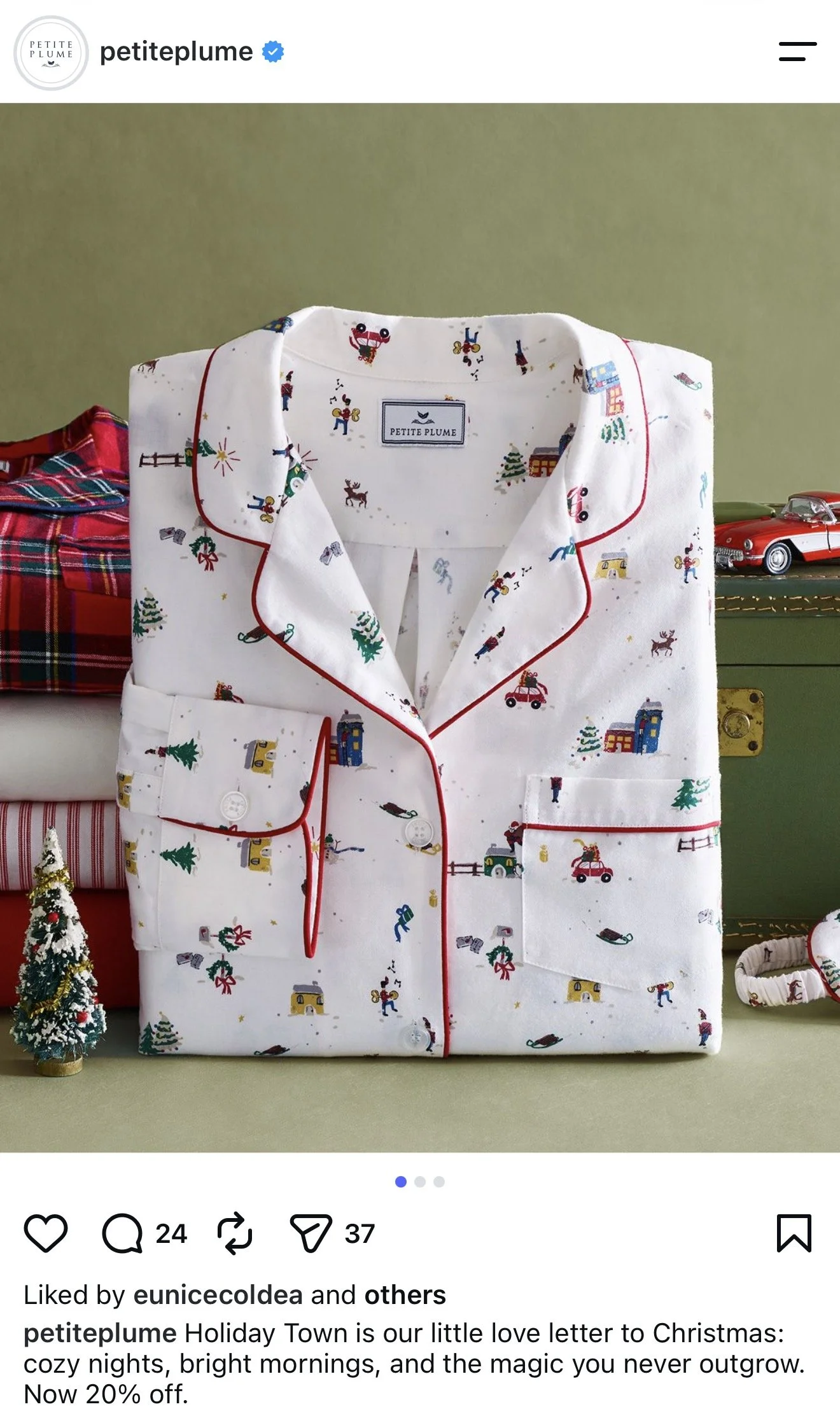
HOW TO PASS IT:
Lead your subject lines, captions and ads with the reason to choose you, and let the offer play a supporting role.Give your Black Friday a name and a point of view that sound like your brand, not like the other sales competing for attention.Build the campaign around what makes you different instead of the number.
THE TAKEAWAY:
A discount gets you into the conversation. Winning it takes more.
2. IS THIS DEAL REAL?
Second, shoppers don't take the message at face value. In the same BCG study, only 54% trust advertised prices at year-end sales events, and about one in five actively distrust them. [BCG, 2026]

Constant sales add to it: BCG found that 22% of shoppers planning to spend less or skip the sales believe deals are available all the time anyway.
WHAT DOES THIS MEAN FOR YOU?:
Shoppers are wondering “Is that really a good price, or was it marked up first?” That doubt covers the whole season, so your messaging inherits it until you give shoppers a reason not to.How often you send sale messages is part of the message: a rare sale can look real, and a constant one can read as routine.
example:
Caraa rarely runs promotions during the year, so customers tend to stock up when a sale finally arrives. The brands call Black Friday and Cyber Monday consistently among their strongest campaigns. For 2025 they trimmed their Cyber Week discount from 30% to 25%, and their co-founder said customers have been understanding. [Modern Retail, 2025]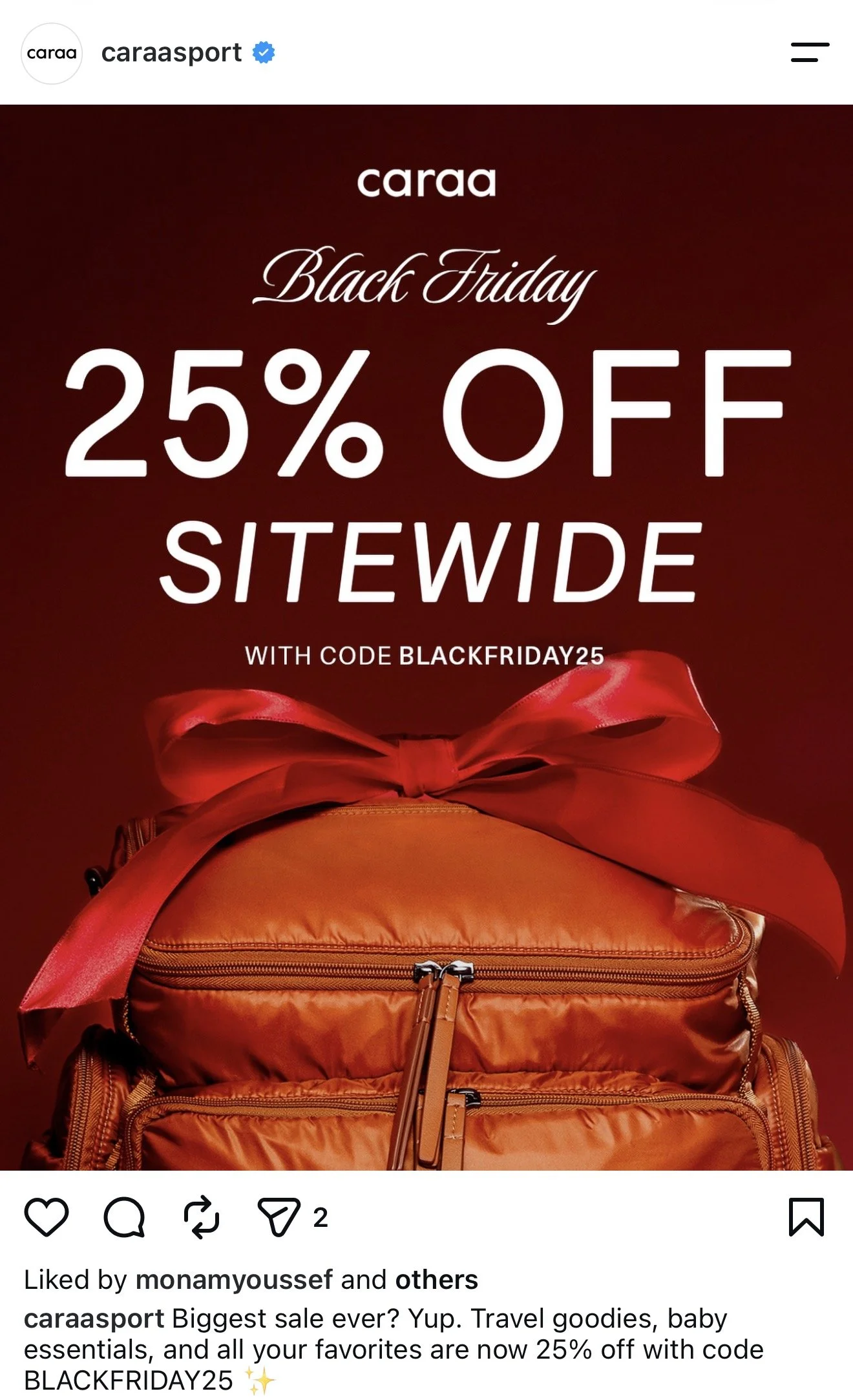
HOW TO PASS IT:
Show the regular price next to the sale price in your ads and emails, and say why this offer exists.Plan your email calendar around fewer, bigger moments, so a sale reads as a sale.Skip countdown clocks and “almost sold out” banners unless they're true, because many shoppers are checking.
THE TAKEAWAY:
Shoppers want a deal, and they want one they can believe.
3. WHY THIS, AND WHY NOW?
Here's what converts now: proof, a reason and the right moment.

Proof comes first: BCG found shoppers trust a deal most when they trust the brand's reputation, returns policy and verified reviews, far more than scarcity banners. [BCG, 2026]

Then a reason: BCG says early access and personalized offers give existing customers a reason to act.

And the moment: 62% of shoppers start looking for deals in October or early November, BCG found, so be ready by then.
WHAT DOES THIS MEAN FOR YOU?:
Shoppers are asking “I could get something like this anywhere. Why this one, and why today?” Your reviews, guarantees and reputation are already answering it, for you or against you, before your first email goes out.Most of this lives in your content, your inbox and your feed, so you can start with the assets you have today.
example:
Avec Les Filles, an outerwear brand, added handbags this year, and two of them sold out at launch. It planned to restock them in the first week of November for the shoppers on its wait list. It isn't planning a blanket sale, just a shop with incentives for the sales weekend. [Glossy, 2026]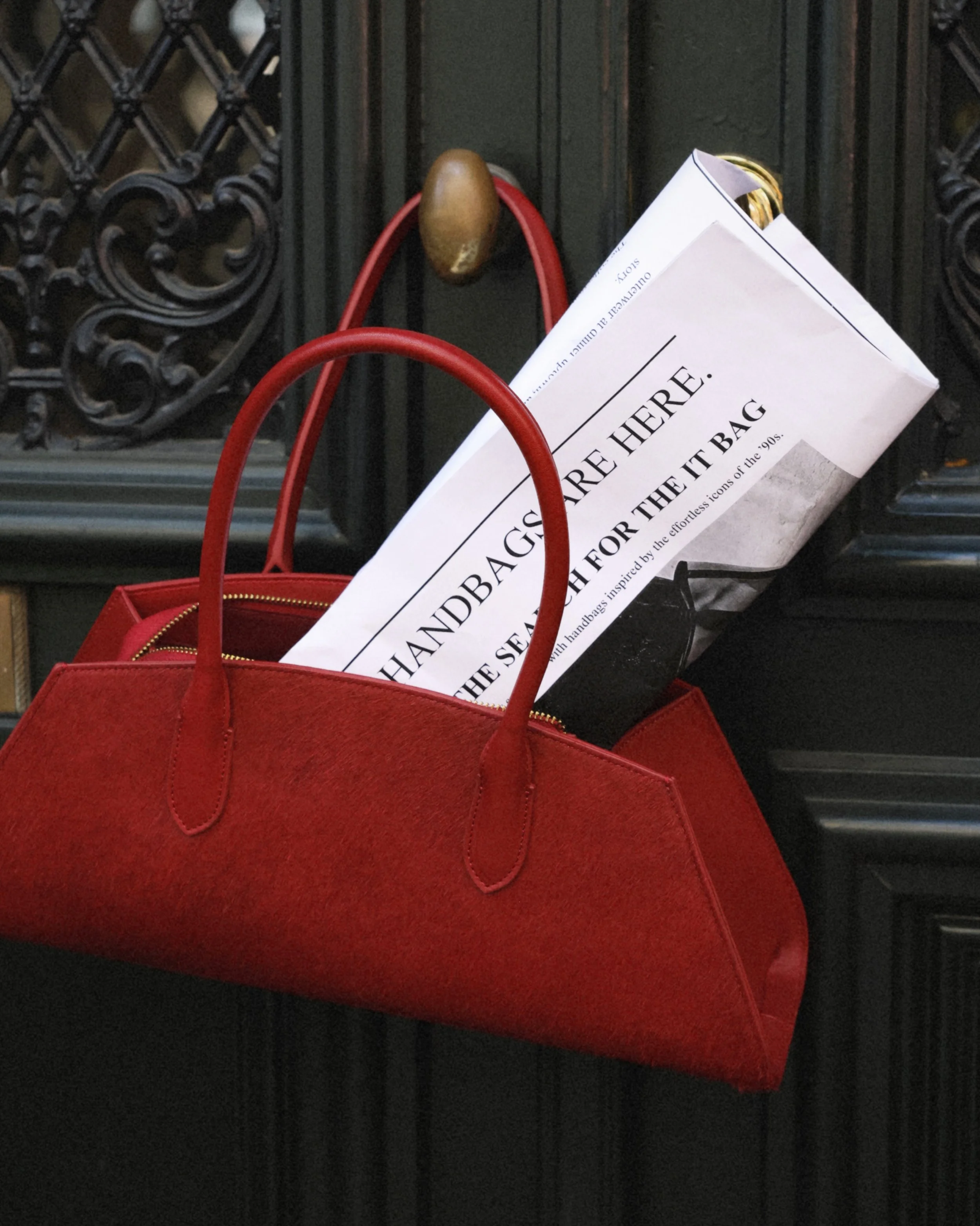
HOW TO PASS IT:
Put verified reviews, real customer photos and your return policy beside the buy button, and collect new reviews and photos after every order.Give your best customers early access to the offer, and attach a reason beyond the price: a limited run, a member perk or a restock list.Warm up your audience with one message about what's coming, on social and in the inbox, so your offer lands on people who already know you.
THE TAKEAWAY:
A bigger percentage may not do what proof, a good reason and good timing can.
FREQUENTLY ASKED QUESTIONS
What should our Black Friday emails lead with?
Why you're worth choosing, with the offer as the supporting detail. A percentage alone can blend into the other subject lines people see that day, so give them something to remember.When should Black Friday marketing start?
Earlier than the week of, since deals now begin well before the big weekend. Start with your email list and the reviews you already have, then build the offer around them.How can a small brand stand out on social during Black Friday?
Show proof and personality instead of repeating the sale. Photos from real customers and a distinct voice give shoppers something to believe, which a discount graphic alone may not offer.
Here's a quick gut check before you hit send: finish the sentence "Buy this from us because..." without using the word discount.
If you can, you're ready. If you can't, start there.