“MADE BY HUMANS” IS BECOMING A REAL SELLING POINT

Yes, AI is everywhere. Faster tools, cleaner visuals, smarter automation. But at the same time, something else is happening. Audiences are pushing back. They are tired of content that looks flawless but feels empty.

After moments like this year’s Super Bowl and its halftime show, plus the rise of pop-ups, live drops, and in-person brand experiences, the message is clear. People are craving culture, presence, and things that feel made by real humans, not systems.

In a world full of perfect content, humanity has become the differentiator.

Here is why “made by humans” is no longer a nice-to-have, but a real growth strategy.
1. PERFECT CONTENT CREATES DISTANCE
AI has raised the bar for speed and polish, but it has also flattened the internet. When everything looks smooth, clean, and optimized, nothing feels personal.

Audiences are getting very good at spotting content that feels generated, templated, or emotionally neutral. And when they do, trust drops fast.

That is why brands leaning into real process, real people, and visible imperfections are standing out again.
Try this;
Share behind-the-scenes moments instead of only final results.Leave in small imperfections that show real effort and process.Let real voices speak, even if they are not perfectly scripted.
example;
Polaroid has doubled down on the idea that life cannot be automated. Their recent campaigns focus on unfiltered moments, imperfect photos, and real-life texture. In a sea of digital perfection, they position themselves as the opposite. Tangible, emotional, human.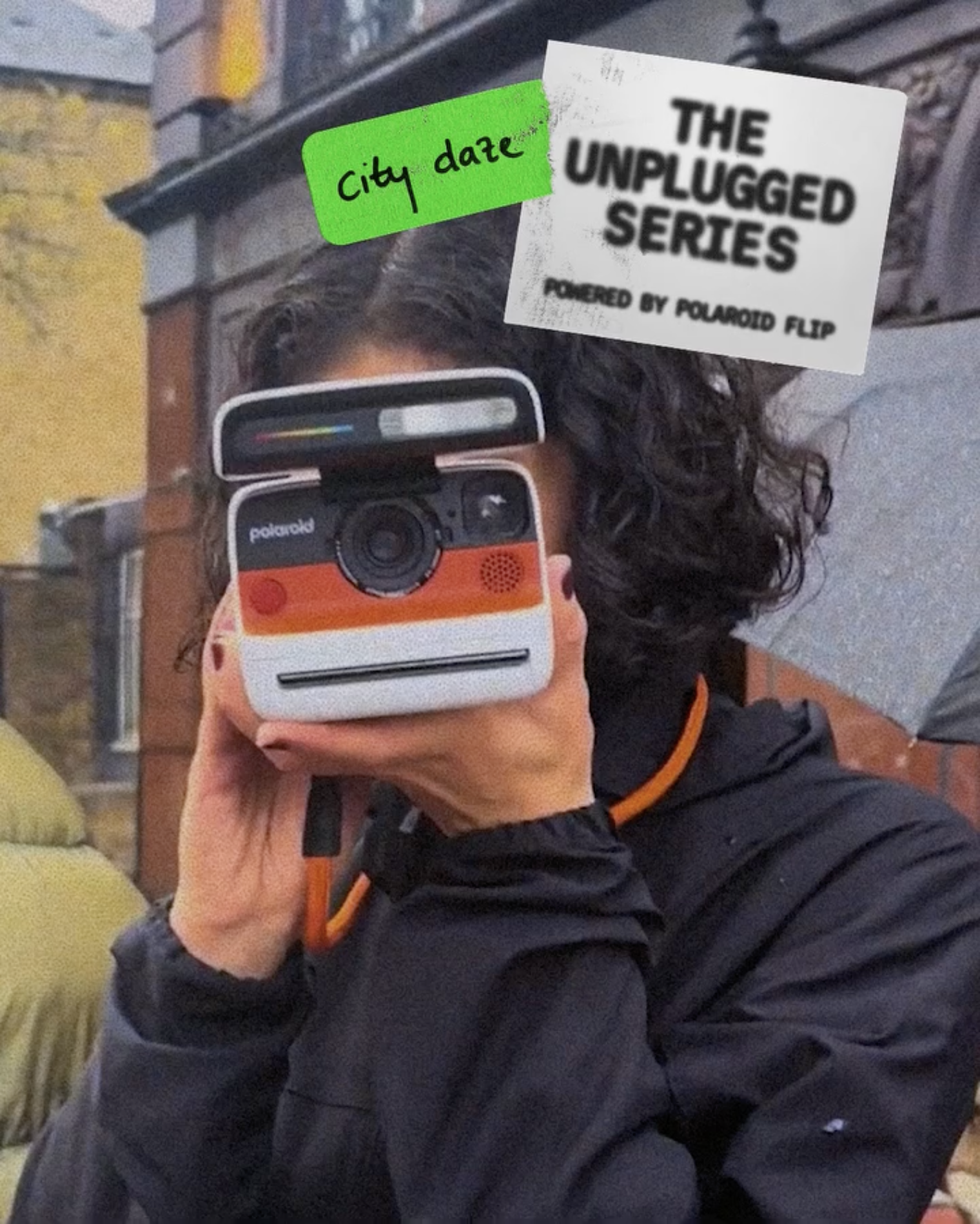
THE TAKEAWAY;
When content feels too perfect, people scroll. When it feels human, they stay.2. CULTURE IS MOVING BACK TO REAL EXPERIENCES
The shift is not only happening online. We are seeing a major spike in pop-ups, immersive brand moments, live activations, and physical experiences. People want to feel something again.

Even large cultural moments are reflecting this. Recent halftime shows, fashion weeks, and brand launches are leaning more into raw performance, presence, and emotion rather than heavy digital effects.

This is not anti-technology. It is pro-connection.
Try this;
Translate real-world moments into your content, not just polished visuals.Show your brand in motion, in spaces, with people interacting.If possible, build small in-person moments and document them honestly.
example;
Heineken continues to frame real-world connection as its core value. Their recent campaigns highlight physical spaces, shared moments, and being present with others. In a hyper-digital world, they sell what AI cannot recreate. Real human interaction.THE TAKEAWAY;
Brands that feel lived-in and present feel more trustworthy than brands that only exist on screens.3. IMPERFECTION IS BECOMING A SIGNAL OF CREDIBILITY
In a feed full of hyper-clean visuals and algorithm-perfect edits, a bit of roughness now reads as intention, not mistake.

More brands are choosing visuals that feel edited by a human, not smoothed by a system. Grain, shadows, imperfect framing, and moments that feel slightly unfinished are becoming a way to say: this was made with taste, not templates.
try this;
Allow texture into your visuals: grain, shadow, movement, or imperfect crops.Make creative decisions that prioritise mood over polish.Edit with intention, not to “fix” everything, but to keep it feeling real.
example;
Saint Laurent’s recent Spring 2026 visuals lean into texture and imperfection. The lighting feels raw, the framing slightly off, and the overall mood resists that overly polished, AI-slick look flooding social feeds. It feels deliberate and human, like someone made creative choices instead of optimizing for perfection. That restraint makes the campaign feel more cinematic, more emotional, and harder to replicate with automation.THE TAKEAWAY;
When perfection becomes the norm, imperfection becomes a differentiator. Visuals that feel human-edited signal taste, credibility, and creative confidence.“Made by humans” is not a trend. It is a reaction.
As AI continues to scale content faster than ever, humanity becomes the signal people look for when deciding who to trust, follow, and buy from.
The brands growing in 2026 are not rejecting AI. They are using it behind the scenes, while putting real people, real stories, and real moments front and centre.
Use AI for efficiency.
Use humans for connection.
Because the most powerful thing your brand can offer right now is not perfection.
It is presence.