BRANDS MADE YOU ANGRY ON PURPOSE – THE RISE OF RAGE-BAIT MARKETING
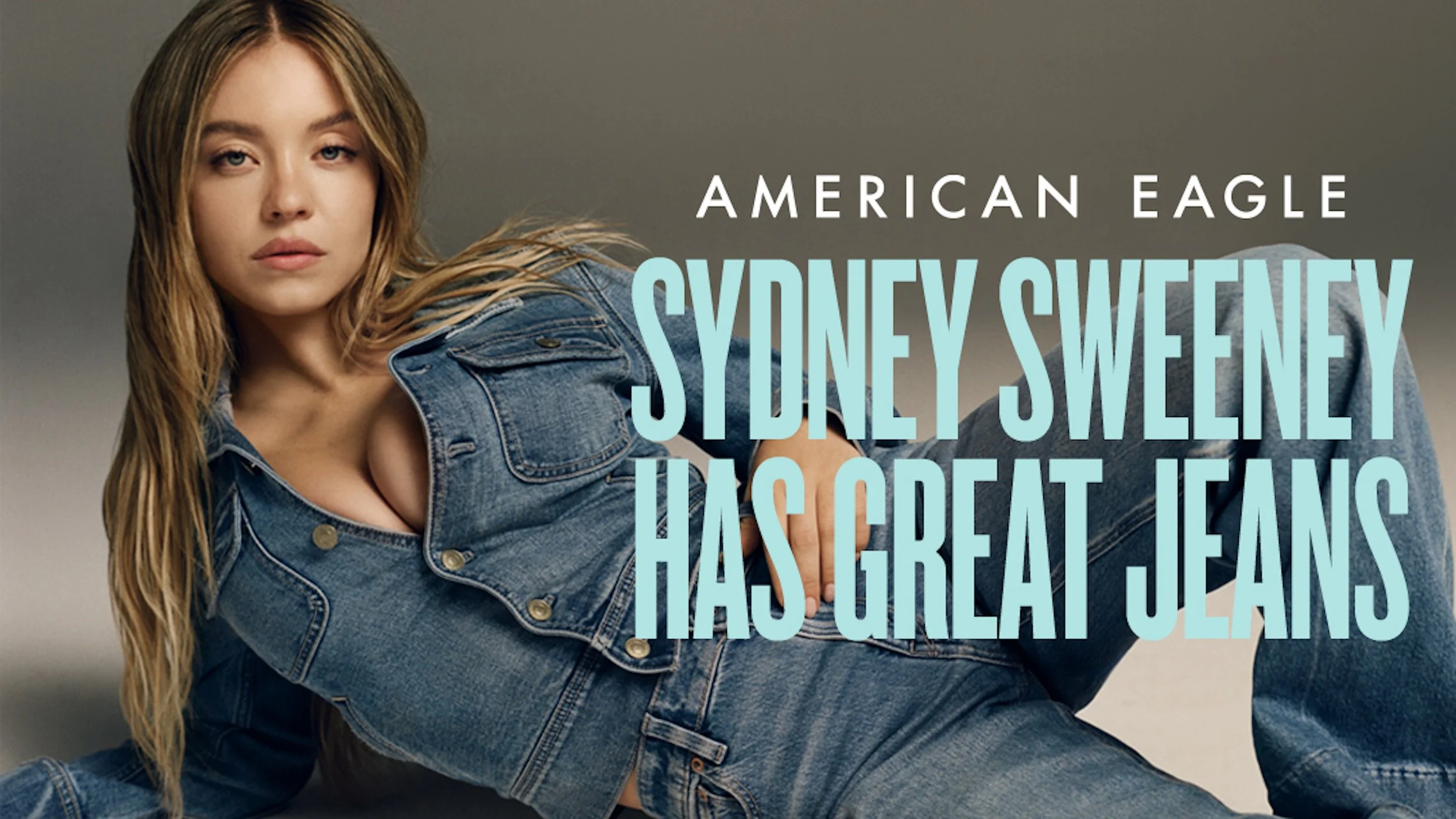
American Eagle ran an ad people called offensive. Their stock went up 24% in a week. Skims sparked a body image debate overnight. E.l.f. partnered with a controversial comedian and watched the internet do the rest.

None of them stumbled into controversy. They walked toward it on purpose.

Rage-bait was Oxford's Word of the Year for 2025. Its usage tripled in twelve months. The brands behind it are not fringe players. But the viral moments do not show you the full picture, and the brands that did not come out ahead lost a lot more than a news cycle.

Here is what rage-bait actually is, why brands keep reaching for it, and what to know before yours goes anywhere near it.
WHAT RAGE-BAIT MARKETING ACTUALLY IS
Rage-bait is content engineered to provoke. Drop something divisive, let the internet react, watch the reach climb for free. A double-meaning tagline, a controversial partnership, a product description that sparks a debate. The outrage becomes the distribution.

Algorithms reward engagement regardless of whether it is positive or negative. Angry people share at twice the rate of happy ones. Brands noticed, and some started using it deliberately.
Rage-bait vs. bold marketing
Not every campaign that upsets people is rage-bait. Some brands take a genuine stance and accept that not everyone will be on board. That is conviction.

Rage-bait is different. The goal is the reaction itself, not a real point of view. Most audiences can feel the difference straight away.
E.G. SKIMS FACE HEADBAND
THE TAKEAWAY;
Rage-bait gets attention. Attention is not the same as trust, and trust is what actually converts.
WHY BRANDS KEEP DOING IT
Organic reach is shrinking and ad costs are climbing. Controversy still spreads for free.

When American Eagle's Sydney Sweeney campaign ran, it dominated marketing headlines for months without a single paid placement. The backlash did all the distributing.

Social platforms have spent years optimising for engagement without distinguishing between the kind that builds communities and the kind that just spikes cortisol. That environment structurally rewards provocation, and brands chasing reach will keep finding rage-bait near the top of the list.
example;
When Duolingo "killed" its mascot Duo in early 2025, the internet mourned and shared the news everywhere. The brand leaned in, let it run, and brought Duo back. Millions of organic impressions, zero paid spend. It worked because the stunt was absurd rather than harmful, and because Duolingo had enough brand equity that people were genuinely invested. That is the version of this that actually lands.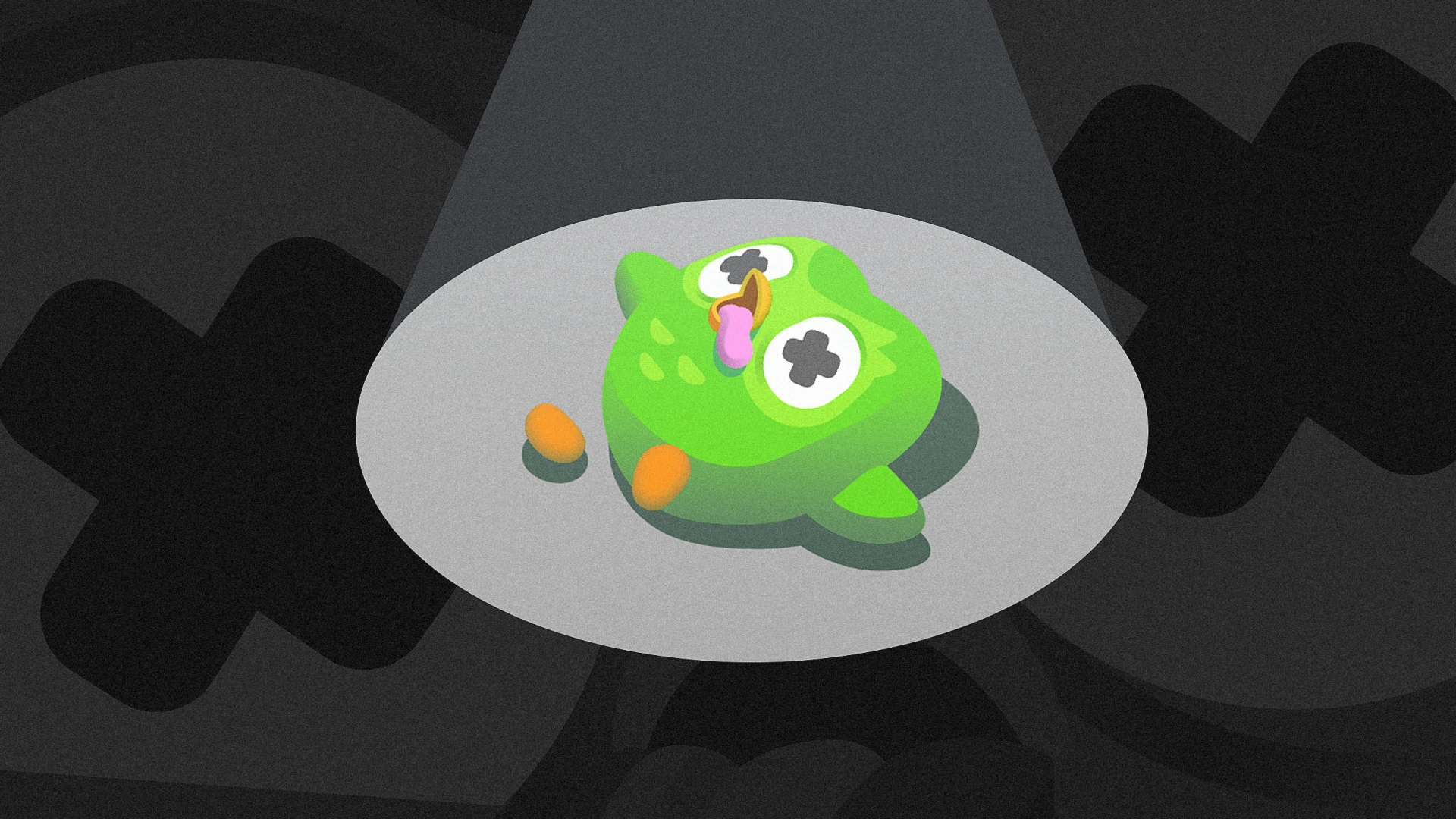
THE TAKEAWAY;
Controversy is free reach. But the cost always shows up somewhere else.WHAT IT ACTUALLY COSTS
The first week of metrics can look incredible. What comes after is harder to celebrate.

American Eagle's campaign drove a short-term stock spike, but by November 2025 their "connection score" had dropped sharply and not recovered. Sales grew 1%, well below the projected 2.1%.

73% of consumers report decreased trust in brands associated with inflammatory content. 76% actively prefer brands that stay out of controversy. That is most of the audience you are trying to convert.

Rage-bait attracts people looking for something to react to, not loyal customers who buy again and tell their friends.

For emerging brands especially, one badly received campaign can define how people remember you before you have had the chance to show them who you actually are.
try this;
Take a stance rooted in what your brand actually believes, not just what will divide peopleMake content that earns a reaction because it is genuinely goodTrack returning customers and emotional resonance alongside reachLet your community do the spreading, that reach compounds over time
THE TAKEAWAY;
Rage-bait can spike your metrics and quietly hollow out your brand at the same time.
THE LINE BETWEEN PROVOCATIVE AND PURPOSEFUL
Bold marketing and rage-bait are not the same thing. Brands that avoid any kind of edge are not playing it safe. They are usually just playing it boring.

The version that works is when a brand has a real point of view, says it clearly, and stays consistent when the pushback comes.

The goal is not to make people angry. The goal is to mean something to the people already aligned with what you stand for.

Emerging brands have something large brands often cannot replicate: genuine authenticity. Audiences forgive a small brand that says something real and imperfect far more readily than a large brand engineering controversy for reach.
try this;
Is this provocative because we genuinely believe it, or because we want the reaction?Would our core customer feel proud to share this, or just entertained by the drama?If this gets called out, do we have a real response ready?Does this build on the trust we have established, or risk it for short-term reach?
THE TAKEAWAY;
Being bold is a strategy. Engineering outrage is a gamble. Know which one you are doing before you hit post.WHAT ACTUALLY BUILDS A BRAND IN 2026
The brands growing sustainably are not dominating controversy headlines. They are building real relationships with a specific audience, consistently.

Gen Z calls brands out in real time and has a sharp instinct for when something feels performed versus real. Authenticity is not optional. It is the filter everything gets run through.

Brands that go viral for making something genuinely good come out of it with customers who actually want to stay. That compounds. Controversy does not.
example;
Glossier built one of the most loyal communities in beauty without a single rage-bait moment. Their content consistently centres their actual customer (real faces, real skin, real language) and their following recommends them without being asked. That community now functions as a marketing channel all on its own.


THE TAKEAWAY;
Going viral for being genuinely good at what you do will always outlast going viral for making people angry.
Rage-bait is real, it is growing, and in certain moments it has driven measurable results. The brands that came out ahead had the brand equity and audience clarity to navigate it carefully. Most of them will tell you they would rather not do it again.

For emerging brands, the play is simpler: know your audience well enough that you do not need to provoke them. Build something worth talking about. Say something you actually mean.

Anger gets a reaction. Trust gets a customer. Only one of those grows your brand.