THE PSYCHOLOGY OF WHY PEOPLE BUY FROM BRANDS THEY FOLLOW ONLINE
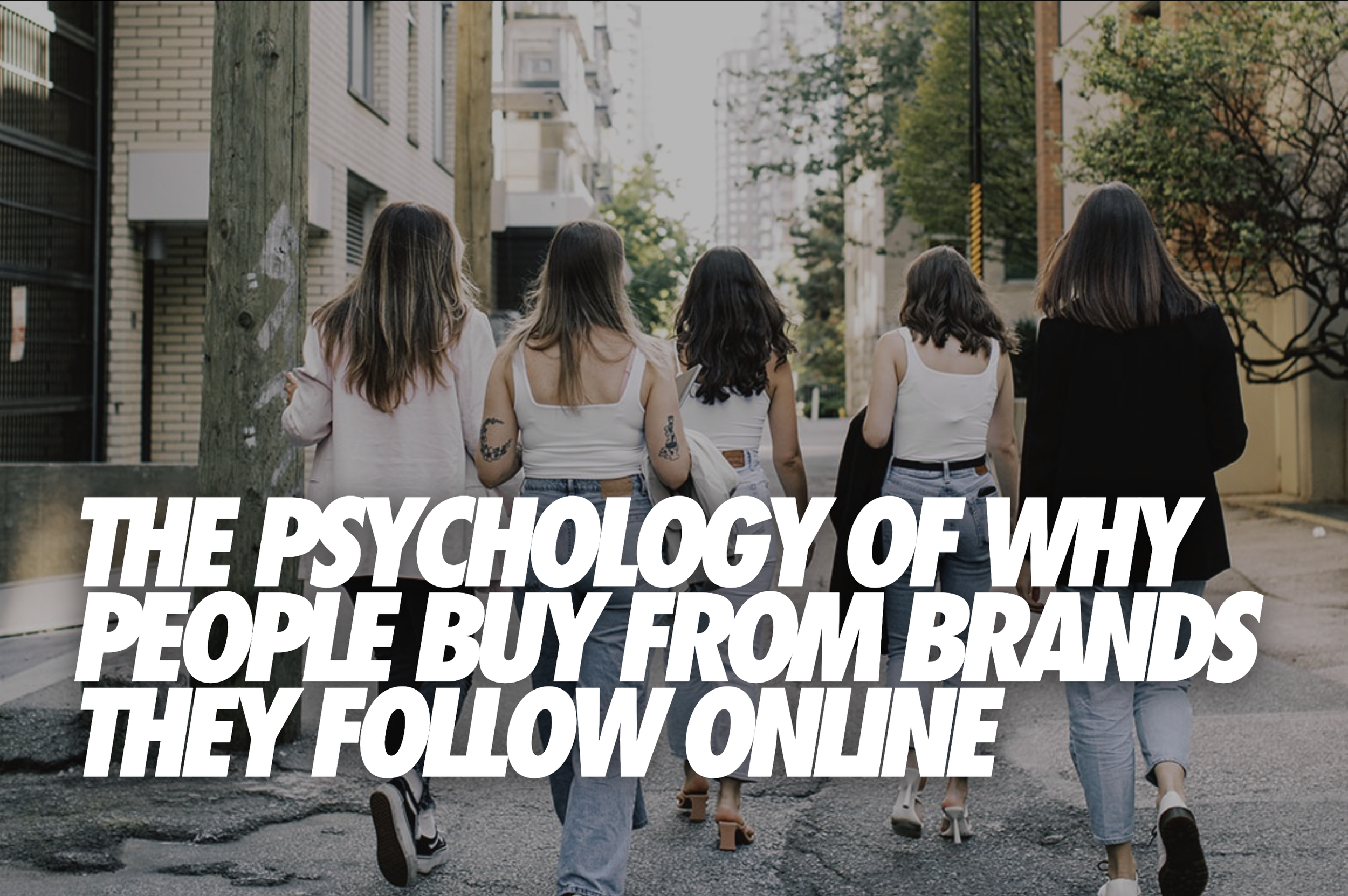
77% of consumers prefer to buy from brands they follow on social media. 76% say they are more likely to choose a brand they feel connected to over one they do not.

Nobody woke up one day and decided to trust a brand because it ran a good ad. The trust came first. The purchase came after. And the content was the invisible path between the two.

Most brands are focused entirely on the moment of conversion. The brands winning right now are focused on everything that happens before it.

Here is the psychology behind why that path works, and how to build it intentionally.
1. FAMILIARITY IS NOT JUST RECOGNITION, IT IS TRUST
It takes five to seven impressions for a consumer to remember a brand. But remembering and trusting are not the same thing.

When a brand shows up consistently, with a recognisable voice and content that feels coherent post to post, the brain stops treating it as unfamiliar. Unfamiliar things carry risk. Familiar things do not.

63% of customers are more willing to buy from familiar brands. 59% prefer buying new products from a brand they already know. That preference is not rational. It is psychological.
Try this;
Audit your last 30 posts for consistency of voice and visual style. If they feel like different brands, your audience is starting from zero every time.Pick three content themes and rotate through them weekly. Repetition is how familiarity compounds.Show up on the same days, in the same formats. Predictability is not boring. It is reassuring.
example;
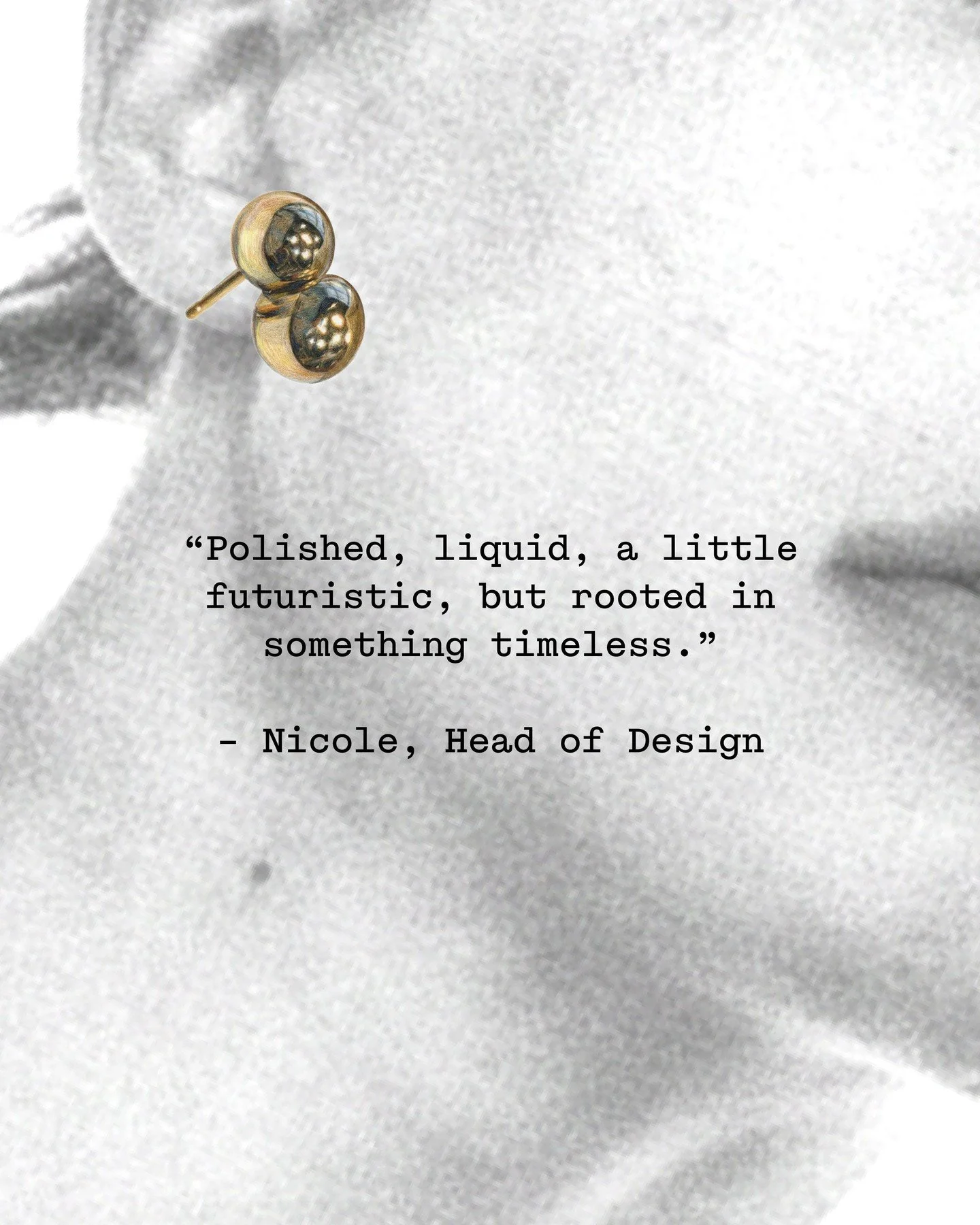
Mejuri was born entirely online, no stores, no traditional ads. It built its audience around one idea: jewellery women buy for themselves. Every post reinforced that belief consistently until the brand felt familiar enough to trust. It passed $100 million in revenue without a single traditional campaign.

THE TAKEAWAY;
People do not buy from brands they remember. They buy from brands they trust. Familiarity builds that trust before the sale ever happens.
2. PEOPLE DO NOT BUY PRODUCTS, THEY BUY THE VERSION OF THEMSELVES THE BRAND REFLECTS
Every purchase is a small act of identity. When someone buys from a brand they follow, they are confirming something about who they are or who they want to become.

Relatable marketing reflects the audience back at themselves. The purchase feels like an affirmation. Aspirational marketing shows them a version of themselves they are reaching toward. The purchase feels like a step forward.

Both trigger the same mechanism: identity alignment. People are extraordinarily loyal to things that reflect who they believe themselves to be.
Try this;
Read your last 20 comments. Are people saying "this is so me" or "I want this"? Those two responses point to completely different strategies.Write down what your product says about the person who uses it, not what it does. That is the identity signal your content should reinforce.Look at the other brands your best customers follow. The pattern tells you the identity they are building for themselves.
example;
Alo Yoga is valued near $10 billion. It sells activewear, but its customers do not think of it that way. Every post reinforces the same signal: this is for people who treat wellness as a lifestyle. Customers naturally create content that looks like Alo content because they identify with the world the brand built. A 2025 LA collab sold out in 72 hours before a single paid ad ran.


THE TAKEAWAY;
People are loyal to brands that reflect who they are or who they want to be. Content that understands that converts. Content that ignores it just fills a feed.
3. THE PATH FROM CONTENT TO CONVERSION IS BUILT ON MICRO-TRUST MOMENTS
No one watches one post and immediately buys. The path from follower to customer is built from dozens of small moments where trust either accumulates or erodes.

A useful post. A human reply. A behind-the-scenes story. A caption that voices something the audience already felt. None of them alone closes a sale. Together, they make the sale feel inevitable.

76% of consumers feel more loyal to brands that reply to comments or DMs, an 8% jump from last year. 77% actively notice whether a brand engages in its own comment section. The comment section is not a support channel. It is a conversion lever.
try this;
Treat every comment reply as a micro-trust deposit. One specific human response does more for conversion than a perfectly written post that goes unanswered.Map your content against the trust journey: awareness, familiarity, belief, desire, action. Most brands only create for the first and last. The middle is where conversion happens.Add one piece of proof per week: a customer result, a behind-the-scenes moment, a detail only someone who made the product would know.
example;
Rhode was acquired for $1 billion in 2025 after three years. Not built on ads. Hailey Bieber shared her routine, replied to comments, and reposted customers for years before the brand hit Sephora. By the time it launched there, the trust was already done. The purchase felt like the natural next step.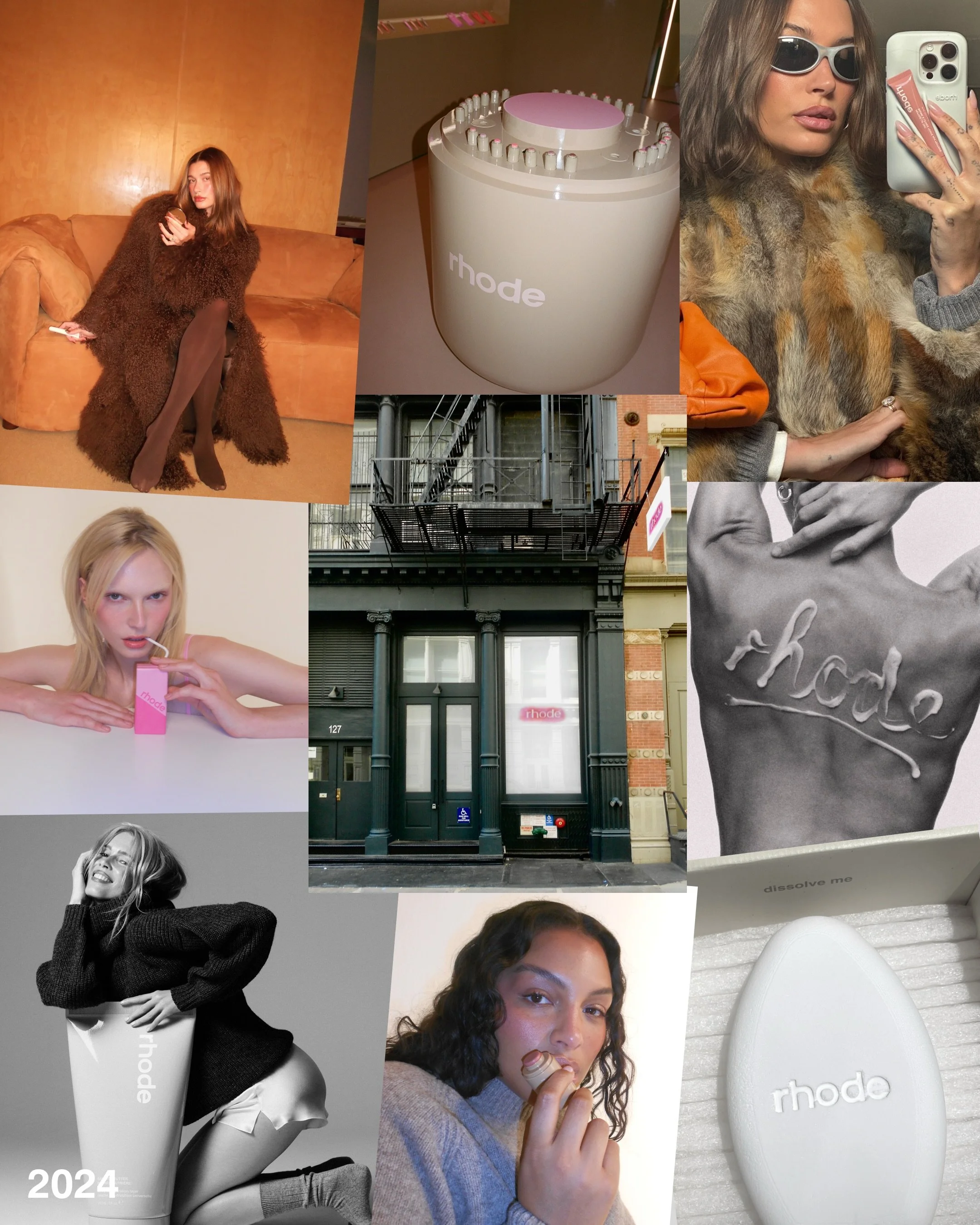


THE TAKEAWAY;
Conversion is not a moment. It is the result of enough micro-trust moments accumulating until buying becomes the obvious thing to do.BONUS: THE BRANDS PEOPLE BUY FROM ARE THE ONES THAT MADE THEM FEEL SOMETHING FIRST
Customers with an emotional connection to a brand have a 2.5 times higher lifetime value. That number is not about the product. It is about what happened in the feed before the purchase.

When content makes someone feel understood, inspired, or seen, the brain registers the brand as safe. Safe brands get chosen when there are ten other options at the same price.
try this;
Before publishing, ask: does this make someone feel anything? Not informed. Feeling something. If the answer is no, it is filling space, not building trust.Identify the one emotion your brand most consistently creates: warmth, aspiration, belonging. Build every content decision around deepening that feeling.Look at your highest-converting posts from the last three months. The emotion they create is your most valuable creative data point.
example;
The Ordinary replaced glamour with transparency. Ingredient names on labels. Honest pricing. No mythology. People felt respected by a brand that treated them like they were smart enough to handle the truth. That feeling built one of the most loyal communities in beauty, organically, without a single celebrity campaign.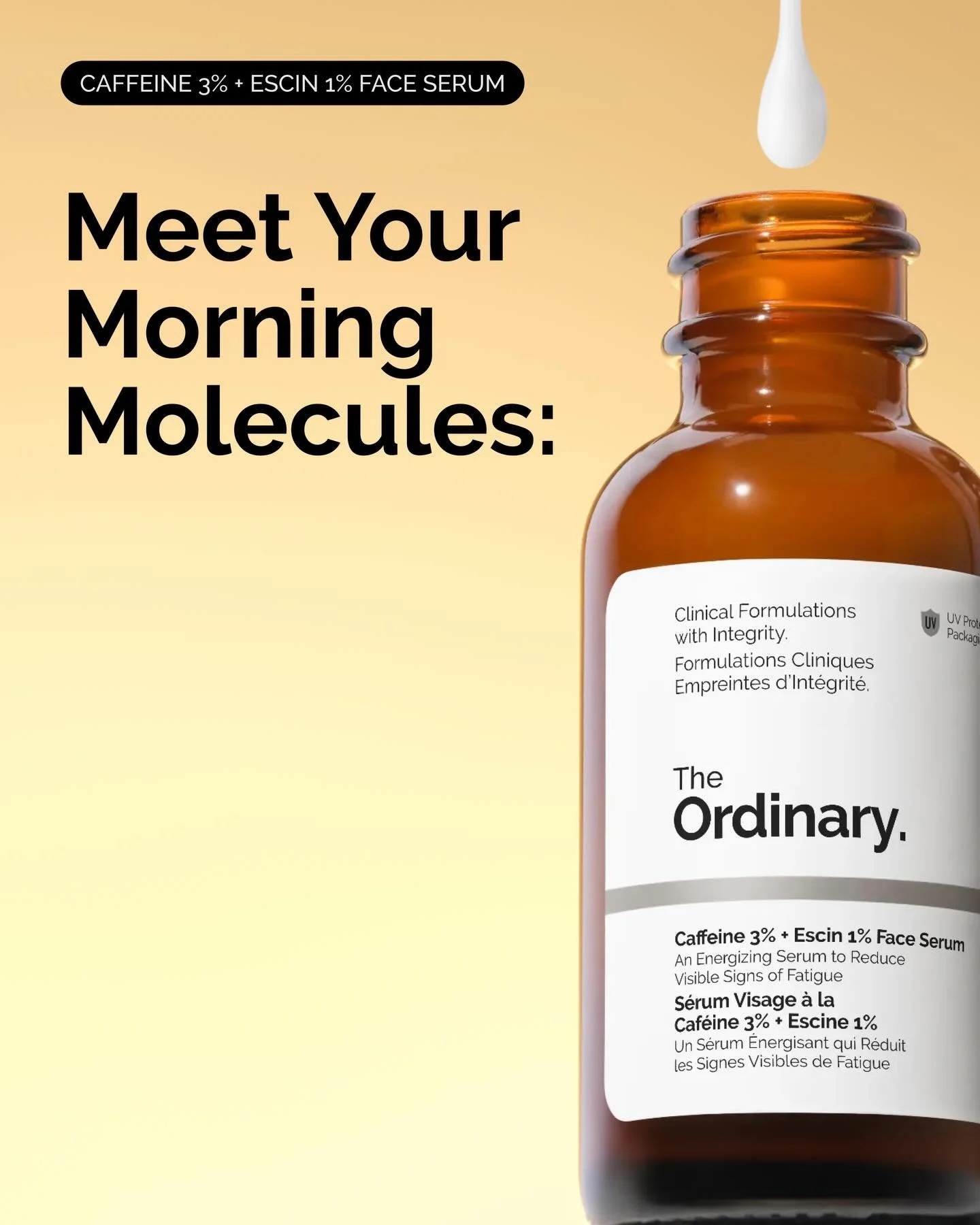

THE TAKEAWAY;
People remember how your brand made them feel long before they remember what you were selling. Build the feeling first. The sale follows.The path from content to conversion is invisible to most brands because they are only looking at the end of it.
Familiarity, identity alignment, micro-trust moments, emotional resonance. These are the mechanics behind every brand people choose without thinking twice.
That is what we help brands build. We are here when you are ready.