THE BEST MARKETING TODAY DOESN’T LOOK LIKE ADVERTISING
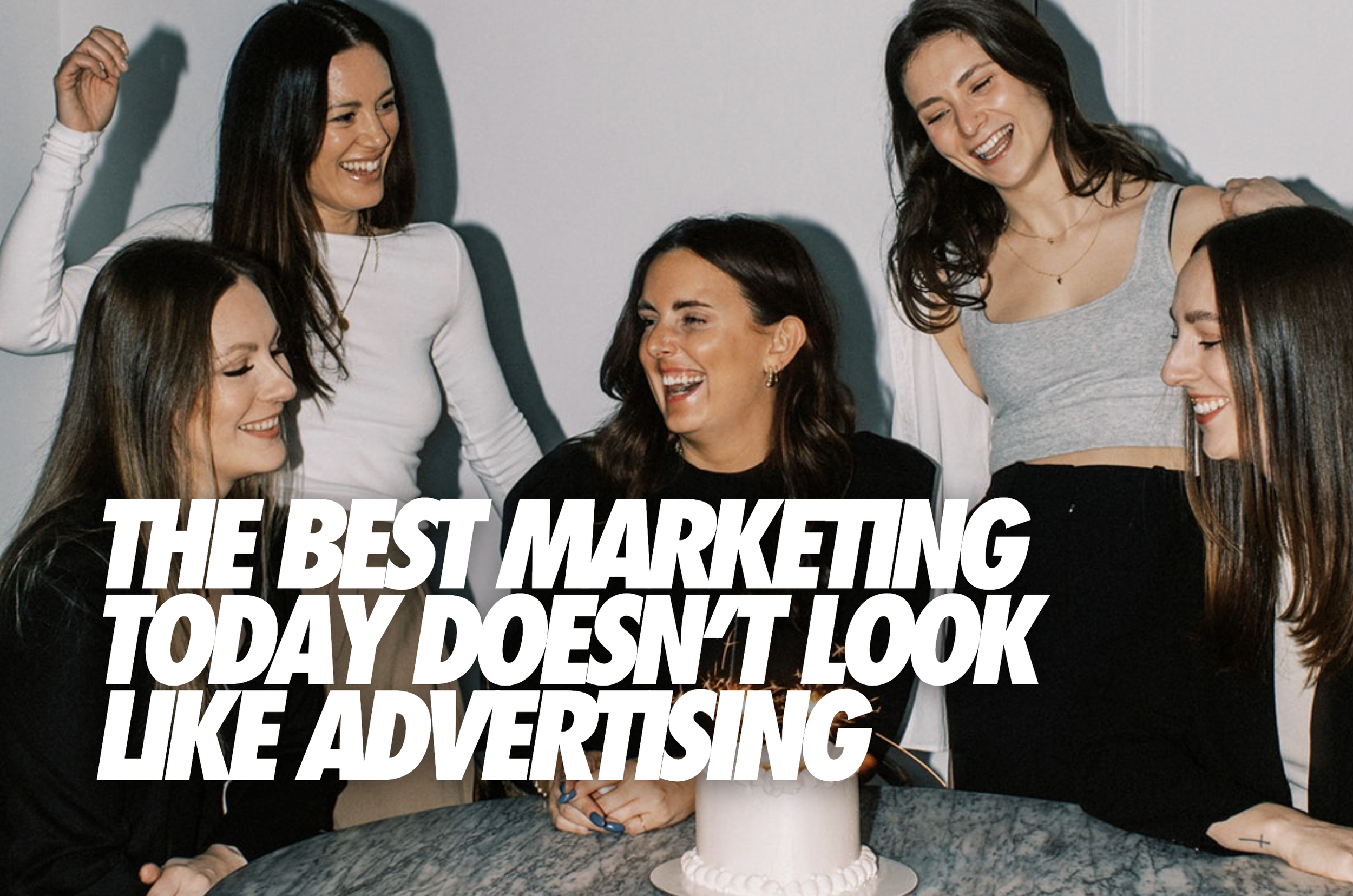
Audiences got smart about marketing faster than marketers got creative. Now polish reads like a red flag instead of a seal of quality.  Ryanair posts a painfully accurate meme about airport behaviour and people flood the comments tagging friends.

Meanwhile, a lot of traditional ads are starting to blur together. Audiences recognise recycled hooks, fake urgency, and overly polished persuasion faster than ever now.

That’s why the brands holding attention today feel less like advertisers, and more like publishers people actually want to follow:
1. PEOPLE RECOGNISE FORMULA FASTER THAN EVER
The internet has become extremely good at spotting templated marketing.

People instantly recognise:
“3 hooks you need”
“You’re doing this wrong”
“Don’t walk, run”
“POV:”

The problem isn’t that these formats never worked. The problem is that audiences have seen them too many times now.

Which means polished execution alone no longer creates attention.

Recognition killed automatic engagement.
Try this;
Audit your content marketing for phrases, hooks, or structures that feel interchangeablePrioritise sharper observations over generic “value”Focus on making social media content feel recognisable to your audience, not optimised for everyone
example;
Ryanair built one of the most recognisable brand voices online by leaning into platform-native humour, self-awareness, and highly specific audience behaviour instead of traditional polished airline advertising.THE TAKEAWAY;
Audiences don’t ignore marketing because it’s marketing.
They ignore it because it feels predictable.
2. THE STRONGEST BRANDS DON’T JUST POST. THEY INTERPRET.
Publishing works because people return for perspective.

The brands winning on social media right now aren’t just reposting trends or summarising industry news. They’re interpreting culture, consumer behaviour, aesthetics, and internet shifts through a lens that feels distinctly theirs.

That’s what creates recognisability over time.

Not random content. Repeated perspective.
Try this;
Stop asking only “what should we post?”Start asking “what do we consistently believe?”Build recurring ideas and observations your audience can associate with your brand identity
example;
Glossier built much of its authority around a specific philosophy of beauty: effortless, real-life beauty over perfection.

That perspective shaped everything from the content strategy to the product positioning itself.
THE TAKEAWAY;
People remember brands that consistently help them see something differently.
3. SPECIFICITY NOW OUTPERFORMS POLISH
Highly polished content is no longer enough on its own.

People scroll past “good marketing” constantly.

What stops them now is specificity:
A detail that feels painfully accurate.
A behaviour they instantly recognise.
A line that sounds like it came from someone actually paying attention.

That’s why broad, interchangeable content performs worse than content rooted in audience insight and cultural awareness.
try this;
Use sharper audience truths instead of broad statementsReference real internet behaviour and cultural patternsRemove generic phrasing that could apply to any brand
example;
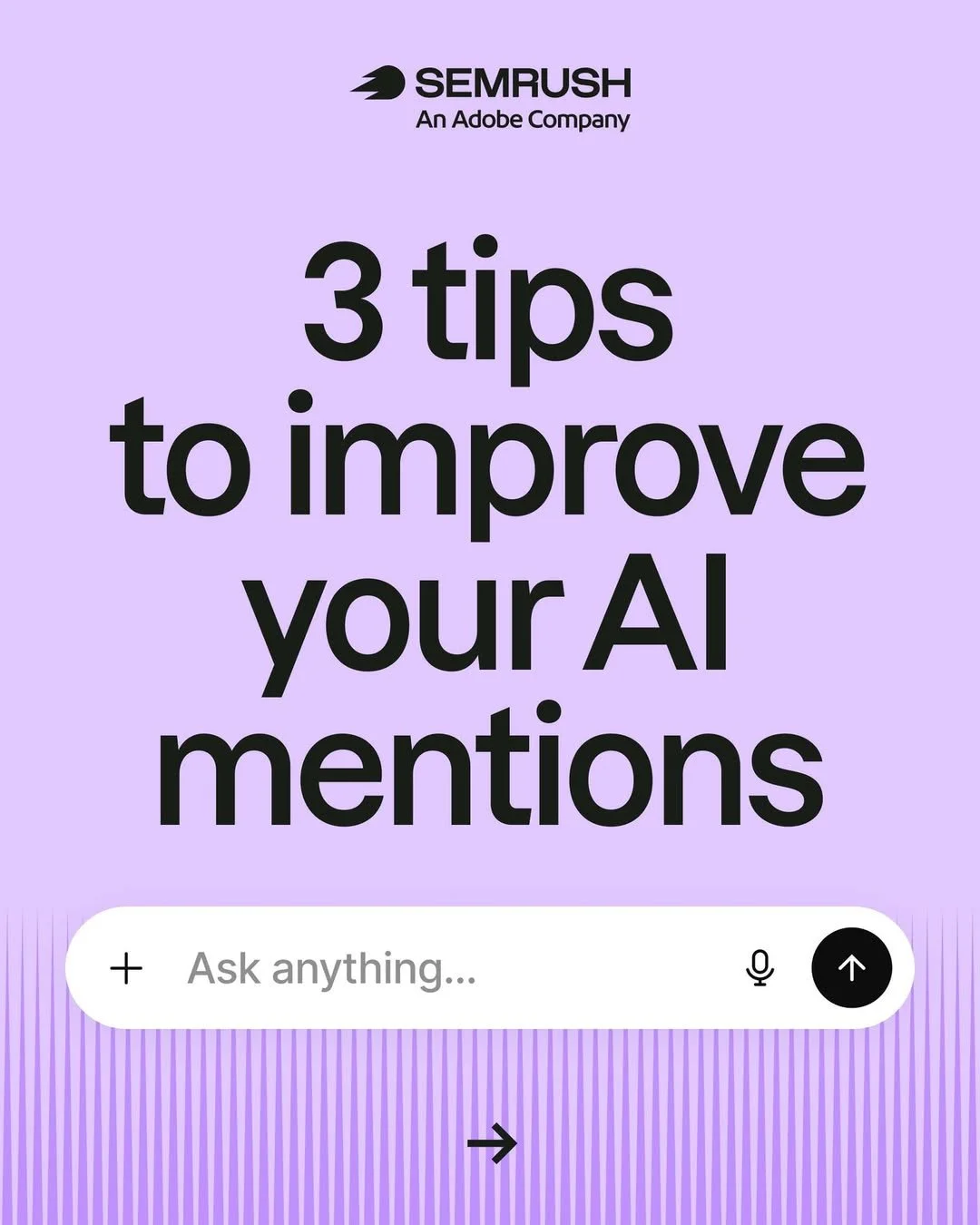
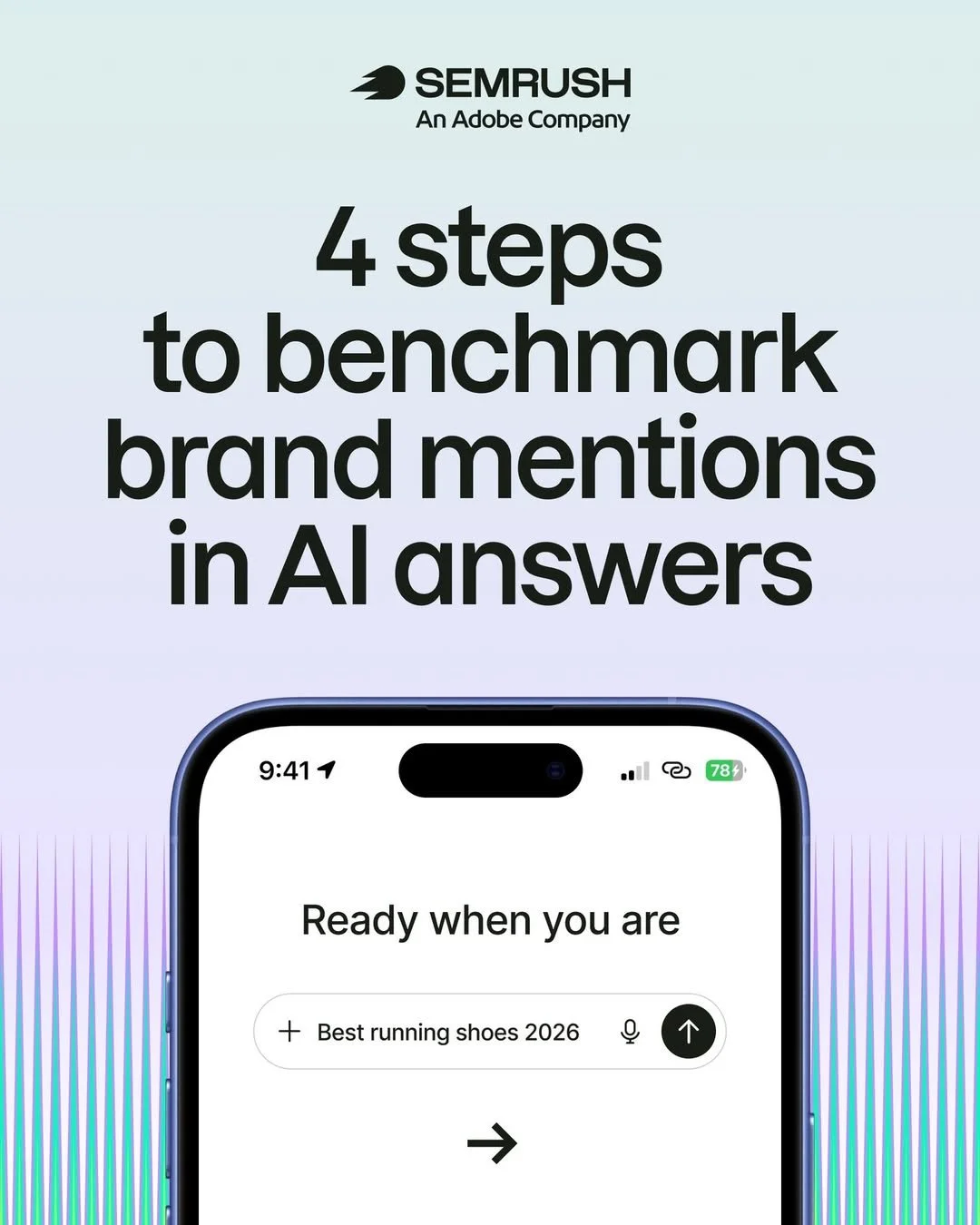
Semrush consistently publishes highly specific marketing insights, search behaviour analysis, and SEO-focused educational content rooted in real audience data instead of broad, generic marketing advice.
THE TAKEAWAY;
Specificity works because it feels observed, not manufactured.
4. SELF-AWARENESS BUILDS MORE TRUST THAN PERFECTION
One of the biggest shifts in digital marketing right now is this:

Audiences trust brands more when the brand understands the audience understands marketing.

That self-awareness changes the interaction completely.

Instead of pretending content is perfectly organic or effortless, strong brands acknowledge the joke, the trend, the format, or the marketing mechanic directly.

Ironically, that honesty makes the content feel more human.
try this;
Acknowledge the format instead of disguising itUse humour around marketing tropes and internet behaviourLet your audience feel included instead of targeted
example;
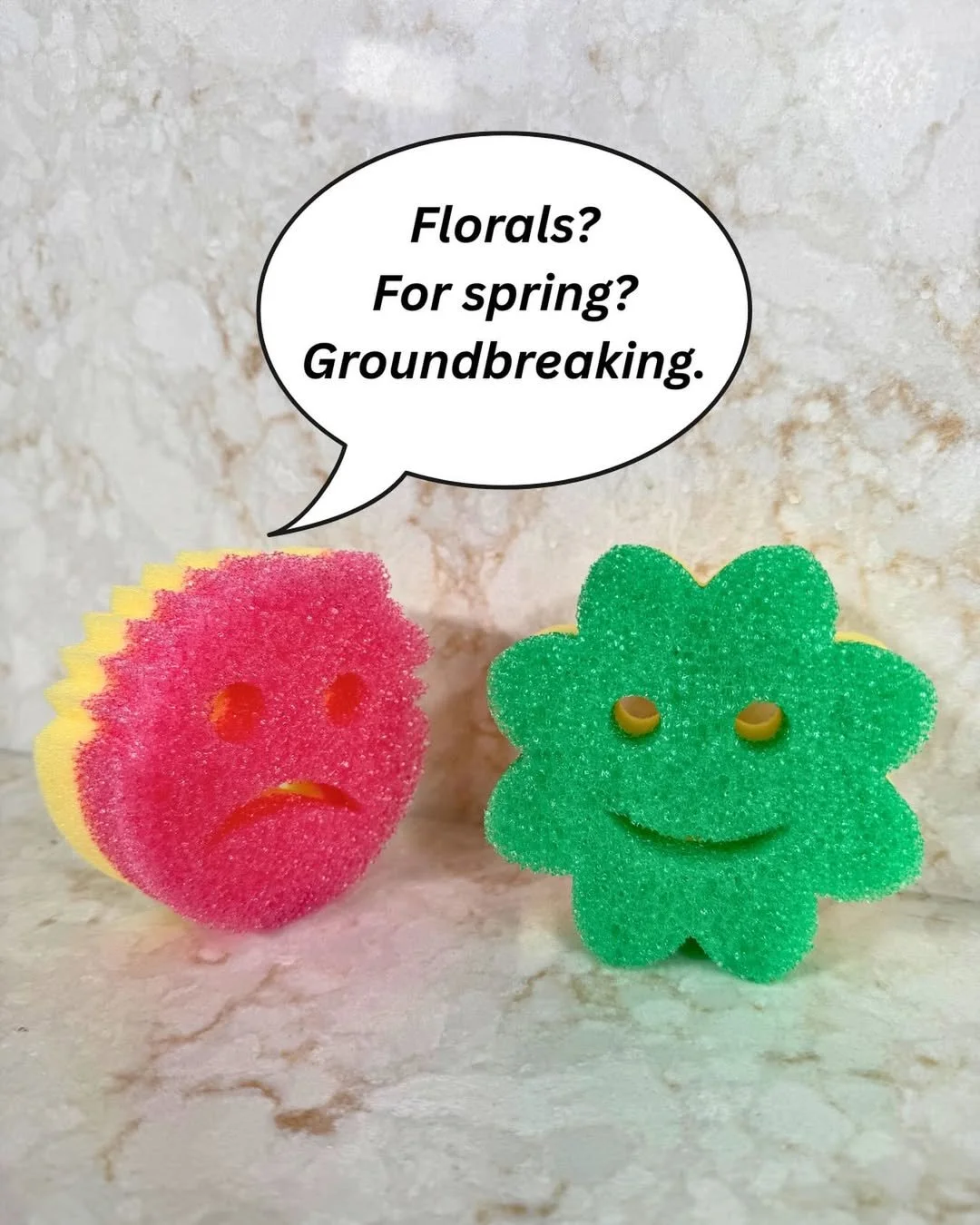
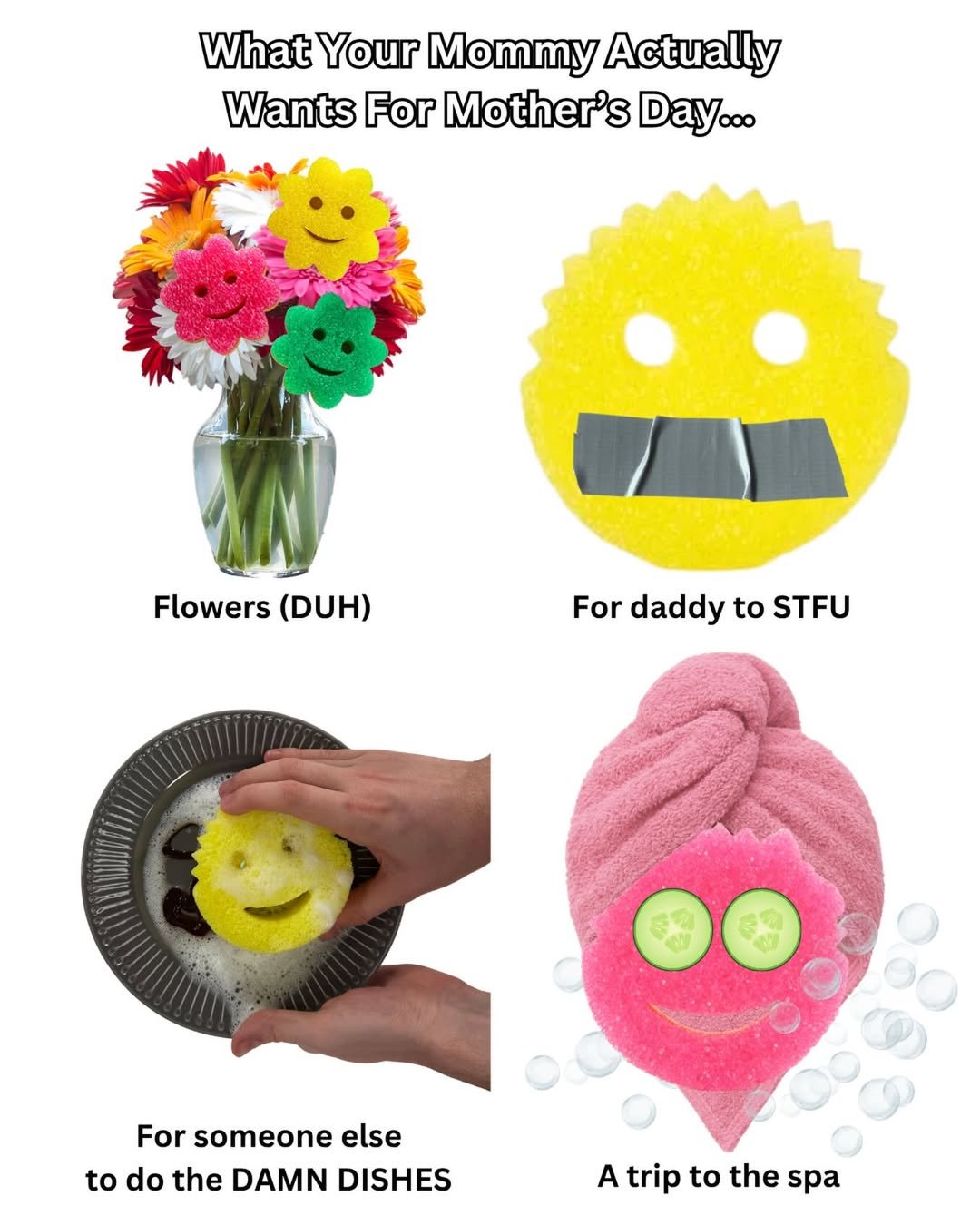
Scrub Daddy regularly leans into exaggerated internet humour, obvious marketing mechanics, and self-aware content styles instead of trying to appear overly polished or corporate.

That awareness is part of what makes the brand feel approachable online.
THE TAKEAWAY;
People trust brands more when they don’t feel manipulated by them.
5. THE BEST MARKETING TODAY CREATES RETURN BEHAVIOUR
Traditional advertising is built for interruption.

Publishing is built for return.

That’s the real difference.

The strongest brands today create content ecosystems people revisit regularly because they expect value, entertainment, perspective, or insight every time they show up.

Over time, that repeated exposure compounds into familiarity, trust, and long-term brand recognition in a way campaigns alone rarely can.
try this;
Think beyond launches and promotionsCreate recurring content people can recognise and anticipateOptimise for long-term attention, not short-term spikes
example;
Refy creates recurring content around routines, tutorials, and minimalist beauty culture in a way that audiences return to regularly, even when they’re not actively shopping.THE TAKEAWAY;
The goal isn’t just reach anymore.
It’s return behaviour.
The brands pulling ahead right now aren’t necessarily the ones with the biggest campaigns or the most polished ads.
They’re the ones creating ongoing value people voluntarily spend time with.
Because once audiences become highly aware of marketing mechanics, execution alone stops being enough.
What matters more now is whether your brand has:
a recognisable perspective,
ideas people remember,
and content people genuinely want to come back for.
That's why the opening shift matters. Audiences didn't stop responding to marketing because it got worse. They stopped responding because they got smarter. The brands winning now aren't trying to outsmart them. They're building something worth their time instead.