WHY YOUR WEBSITE IS KILLING THE FLOW
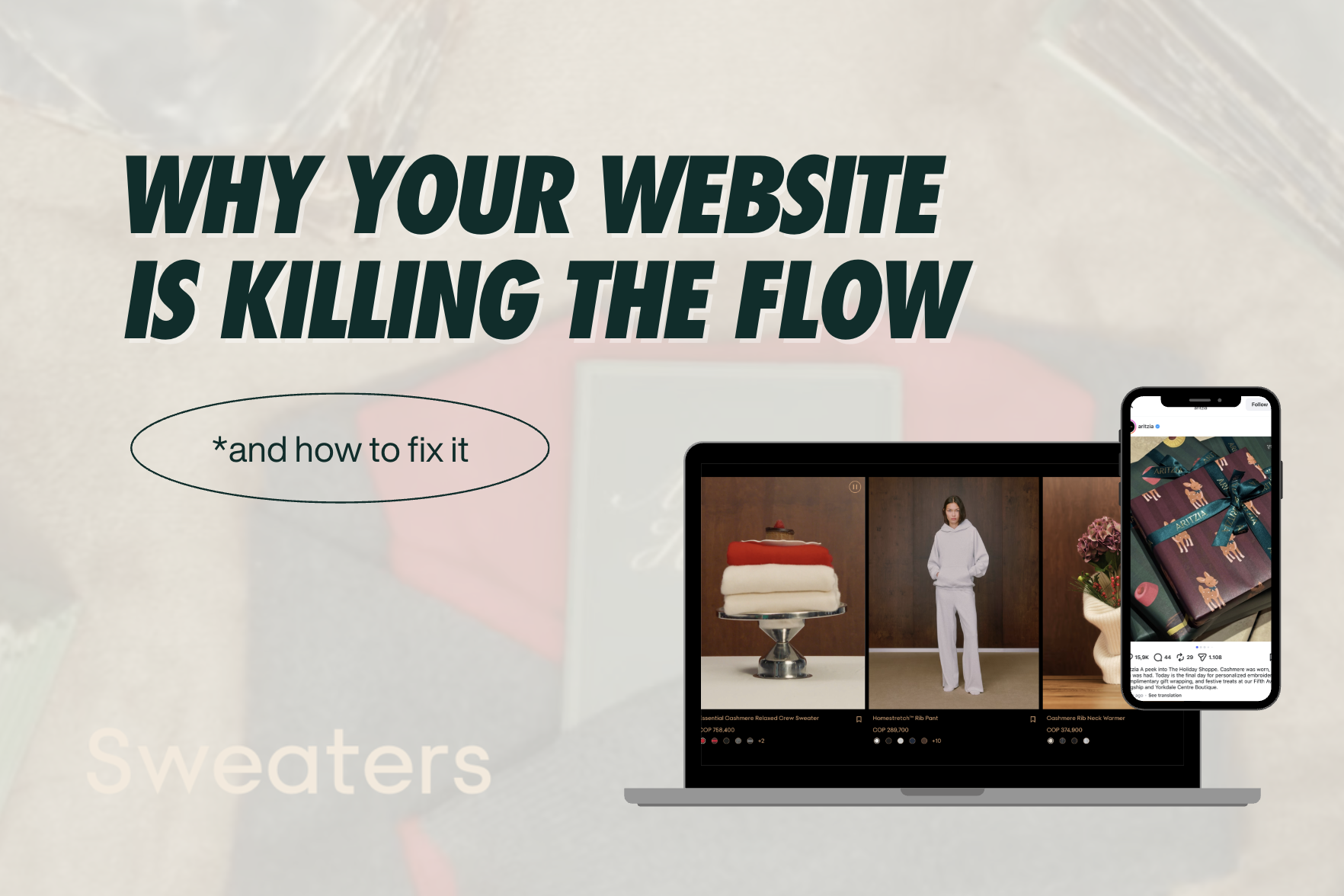
People discover brands in fast, high energy spaces where content feels real, reactive, and always moving. Then they click into a website and suddenly everything slows down.

If your site feels quieter than the way people find you, you are losing interest long before you lose the sale.

Let’s break down what is happening and how to fix it.
1. SOCIALS SETS THE TONE NOW
Social media is the first touchpoint for most shoppers. It is where discovery happens, where creators build credibility, and where people feel that first spark of interest. Everything moves quickly and feels grounded in real reactions, not polished perfection.

The problem starts when users carry that momentum into a website that feels still or overly curated. What once looked premium can now feel disconnected from how people actually shop.

When the energy drops, so does the intent.
Try this;
Audit your main social entry points and make sure your landing pages match the same mood and pace.Bring familiar social cues onto the page, like dynamic visuals, creator content, or short-form video.Keep your messaging as clear, human, and conversational as your captions.
example;
Brands like Gisou carry their social-first look directly into their product pages. The visuals feel lived-in, the content feels recognisable, and the transition from feed to site feels seamless rather than abrupt.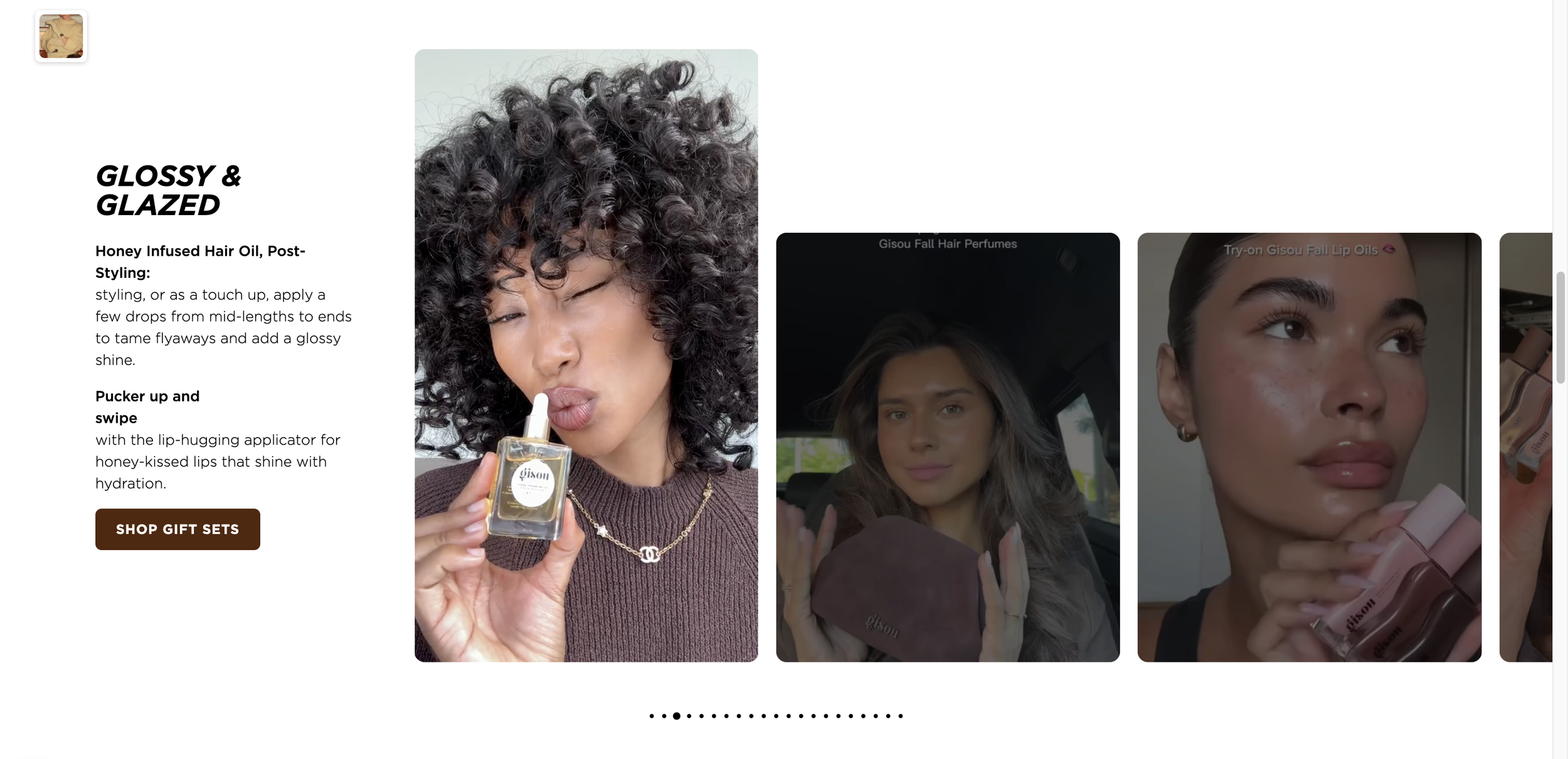
THE TAKEAWAY;
Match the tone of where people discovered you. If the energy disappears, trust usually follows.2. THE MULTI TOUCH JOURNEY IS NOT LINEAR ANYMORE
Today’s shoppers move in loops, not straight lines. They bounce between awareness, reviews, creator opinions, repeat exposure, and comparison before they even think about buying.

Social platforms support this behaviour naturally. Most websites still assume a one-direction path.

Static layouts, perfect photography, and brand-first messaging can feel like stepping out of a lively market into a quiet showroom. That disconnect slows decision-making and increases drop-off.
Try this;
Map your real customer journey and identify where people revisit or hesitate.Add reassurance throughout the site, not just at checkout: reviews, demos, FAQs, UGC, and context.Design for exploration, not pressure. Let people browse, compare, and come back.
example;
Fenty Beauty embraces a non linear journey with its shade finder experience. Users can scan their face on mobile or try shades interactively, making it easier to explore, compare, and feel confident before buying. Try it out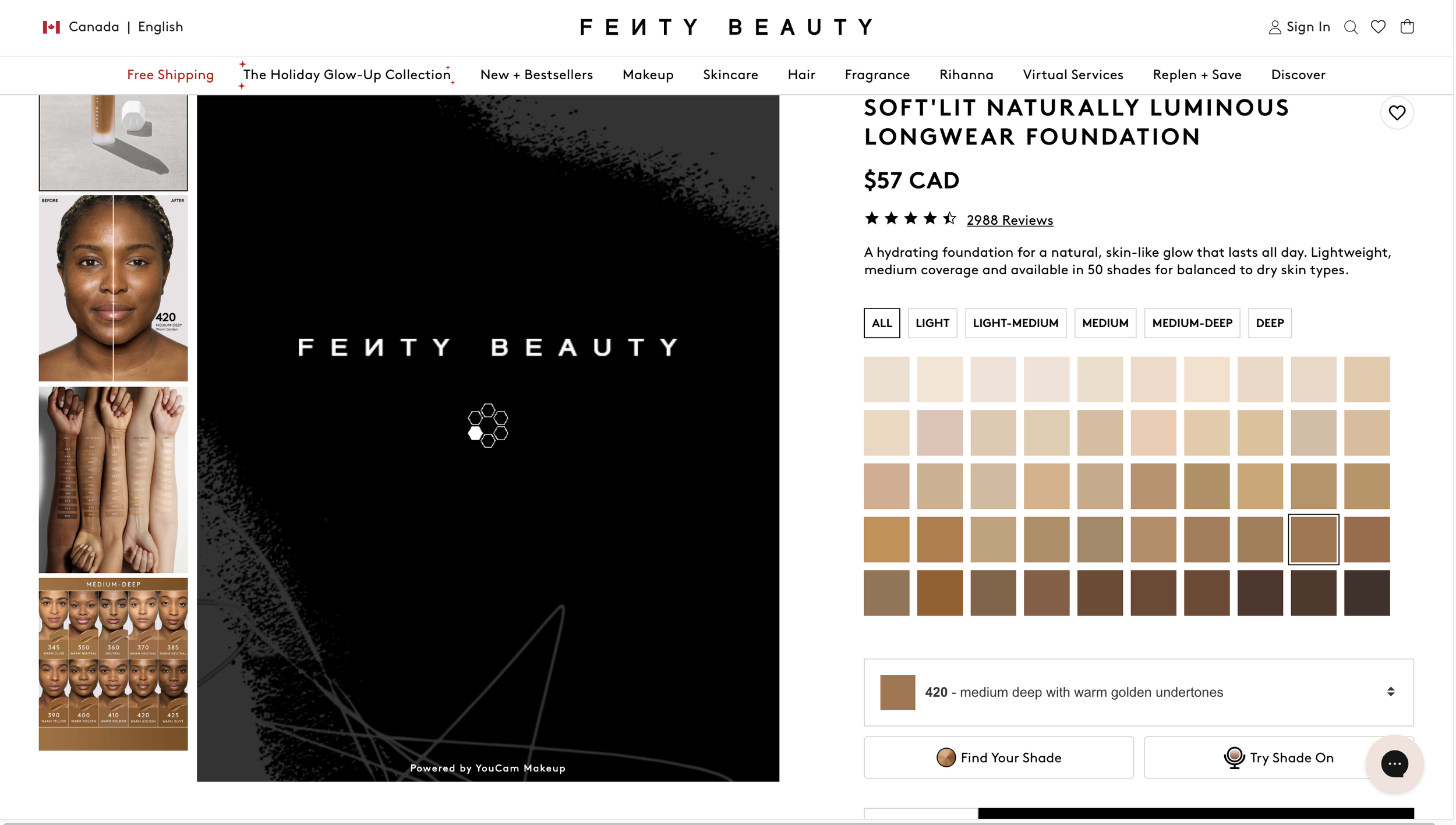
THE TAKEAWAY;
If your website does not reflect how people actually shop, they will assume the product experience will not either.3. MAKING YOUR WEBSITE FEEL ALIVE AND WHY IT MATTERS
If social is fast, expressive, and filled with real voices, your website cannot feel like the opposite. The goal is not to recreate a feed, but to carry that same energy forward so the journey feels natural from discovery to decision.

This is where many brands lose momentum, and where the biggest opportunity lives.
try this;
Lead with real people, not perfection: Let customers and creators speak early. Honest reactions and lived-in visuals build trust faster than studio polish alone.Design for motion and flow: Subtle animations, scroll-driven moments, and looping visuals keep attention moving and prevent the experience from feeling dated.Show products in real life: Context sells. Show how your product fits into everyday routines and familiar moments.Answer questions before they are asked: Reviews, demos, comparisons, and sizing cues reduce hesitation and shorten the path to purchase.Remove anything that slows the experience: Extra clicks, empty sections, or overly polished pages slow momentum and increase doubt.
WHY IT MATTERS;
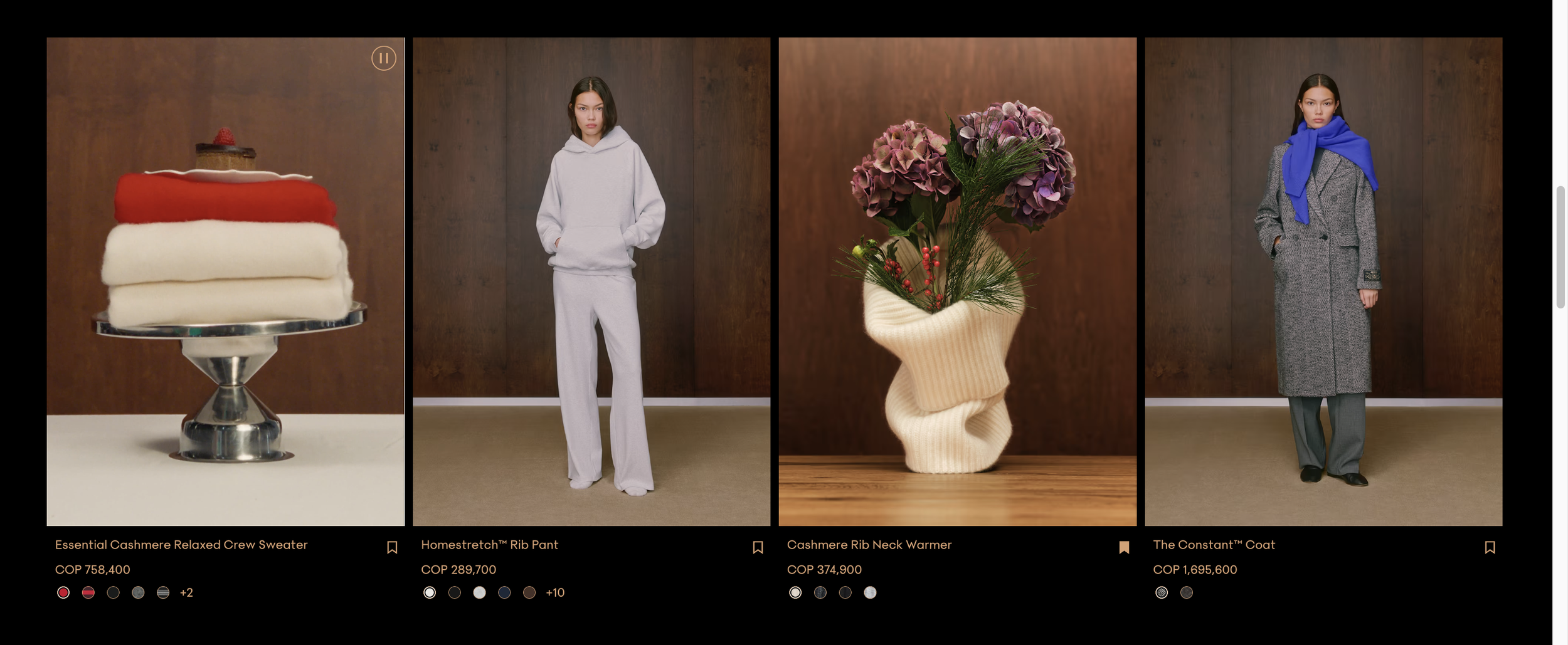
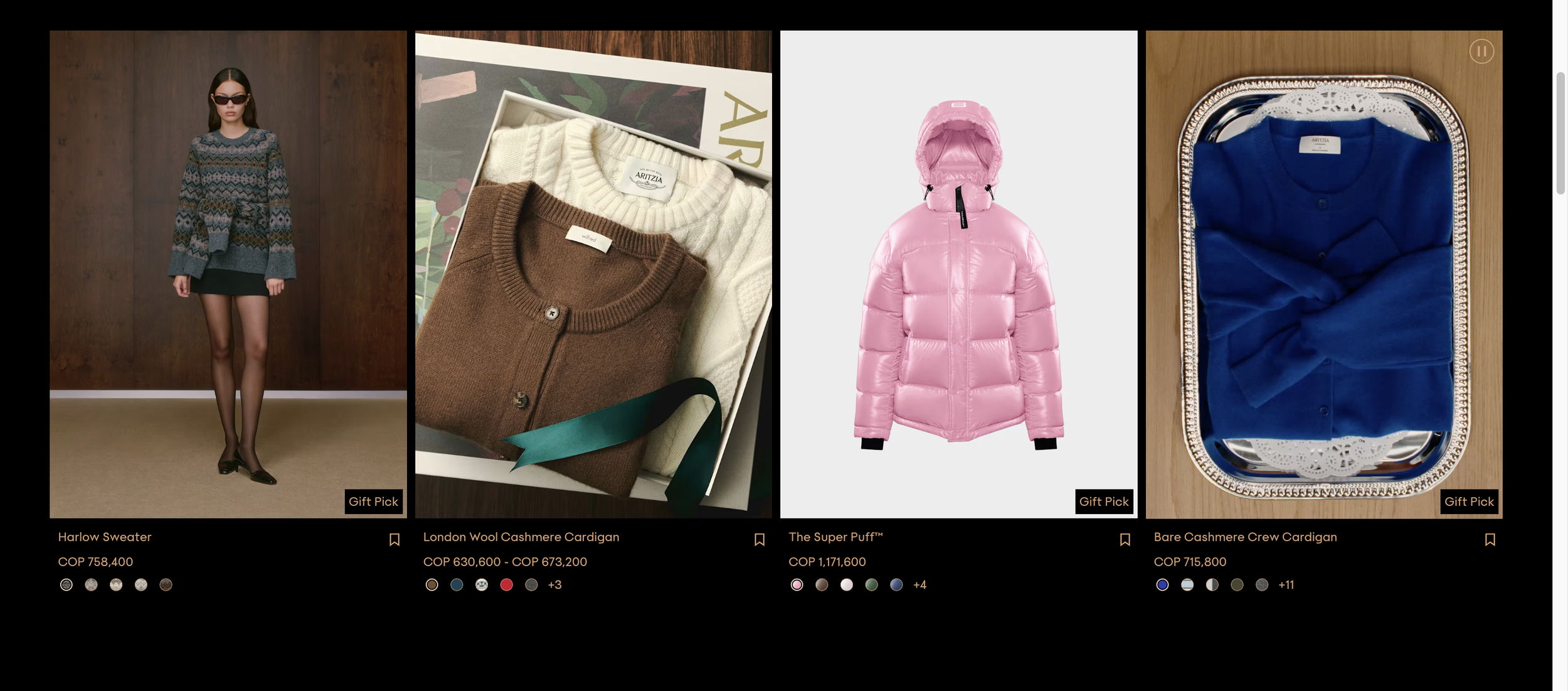
When your website mirrors the pace and personality of your social content, the experience feels continuous. Visitors stay longer, trust builds naturally, and conversion feels like a logical next step rather than a push. Brands like Aritzia use video-led product pages, movement, and styling cues that evolve as you scroll that matches the visuals and vibes from their socials.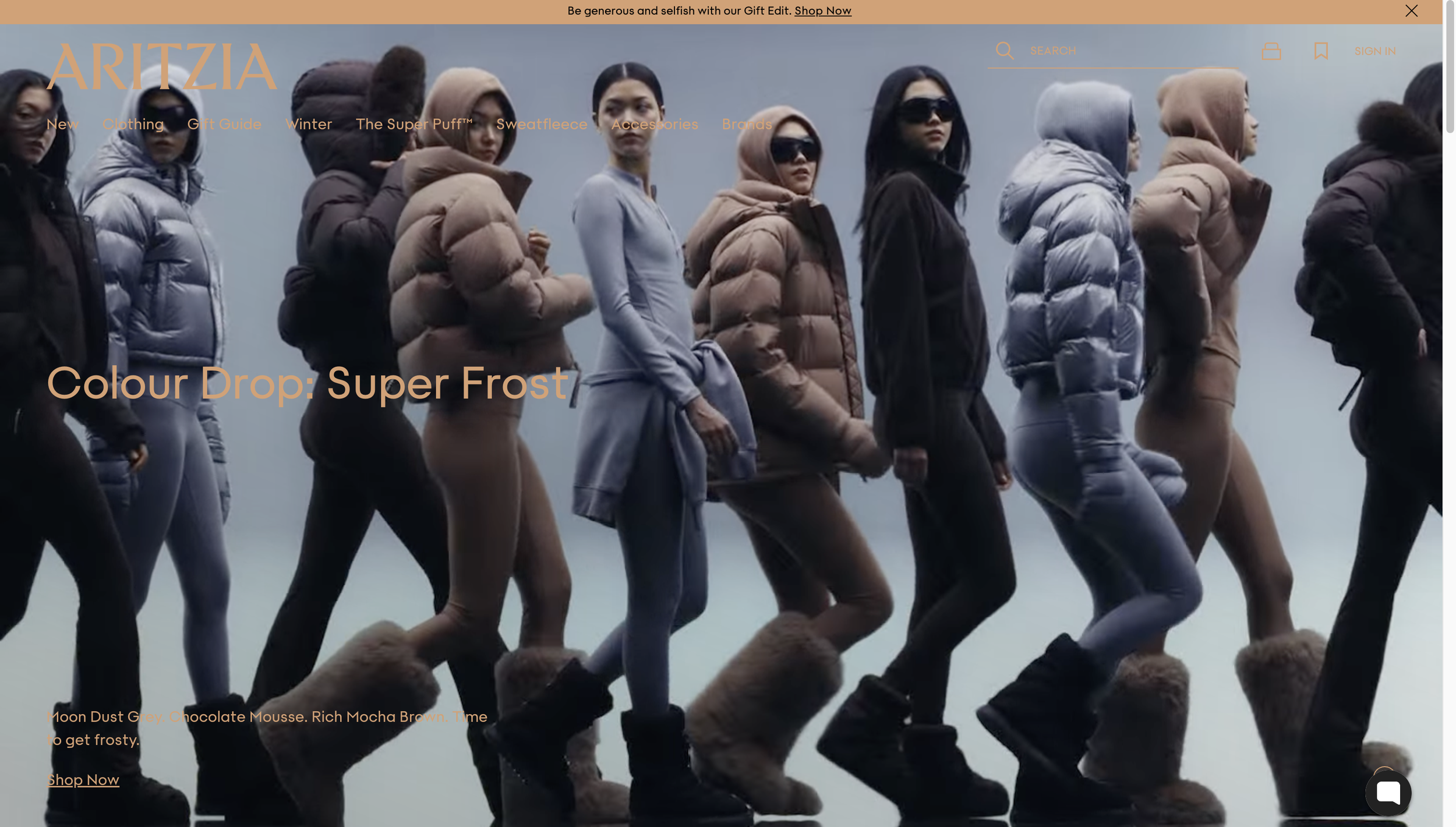

THE TAKEAWAY;
A modern website is not just a destination. It is part of the conversation. Brands that treat their site as a living extension of their social presence consistently outperform those relying on static, outdated formats.
The shift is already here. Social discovery sets the tone, and your website has to move at the same pace.

Modern shoppers expect consistency at every step. When your site mirrors the energy, visuals, and authenticity of social, they feel it instantly.

Make the journey smooth.
Make it cohesive.
Make it feel alive.

Your customers are ready.
Your website just needs to move with them.