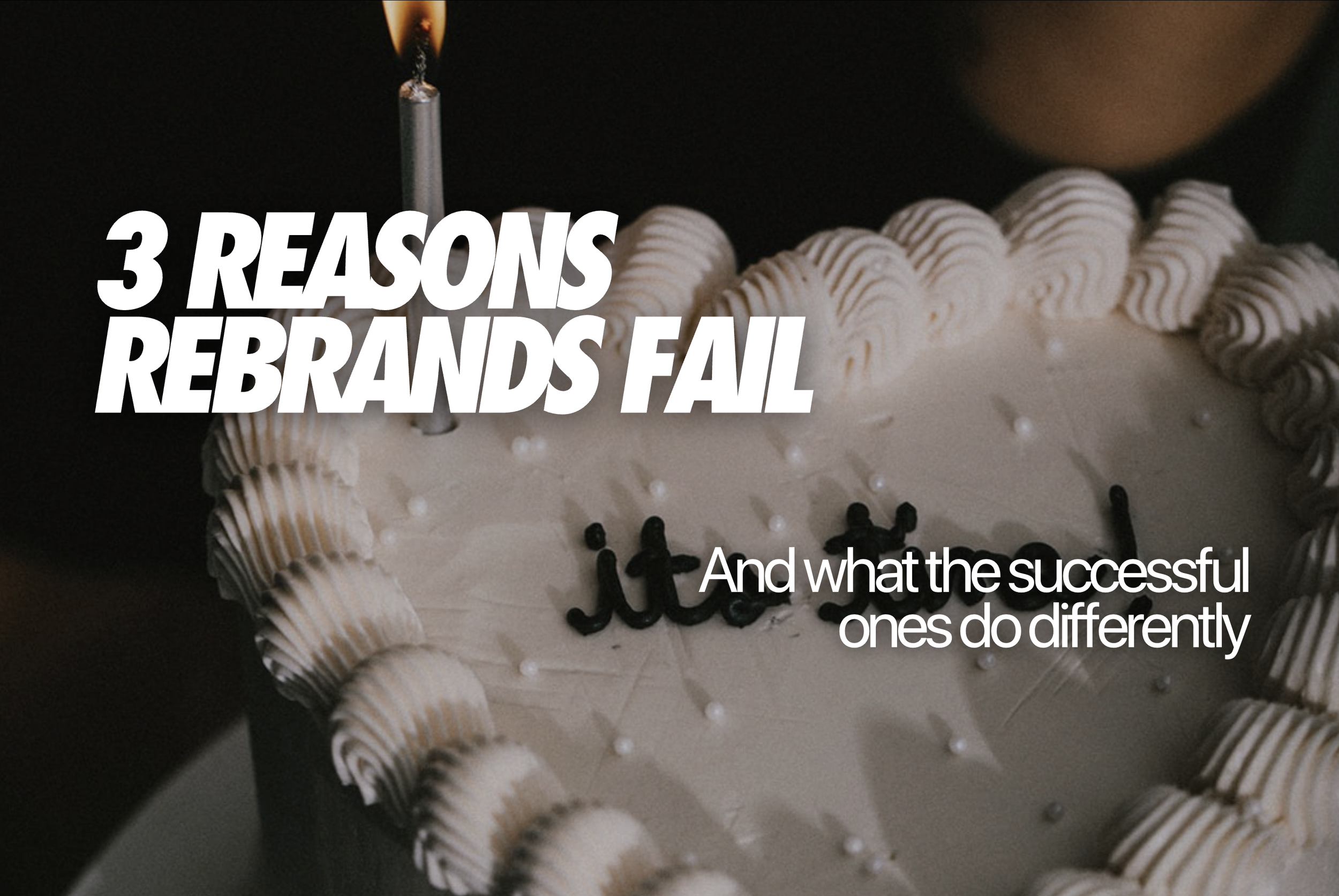
3 REASONS REBRANDS FAIL —AND WHAT THE SUCCESSFUL ONES DO DIFFERENTLY
Zara Larsson's rebrand started with a TikTok meme about dolphins. By 2025 she had a sold-out headline tour, high-profile collaborations, and a song from 2017 back in the charts.

In April 2025, Jaguar sold 49 cars in Europe. The same month the year before, it had sold 1,961. The rebrand without the iconic leaping cat launched five months earlier and had no cars in the campaign video. Just models and moody backdrops.

Same tool. Completely opposite outcomes. The difference was never the visual. It was everything that came before it.

Here is what the rebrands that actually land have in common. Plus a bonus at the end you will want to read.
1. THE BEST REBRANDS START WITH THE AUDIENCE
Most rebrands start in a boardroom. The best ones start by paying attention to what the audience is already saying about the brand.

A rebrand built on real audience signals has built-in resonance. One built on internal assumptions has to fight for it.
Try this;
Audit how your audience describes you in comments, reviews, and DMs. That language is your brief.Ask what your best customers associate with you that you have never said out loud.Define the strategic reason in one sentence. Aesthetics alone is not a reason.Identify the business problem the rebrand is solving before any creative work begins.Map what success looks like in business terms, not design outcomes.
example;
Dolphins went viral on TikTok set to Zara Larsson's music in 2024. Her team built an entire visual world from that one signal. Sold-out tour, high-profile collabs, Grammy nomination, and "Lush Life" back in the charts nearly a decade later.
THE TAKEAWAY;
The audience is always ahead of the brief. The best rebrands listen before they design.
2. ERASING YOUR EQUITY IS NOT REINVENTION. IT IS STARTING FROM ZERO
Brand equity is the accumulated trust of every interaction a brand has ever had. The associations customers hold, visuals they recognise, values they attribute: all of it is built over time and cannot be replaced overnight.

A rebrand that discards all of that doesn't reinvent the brand. It deletes it, then asks people to care about something they have no history with.
Try this;
List your distinctive assets: visuals, language, associations. Decide what carries equity and what holds you back.Evolve from your existing identity, not away from it.The best rebrands feel like a natural next chapter, not a contradiction.Test new directions with existing customers before going public.Their reaction is more valuable than any internal opinion.
example;
Jaguar's "Copy Nothing" rebrand removed the iconic leaping cat, launched with no vehicles in the campaign, and eliminated most of its lineup before replacements were ready. Sold 49 cars in Europe in April 2025. The year before: 1,961. It had not repositioned. It had erased itself.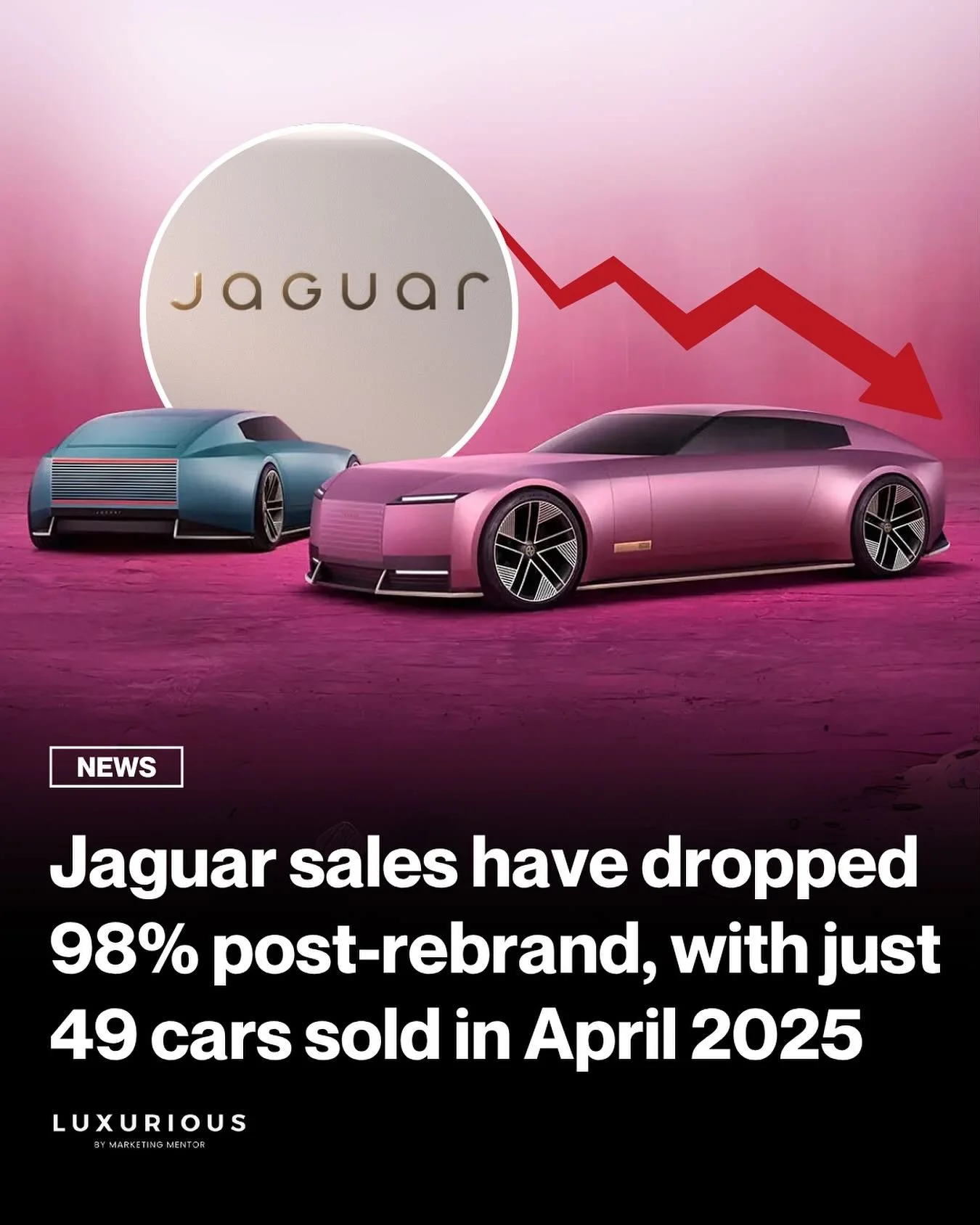
THE TAKEAWAY;
The fastest way to lose brand equity is to voluntarily destroy it. Evolution keeps what works. Erasure loses everything.
3. TIMING IS AS IMPORTANT AS STRATEGY
A rebrand launched at the wrong moment will underperform even if the strategy is sound. The business conditions have to exist before the rebrand can communicate them.

Rebranding into a new positioning requires product to back it up. A new logo applied to an unchanged experience confirms the problem it was meant to solve.
try this;
Align the rebrand timeline with product milestones, not a calendar deadline.The new brand needs something real to point to before it launches.If addressing a perception problem, fix the behaviour first.The visual change should confirm the shift, not initiate it.Build in a transition period. Abrupt changeovers create confusion, not excitement.
example;
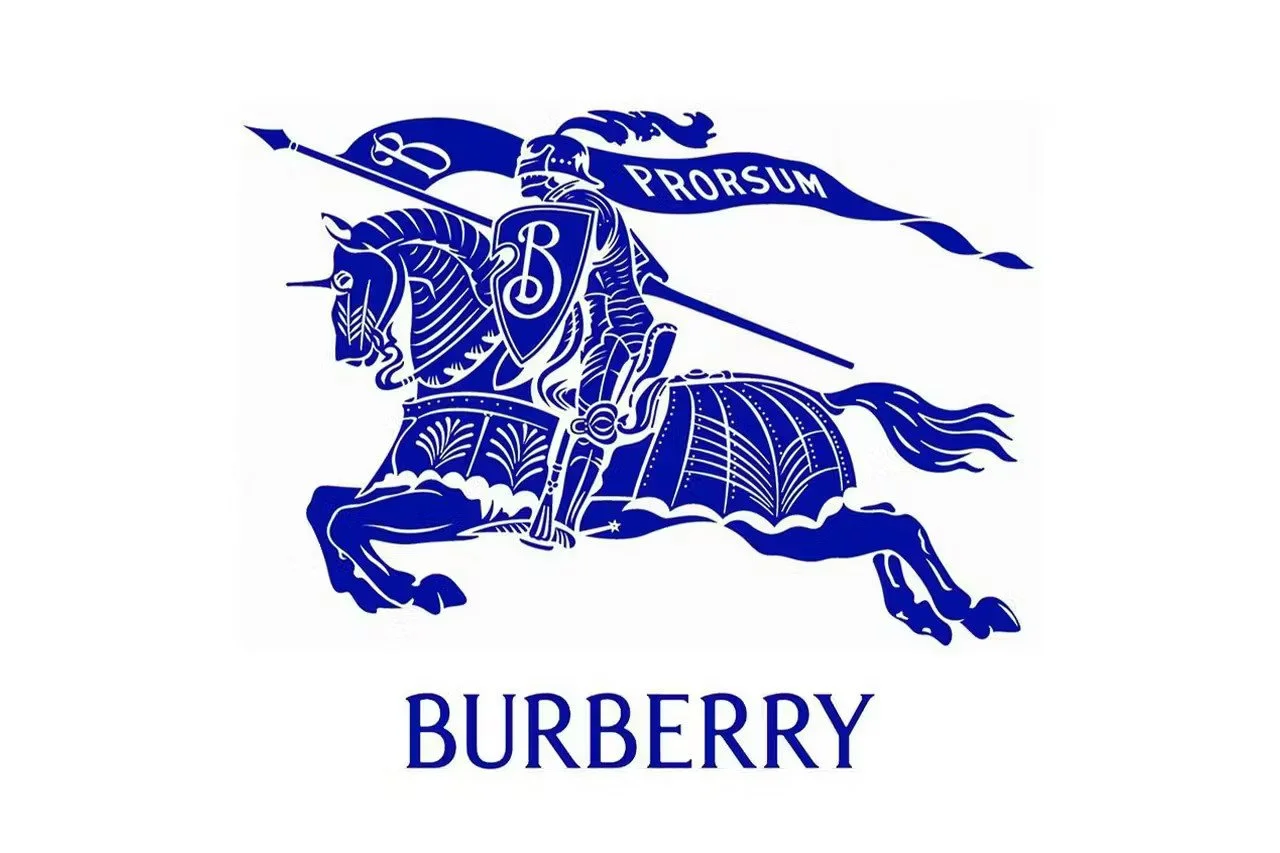
Burberry's return to luxury started with product decisions, not a logo. It removed the check pattern, tightened distribution, and raised prices. The visual rebrand followed after the product had already done the positioning work. By the time the identity updated, the change was real.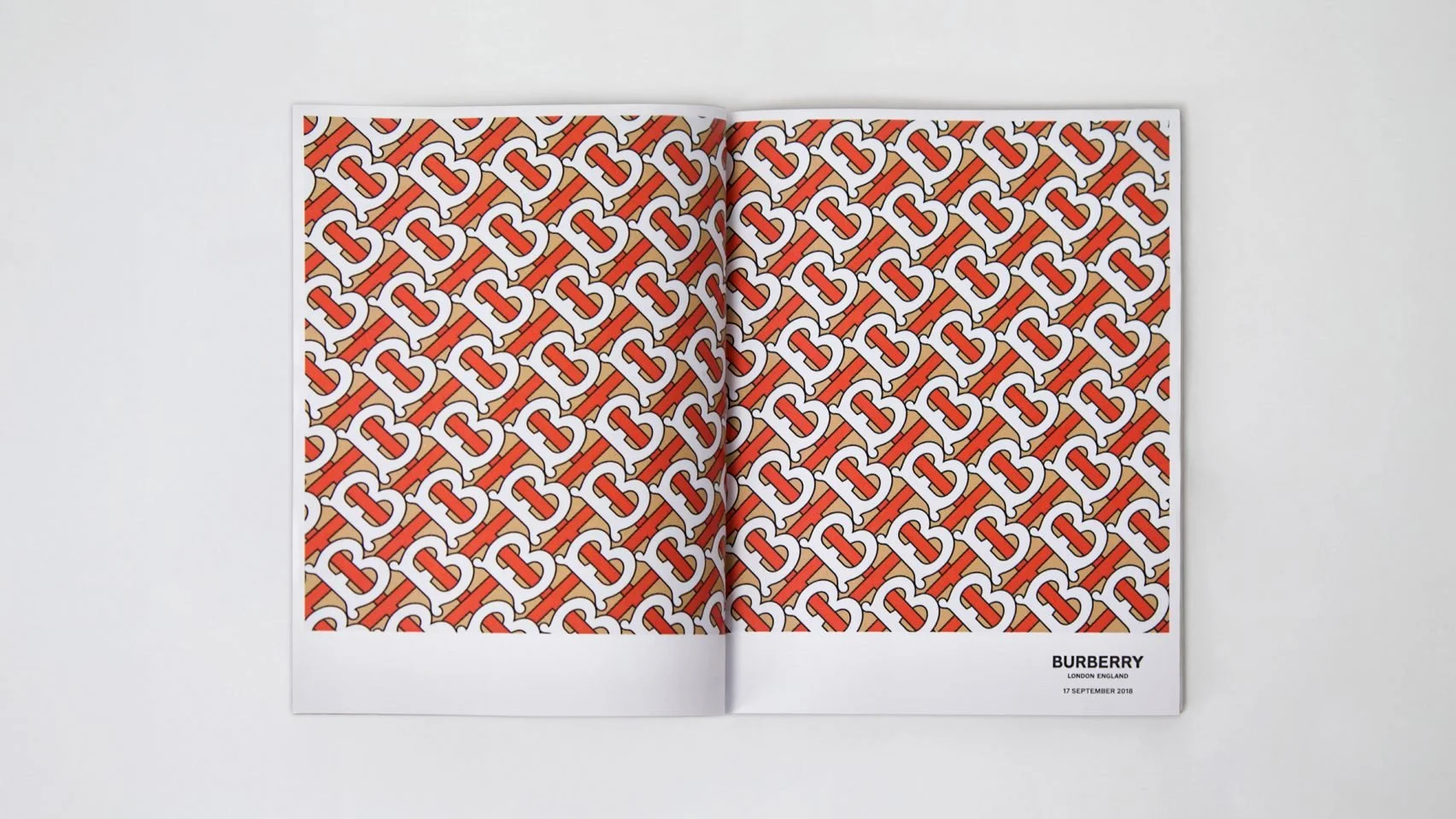
THE TAKEAWAY;
The strategy has to be lived before it can be communicated.BONUS: A REBRAND IS ONLY AS STRONG AS WHAT FOLLOWS IT
A rebrand is an ongoing commitment. The new identity has to show up consistently across every touchpoint: visuals, tone, product, and customer experience.

Most brands get the launch right and fall apart in the execution. The new logo appears on the website, the old language stays in the sales team's emails, and the customer experience doesn't change. That inconsistency erodes trust faster than the old brand ever did.
try this;
Launch internally before externally. The team needs to believe it before customers see it.Build a brand guide that explains the why, not just the what.Rules without context get ignored. Principles with reasoning get followed.Audit every touchpoint after launch: emails, packaging, social, sales conversations.Inconsistency at any point breaks the rebrand's credibility.
example;
When Dunkin' dropped "Donuts" in 2019, it updated every touchpoint simultaneously: cups, signage, packaging, stores, digital. Every surface said the same thing. Revenue grew to $1.37 billion by 2022 and the brand outperformed competitors on perception scores after.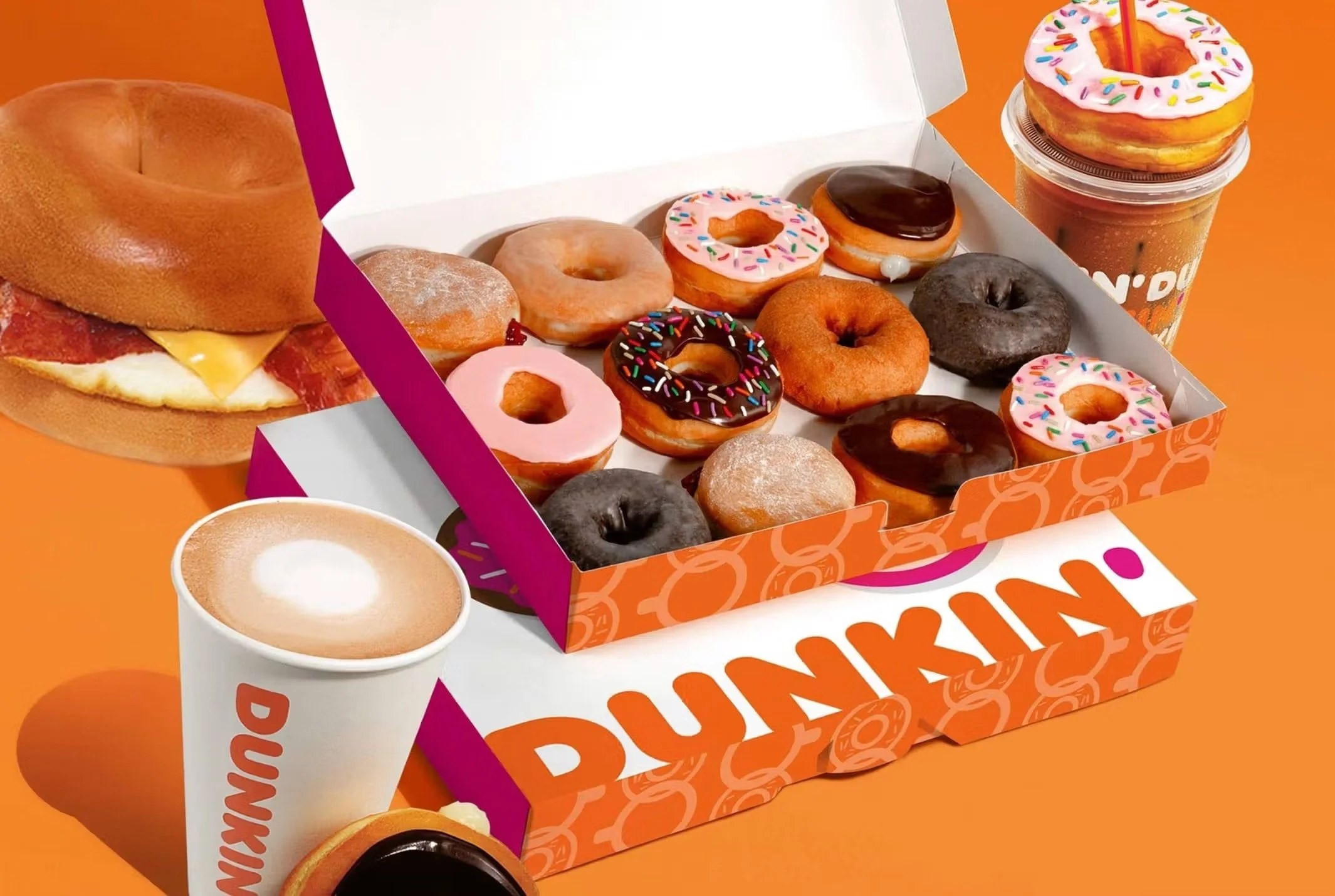
THE TAKEAWAY;
A rebrand lives or dies in the execution that follows it. Consistency is not a design detail. It is the whole point.Most rebrands do not fail because the design was wrong. They fail because the strategy was unclear, the timing was off, the equity was discarded, or the execution fell apart after launch.
The ones that land treat the creative as the last step, not the first.
If you are thinking about a rebrand, we are here to help you build it the right way from the start.