WHAT FASHION AND RETAIL GET RIGHT ABOUT MARKETING
5 min READING TIME
Rhode did not launch a skincare brand. It launched a world: effortless, clean, soft, aspirational. LoveShackFancy does not sell dresses. It sells a feeling so specific and so consistent that other brands pay to live inside it.

None of these brands won on product alone. They won because they understood something most industries are still figuring out: people do not buy products. They buy desire, identity, and a sense of belonging to something.

Here is how fashion and retail built that, and what any brand can take from it.
1. THEY SELL THE IDENTITY BEFORE THEY SELL THE PRODUCT
Most industries lead with what the product does. Fashion leads with who you become when you use it. That distinction changes everything about how a brand communicates.

A feature can be copied by any competitor. A feeling cannot. The product is the entry point into a world the customer wants to belong to, and brand-loyal fashion customers are extraordinarily difficult to pull away.
How To Use It;
Define who your customer becomes when they choose your brand.Write down the feeling your brand should create at every interaction.Audit your messaging. If it leads with features, ask what identity each one points toward.Name the emotional state your best customers are in when they buy from you.Build content around that state, not around your product specifications.
example;
Rhode was acquired for $1 billion in 2025 after three years, not because it had the most innovative skincare, but because it built a world of effortless, clean "it-girl" beauty women want to be associated with. The product became a symbol of identity. That is the real reason it scaled.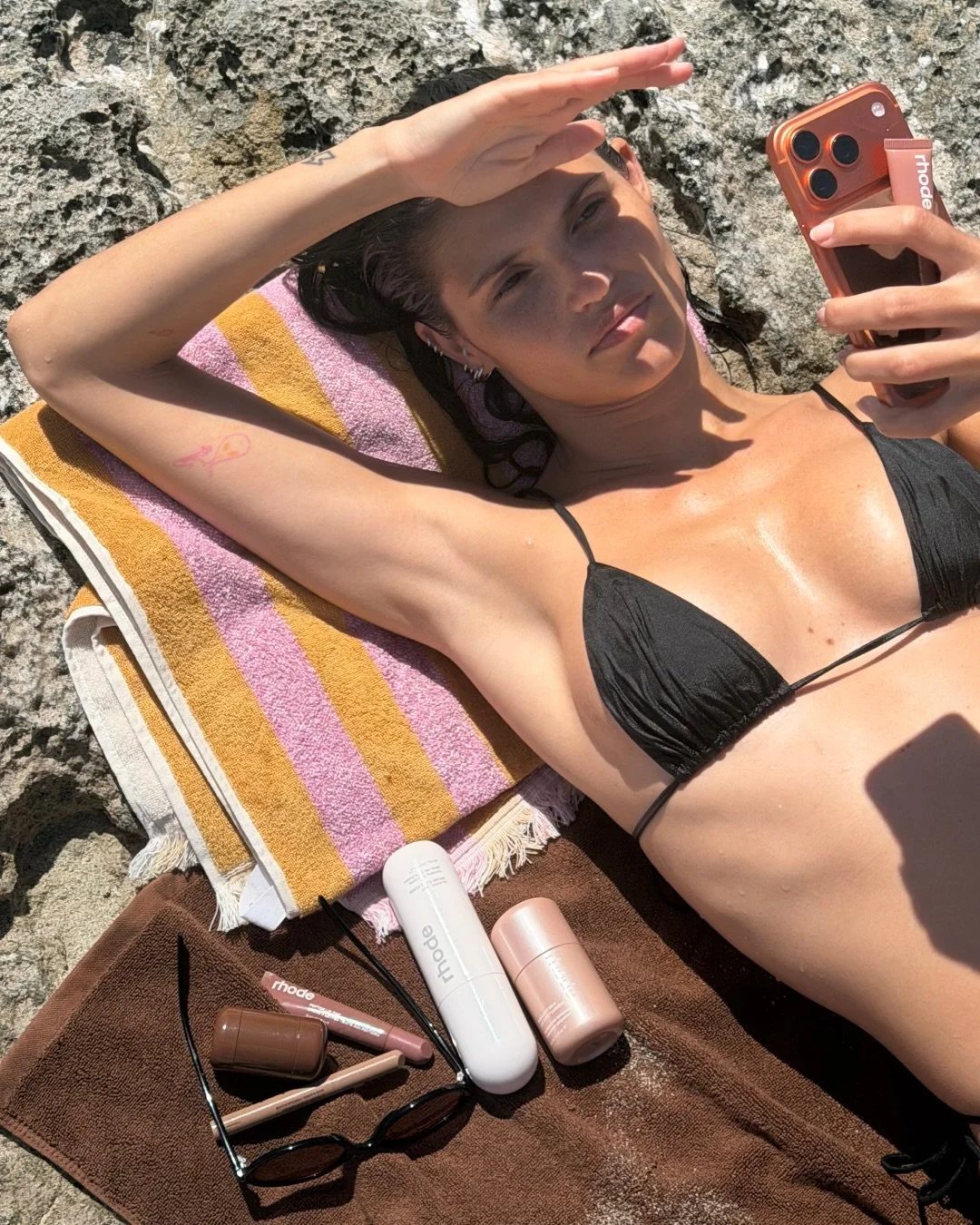
THE TAKEAWAY;
Features get considered. Identities get chosen. Build the identity first.
2. THEY BUILD WORLDS, NOT CAMPAIGNS
Fashion brands do not think in launches. They think in universes. Every visual, caption, and collaboration is an expression of the same world, and that consistency is what creates desire over time.

Most industries think in campaigns: a launch, a promotion, a moment. Fashion thinks in seasons, each one a chapter in a longer story. That continuity trains customers to pay attention and turns one-time buyers into loyal communities.
How To Use It;
Stop thinking in individual posts. Start designing a consistent world across every platform.Define your brand's visual and tonal constants: what stays the same regardless of what changes.Plan content in recurring themes, not just launches.Give your audience something to return to between purchase moments.Every piece of content should feel like it belongs to the same story.
example;
LoveShackFancy built one of the most consistent brand worlds in fashion: romantic, floral, unapologetically feminine across every touchpoint. Online sales grew over 50% in 2024. In 2025 it ran 20 collaborations and every one felt like the same brand, because the world was coherent enough that other brands wanted to live inside it.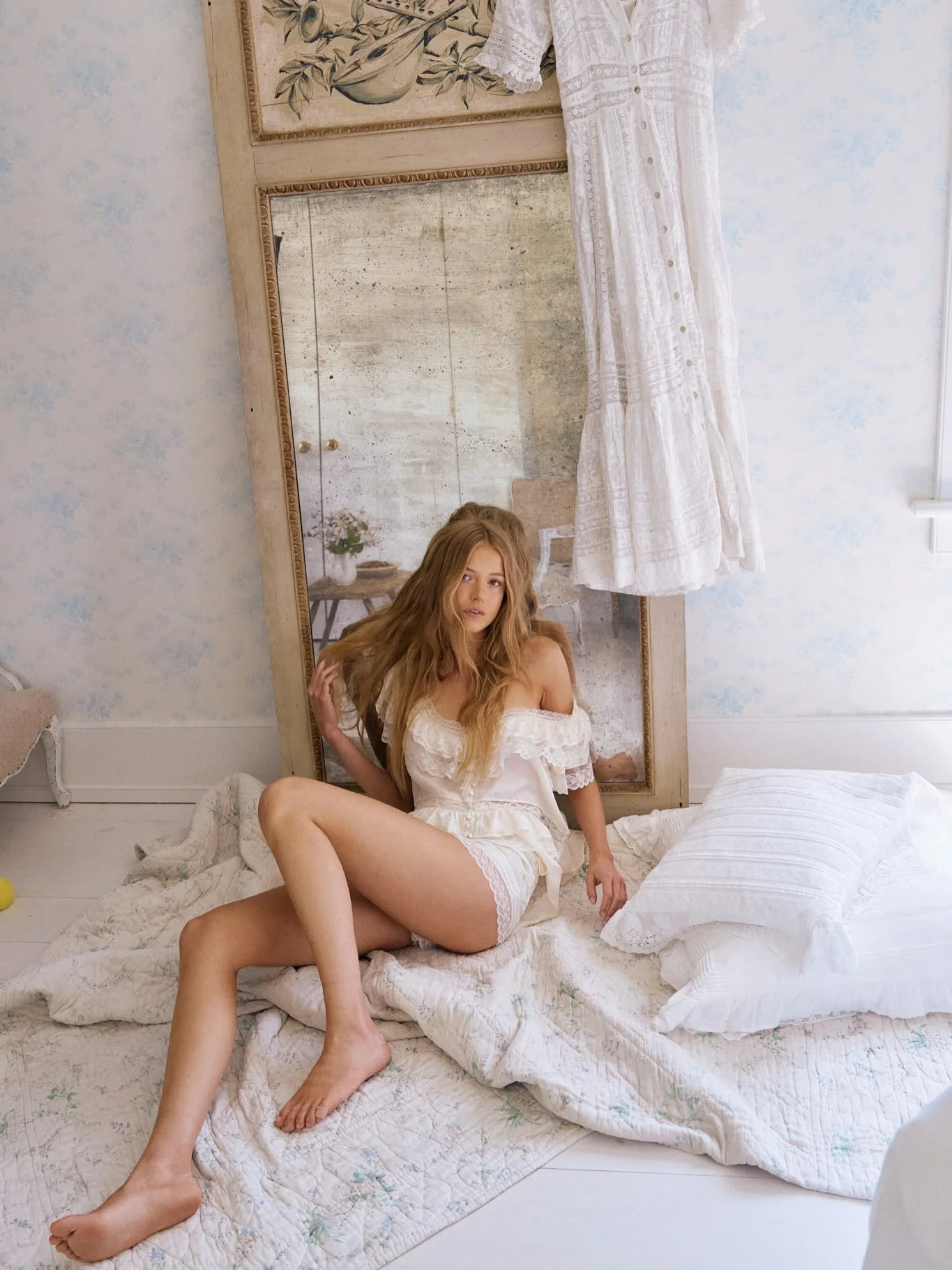
THE TAKEAWAY;
Campaigns create moments. Worlds create loyalty. Build for the long story, not the next launch.
3. THEY TREAT EVERY TOUCHPOINT
AS PART OF THE STORY
In fashion, the store is a set, the packaging is part of the experience, and the email confirmation is a brand moment. Every interaction is designed to deliver the same feeling. That consistency is what makes a brand feel premium before the product is even in the customer's hands.

Most other industries leave these touchpoints undesigned. The product is considered carefully, but the email is a template and the packaging is purely functional. The result is a brand that feels inconsistent because the experience around it tells a different story.
How To Use It;
List every touchpoint: ads, social, website, email, packaging, unboxing, follow-up.Ask whether each one tells the same story as your brand identity.Find the most inconsistent touchpoint and fix it first.Write a tone and feeling brief, then apply it to every customer-facing surface.Treat your email confirmations and packaging as brand moments, not admin.
example;
Zara opened a store in Osaka with a café, Zacaffé, built into the retail space, designed in narrative zones rather than aisles. Customers came not just to shop but to be inside the brand. A model for how physical retail becomes brand-building infrastructure.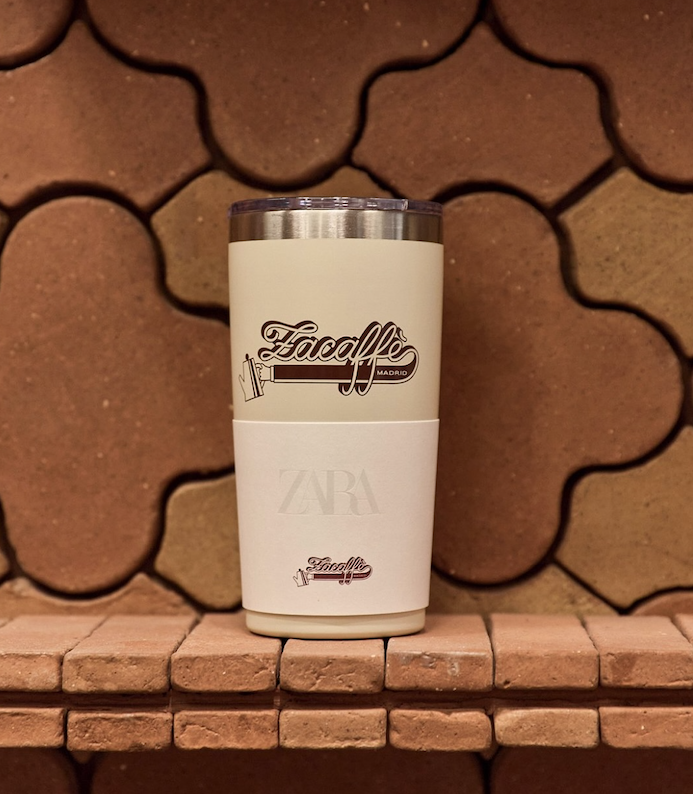
THE TAKEAWAY;
Your brand is not your logo. It is every interaction a customer has with you. Design all of them.
*BONUS: THEY TURN CUSTOMERS
INTO COMMUNITY
The most powerful fashion brands do not have audiences. They have communities: people who identify with the brand beyond what they have purchased and advocate for it without being asked. That distinction matters more commercially than most brands realise.

Community members have higher lifetime value, lower acquisition cost, and generate organic content no paid campaign can replicate. Fashion understood early that the goal is not to reach more people. It is to mean more to the right ones.
How To Use It;
Identify the values your best customers share beyond your product.Build content around those values, not just around what you sell.Make your community visible: feature customers, share their content, name the people involved.Create a reason to return that is not a promotion: a series, a newsletter, a community space.Involve your audience in decisions. Launches that the community helped shape always outperform ones that did not.
example;
Refy Beauty launched in 2020 and built its community before its full product line existed. Founder Jess Hunt involved her audience in shades, formulas, and names from the start. By 2025 it was one of the most talked-about independent beauty brands in the UK, with organic content and word-of-mouth doing most of the marketing work.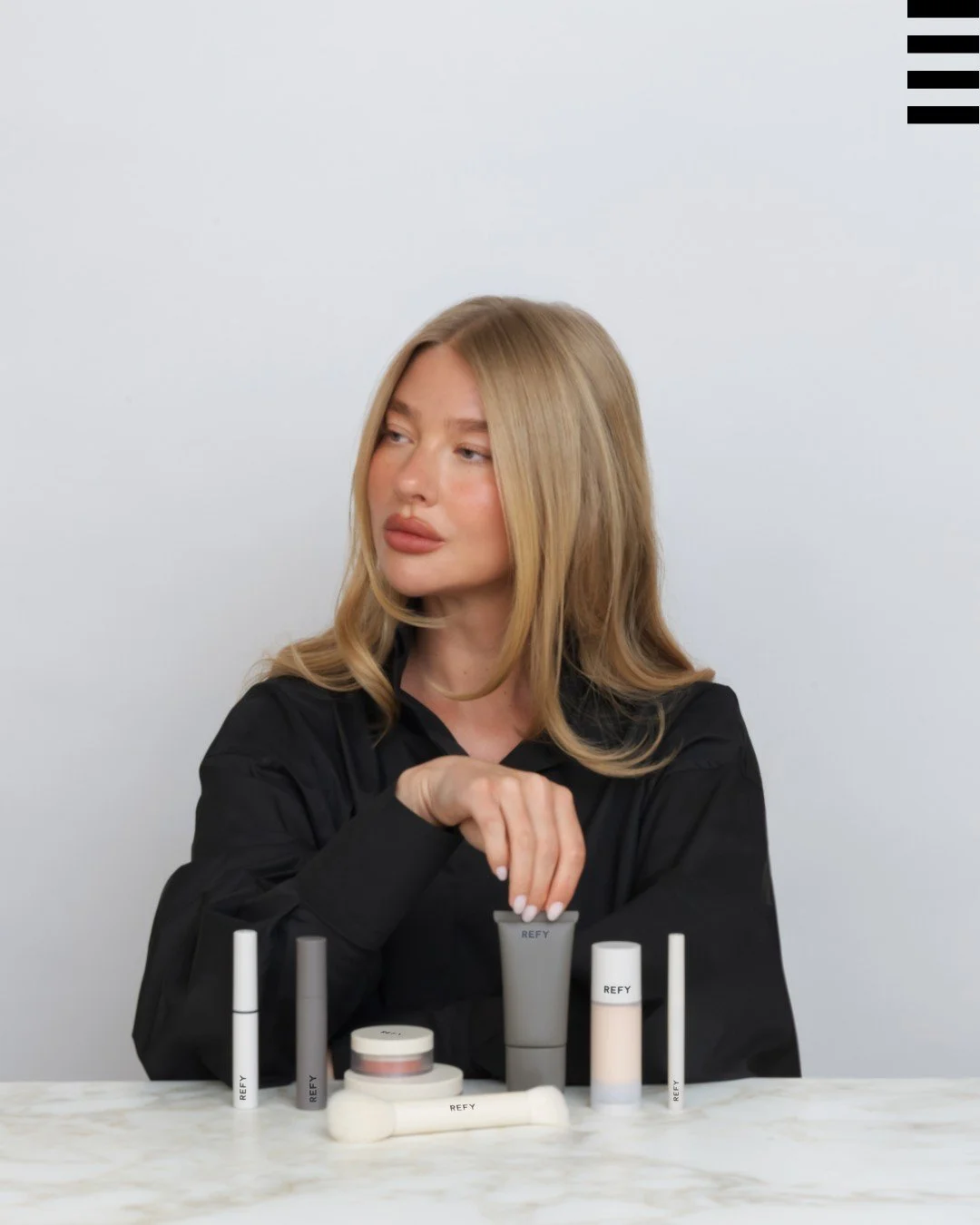
THE TAKEAWAY;
An audience watches. A community belongs. The difference is everything when it comes to lifetime value.
Fashion and retail did not invent human desire. They just built better systems for meeting it.

Every industry sells something. The ones that build lasting brands sell an identity, a world, a feeling, and a community around it. The product is how people enter. Everything else is why they stay.

Before you write another piece of content, here are five questions worth answering first:

— What does your customer become when they choose your brand?
— What feeling should every interaction with your brand create?
— Are all your touchpoints telling the same story?
— Does your content give people a reason to return between purchases?
— Are you building an audience or a community?

If the answers come easily, you are already thinking like a fashion brand. If they do not, that is exactly where the work starts.

We help brands build that kind of presence, whatever industry they are in. We are here when you are ready.