3 THINGS THE FASTEST-GROWING BRANDS OF 2026 HAVE IN COMMON

5 min READING TIME
Most brands that did not grow in 2026 were not short on ideas. They had content calendars, ad budgets, and product launches. What they did not have was a clear answer to a deceptively simple question: why would someone genuinely care about this brand?

Only 14% of brands grew their audience and relevance in 2026, a five-year low. Bloom Nutrition answered that question with a community. Owala answered it with one product done exceptionally well. Beyond Beige, one of our clients, answered it by showing the real work instead of the polished result. Here is what they had in common.
1. THEY BUILT COMMUNITY BEFORE THEY BUILT CAMPAIGNS
Most brands treat community as a nice-to-have. The fastest-growing brands treat it as the foundation.

Only 14% of brands grew their audience and relevance in 2026, a five-year low, per Morning Consult's Fastest Growing Brands report. [Morning Consult, 2026] The ones that did had people who felt connected to the brand, not just aware of it. Connected customers advocate, generate content, and come back. Awareness doesn't do any of that.
EXAMPLE:
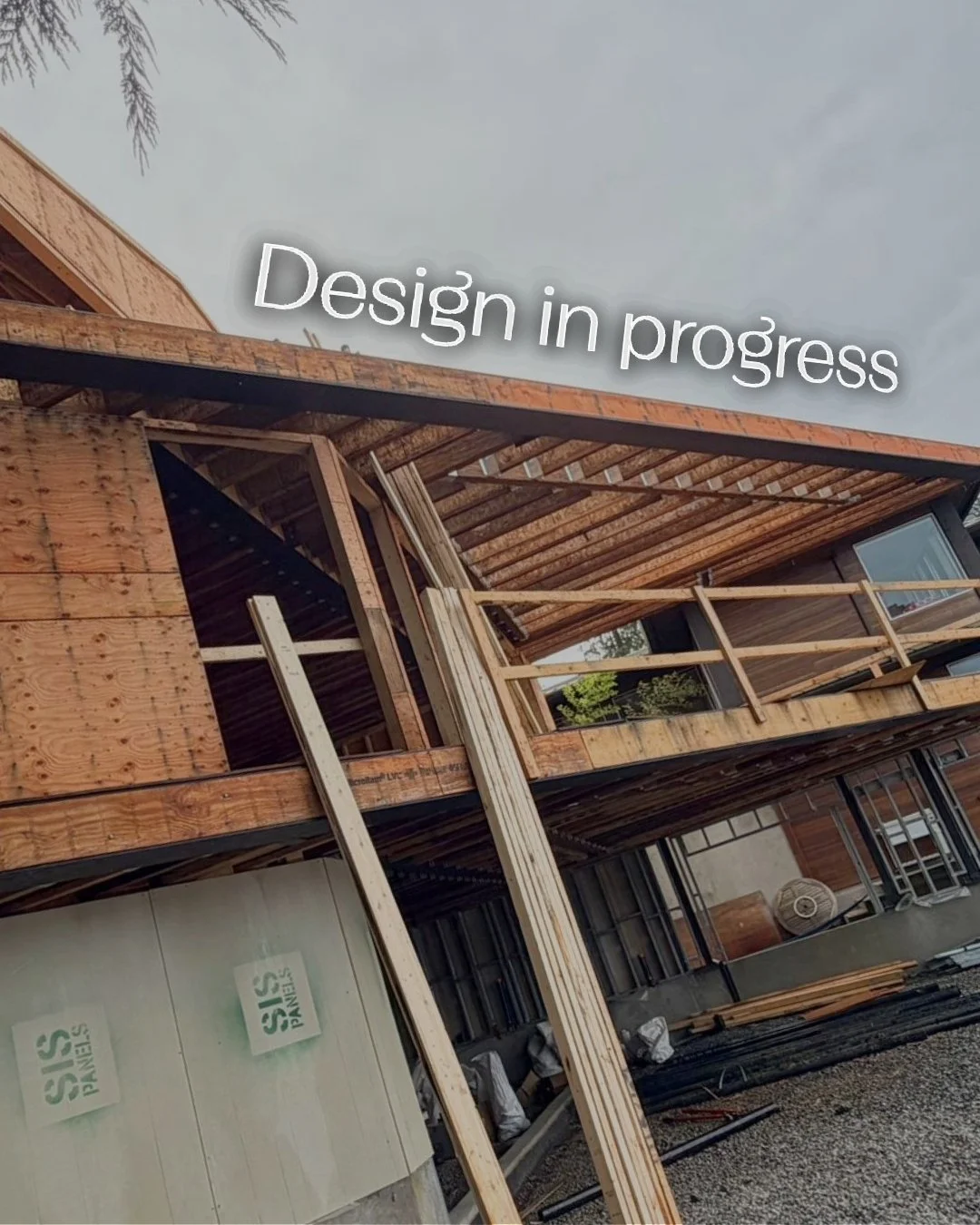
For Beyond Beige, an interior design studio, the content that consistently outperformed everything else wasn't the polished reveals or the sales pitches. It was the behind-the-scenes process, the methodology, the decisions, the why behind the design. The audience responded to substance, not aesthetics.
What Does This Mean For You?
A community of people who genuinely care about your brand will out-distribute any paid campaign. That's what we help you build.Start with the people who already love you. Make them feel seen before you try to reach everyone else.Community-first brands spend less on acquisition over time because their customers do the recruiting for them.
THE TAKEAWAY:
Awareness gets you noticed. Community gets you chosen, again and again.
2. THEY TREATED CREATORS AS INFRASTRUCTURE, NOT INFLUENCERS
The fastest-growing brands aren't the ones with the biggest influencer deals. They're the ones with the most distributed creator ecosystems. A big deal buys a moment. An ecosystem builds a compounding content engine that runs without you.

Creator content now accounts for 44% of brands' paid media creative assets on average. [CreatorIQ, 2026] The brands winning that shift seeded early, built real relationships, and let creators tell the story in their own voice.
EXAMPLE:
Bloom Nutrition scaled through creator-led UGC rather than traditional paid search. By the time it launched beverages, it had 6,000+ creators generating content, and its soda hit number one in its category within its first six months. [Forbes, 2026] The creator network wasn't just awareness. It was launch infrastructure the brand could activate every time it released something new.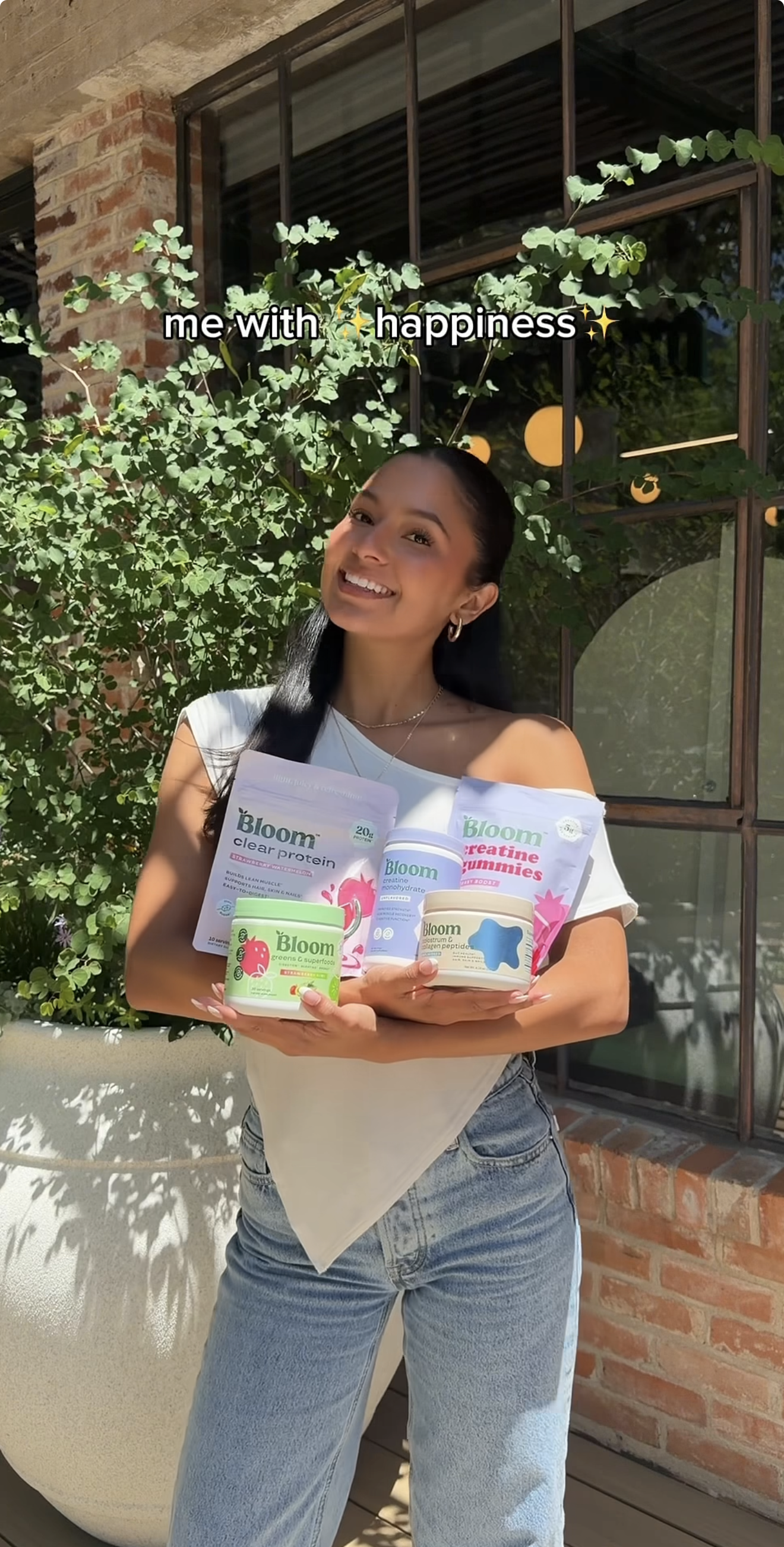
What Does This Mean For You?
Start seeding to micro-creators now, before you need them. The relationship matters as much as the reach. Run creator campaigns that work.Give creators a clear brand story but loose creative direction. The content that performs best sounds like them, not you.Creator content that works as organic also works as paid. The best brands repurpose it across both without it feeling different.
THE TAKEAWAY:
Creator ecosystems are not a campaign. They're a distribution channel you build once and use forever.
3. THEY EXPANDED WHEN THE BRAND WAS READY, NOT WHEN THE MARKET WAS
The fastest-growing brands of 2026 resisted the pull to expand before the core was ready. They moved when the brand identity was clear enough that any new direction felt inevitable, not random.

The brands that grew fastest are the clearest about who they serve and the most disciplined about when to move. Expansion without that foundation dilutes the brand. With it, everything already working gets amplified.
EXAMPLE:
Owala entered one of the most saturated categories in consumer goods and spent years perfecting one product, the FreeSip, before expanding anywhere else. By 2023 it was the top-selling water bottle in the US. [Fast Company, citing Circana, 2024] Limited editions and personalization came in 2026, once the brand was strong enough to make every drop feel like an event.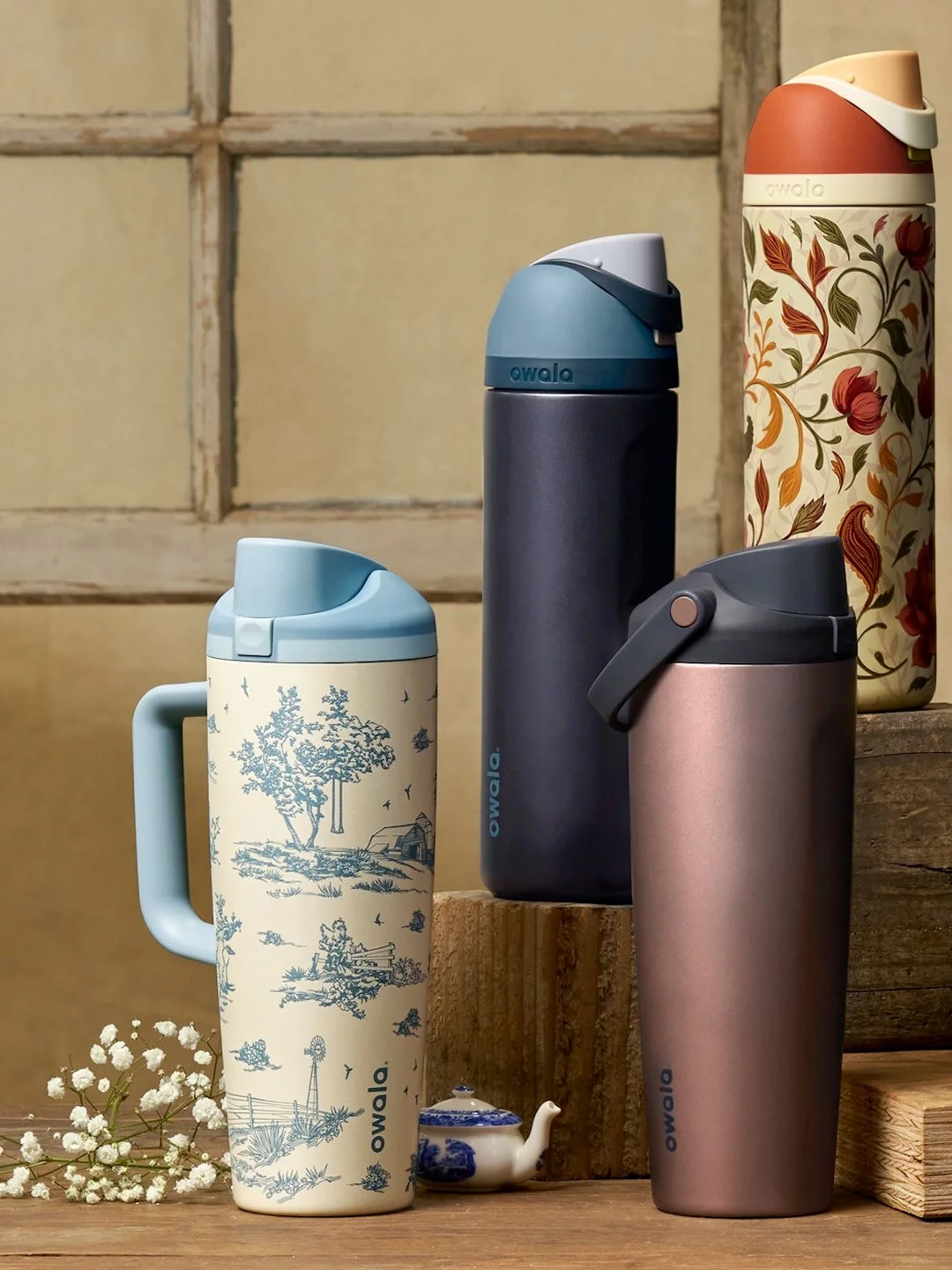
What Does This Mean For You?
Before expanding into a new category or market, ask: is our current brand identity strong enough to carry this?The best expansions feel inevitable to the customer. If you have to explain why the new thing fits, it probably doesn't yet.Expand the audience for what you already do before you expand what you do. Depth before breadth.
THE TAKEAWAY:
Timing an expansion to the market is guesswork. Timing it to your brand's readiness is strategy.
The gap between brands that grew in 2026 and the ones that didn't isn't a budget gap. It's a clarity gap.

Bloom built community before it built campaigns. Owala perfected one product before it expanded into anything else. Beyond Beige grew faster the moment we stopped chasing trends and started showing the real work.

None of those decisions required a massive budget. They required a clear point of view and the discipline to stick to it.