5 THINGS WE’VE LEARNED FROM RUNNING INFLUENCER CAMPAIGNS THAT ACTUALLY CONVERT
5 min READING TIME
Across every influencer campaign we have built, the ones that drive real sales share the same foundation. It is never the biggest budget or the most recognisable name. It is the decisions made before the creator ever posts.

Who you pick, how long you work with them, what you put in the brief, and what you do with the content after it goes live. Those four things determine whether a campaign converts or just gets views.

Here is what we have learned, and what we build every campaign around.
1. FOLLOWER COUNT IS NOT WHAT DRIVES CONVERSION
The first thing we stopped optimising for was reach. A creator with 8,000 followers in exactly the right niche consistently outperforms one with 800,000 followers in a broad category. The audience is smaller, more trusting, and far more likely to act on a recommendation.

Micro-influencers (10K to 100K) deliver 60% higher engagement than mega-influencers at one-tenth the cost per post. Nano-influencers (1K to 10K) hit engagement rates above 8% on Instagram and up to 18% on TikTok. Running 15 of them beats one big name, every time.
*Worth Noting
Engagement rate tells you more than follower count. Look for real conversations in the comments, not just numbers on a profile.Niche alignment matters more than audience size. A creator whose followers look exactly like your customer is worth more than one with broad reach.
example;
I and Love and You, a US pet food brand, ran a campaign with 400 micro-influencers in the pet niche. It generated 7.8 million in combined reach and 64,000 engagements. No single creator drove it. The relevance of the network did.
THE TAKEAWAY;
The creator with the most followers is rarely the one who converts. The one with the most trust in the right niche usually is.
2. ONE POST IS NOT ENOUGH TIME TO BUILD TRUST
When an audience sees a creator mention a brand once, it reads as an ad. When they see it three times over a few weeks, it starts feeling like a genuine recommendation. That shift is where conversion happens.

The campaigns that consistently outperformed were the longer ones. Creators who knew the product, talked about it naturally, and had time to show real use generated far better results than a single sponsored post ever did.
*Worth Noting
One post is an introduction. Three or more posts over time is when trust compounds into conversion.Give creators the story behind the product, not just the product. The more they understand it, the more naturally they talk about it.
example;
Ellos, a Nordic fashion brand, moved from fixed-fee one-off posts to performance-based partnerships with 130 micro-influencers across multiple seasons. The programme generated 980 pieces of content, over 2 million impressions, and $78,000 in revenue at a 4% conversion rate. The longevity of the partnerships, not the individual posts, is what made that possible.THE TAKEAWAY;
A single post is an ad. A long-term partnership is a relationship. Audiences convert differently based on which one they are seeing.
3. IF YOU CANNOT TRACK IT, IT DID NOT CONVERT
Most of the waste we have seen in influencer spend comes from campaigns with no tracking. A post with 100,000 views and no trackable conversion data is not a result. It is a number with a price tag attached.

Every campaign that performed had a unique discount code, an affiliate link, or a UTM parameter attached to every piece of content. Without one of those three, you have no idea what converted and no ability to improve the next campaign.
*Worth Noting
Every creator needs a unique trackable link or discount code. Without it, there is no conversion data and no way to improve.Cost per acquisition is the metric that matters, not reach or impressions. A smaller audience that converts beats a large one that does not.
example;
Honest, a US baby products brand, gave each influencer a unique 15% discount code tied to a four-product bundle. Every conversion traced back to a specific creator. That single mechanic, built into the brief from the start, is what made the campaign measurable and repeatable.THE TAKEAWAY;
If your campaign cannot show you a conversion rate, it is not a performance channel. It is a content budget.
4. THE BRIEF IS WHERE MOST CAMPAIGNS ARE LOST
The most common reason a campaign underperforms is not the creator. It is the brief. Over-scripted content reads as stiff and paid. Under-briefed content looks nothing like the brand. Both kill conversion.

The briefs that worked gave the creator clear direction on the message, the offer, and the non-negotiables, then stepped back. The creator's audience follows them for how they communicate. A brief that removes that removes the only reason the partnership works.
*Worth Noting
The message, the offer, and the non-negotiables. That is what belongs in a brief. Everything else is the creator's territory.Show examples of content you admire rather than scripting what you want. Direction lands better than instruction.
example;
Rhode's influencer strategy centres on product seeding to creators who genuinely use the brand, with minimal creative direction. Hailey Bieber's own content set the aesthetic and tone. Creator partners are chosen for alignment, not audience size. The content looks organic because it largely is, and that authenticity is a significant part of why Rhode reached a $1 billion acquisition in 2025.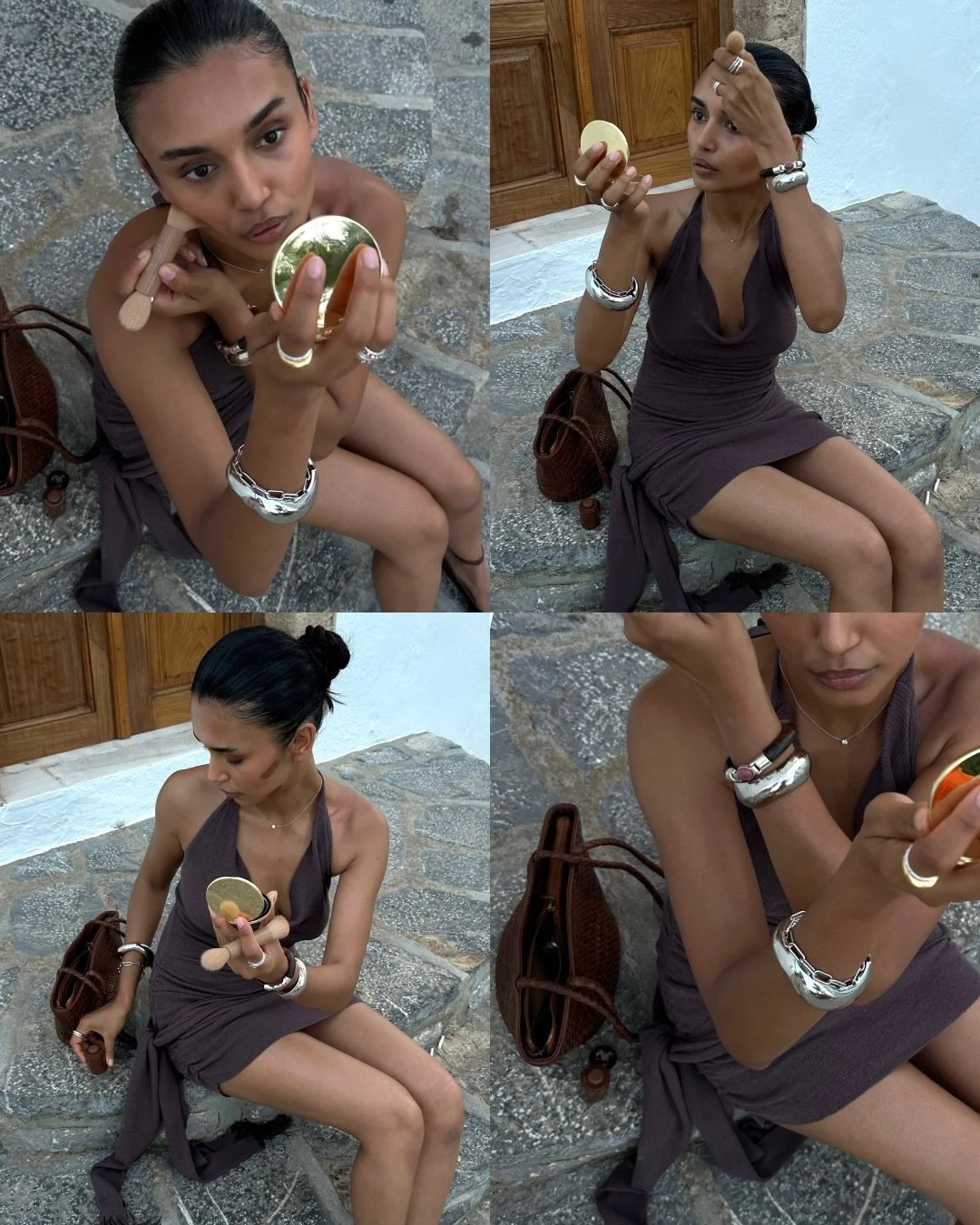
THE TAKEAWAY;
The best briefs give creators a direction, not a script. The conversion comes from their voice, not yours.
5. THE POST IS THE STARTING POINT, NOT THE END PRODUCT
Most brands treat influencer content as a one-time asset. A post goes live, it runs its organic cycle, and that is the end of it. The brands getting the highest return from creator partnerships treat every piece of content as raw material for everything else.

Creator content outperforms brand-produced creative on paid channels consistently. The same video that earned 8% engagement organically can run as a Meta ad, appear in an email campaign, live on a product page, or anchor a retargeting sequence. That content was already paid for. Repurposing it is the highest-leverage move in the campaign.
*Worth Noting
Usage rights for paid ads, email, and website should be part of every creator agreement from the start, not negotiated after the fact.The content that performs best organically is almost always the content worth putting paid budget behind.
example;
e.l.f. Cosmetics consistently ranks among the top-performing beauty brands on TikTok and Meta because of how it repurposes creator content. The brand builds its paid media strategy around organic creator posts that have already proven they can hold attention. Content that earns strong engagement on a creator's page gets whitelisted and amplified as a paid ad, reaching new audiences with the exact same asset.
THE TAKEAWAY;
Creator content does not end when the post goes live. The best campaigns are the ones that keep using it long after the creator has moved on.


Influencer marketing works. But not the way most brands are running it.

The campaigns that convert are built on the right creators, longer relationships, trackable mechanics, briefs that trust the creator, and content that keeps working long after the post goes live.