Every few years someone declares email dead. Then the data comes out and email is, again, outperforming everything else by a margin that is hard to explain away.

Jubilee Scents generated £5,549 in six days with two automated flows and zero paid ads. Bomme Studio replaced discounts with educational emails and built more loyalty than any promotion had. Ellaè Lisquè pivoted to email when paid acquisition costs tripled and called it the most important shift in their strategy.

Email returns $42 for every dollar spent. Social advertising returns $2.80. Here is why, and how to use it:
1. EMAIL REACHES EVERYONE ON YOUR LIST, SOCIAL REACHES 2 TO 10%
When you post on Instagram, the algorithm decides who sees it. Organic reach for brand accounts sits at roughly 2 to 10% of followers. An email reaches every single person on your list, without paying for access, every time.

Social is a discovery channel. It introduces your brand to new people. Email is a relationship channel. It deepens the connection with people who already chose you. The strongest brands use both: social to grow the audience, email to convert it.
How To Use It;
Add an email CTA to your three best-performing social posts this week. Give people a specific reason to sign up: early access, a useful resource, something they cannot get anywhere else.Set a weekly list growth target and track it like a revenue metric. Because over time, it is one.Check what percentage of your revenue comes from email. If it is under 15%, you have significant room. Well-run brands target 25 to 40%.
example;
Ellaè Lisquè, an accessible luxury fashion brand, leaned into email when paid acquisition costs started compressing margins. By building its list and using it as the primary relationship channel, it reduced dependence on paid ads while maintaining consistent revenue. Founder Maxie James described it as the single most important shift in the brand's marketing in 2025, cited in Forbes' 2026 marketing roundup as a model for how emerging brands navigate rising acquisition costs.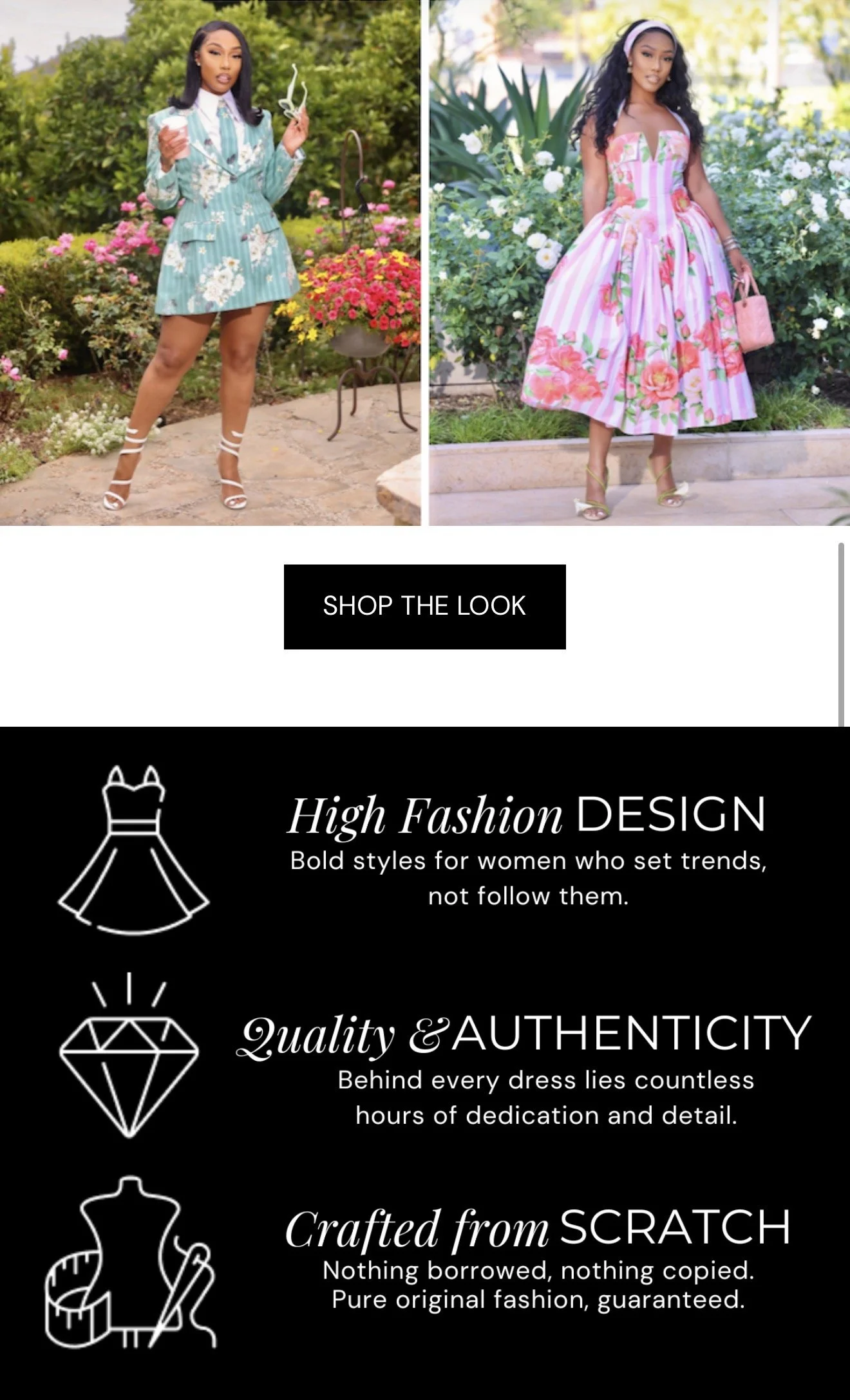
THE TAKEAWAY;
Social builds awareness. Email builds revenue. Most brands are investing heavily in one and neglecting the other.
2. THE REAL MONEY IS IN THE FLOWS YOU SET UP ONCE AND NEVER TOUCH AGAIN
Most brands treat email like a campaign channel: a launch, a promotion, a monthly newsletter. The revenue that actually compounds lives in automated flows that run every day without anyone touching them.

Automated emails make up just 2% of email volume but drive 37% of all email-generated revenue. Three flows do most of the work: a welcome series that converts new subscribers into buyers, an abandoned cart flow that recovers 10 to 15% of lost sales, and a post-purchase sequence that turns one-time buyers into repeat customers.
How To Use It;
Start with three flows: welcome series, abandoned cart, post-purchase. Set them up once. They generate revenue indefinitely without anyone touching them again.Segment your list at minimum into active buyers, one-time purchasers, and people who have never bought. Each group needs a different message and a different approach.Build a simple content rotation: one value email for every two promotional sends. Educational content, a behind-the-scenes story, or a founder update all count.
example;
Jubilee Scents set up a welcome series and an abandoned cart flow on Klaviyo. No paid ads, no influencer spend. In six days those two automated flows generated £5,549. The founder built them once. They kept running. That is the compounding logic of email automation: the work happens upfront, and the revenue follows indefinitely.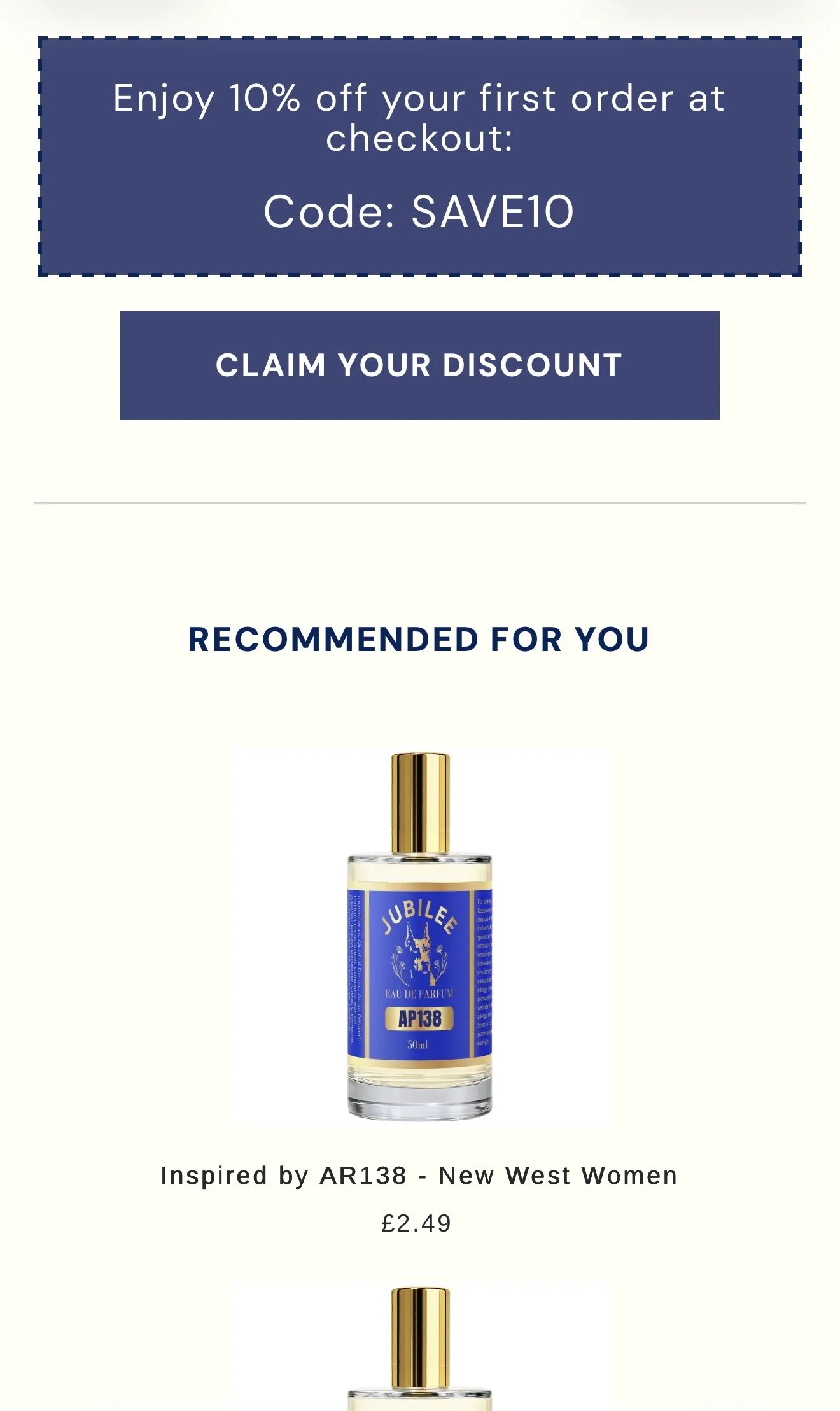
THE TAKEAWAY;
A campaign gets you one sale. An automated flow gets you the next hundred. Build the infrastructure first.
3. YOUR EMAIL LIST IS AN ASSET. YOUR SOCIAL FOLLOWING IS NOT
Every platform you do not own can change the rules overnight. Instagram can cut your reach. TikTok can disappear. Meta can raise ad costs until your margins collapse. None of that affects your email list.

Your list belongs to you. No algorithm decides whether your message gets delivered. Customer acquisition costs have tripled since 2019. The brands least exposed to that pressure are the ones that built owned audiences early.
How To Use It;
Clean your list every 90 days. Remove subscribers who have not engaged in six months. A smaller, engaged list outperforms a large, disengaged one in deliverability and revenue per send.Use click rate, not open rate, as your primary engagement metric. Apple's Mail Privacy Protection has made open rates unreliable for most lists since 2021.Treat list growth as a weekly operational habit, not a quarterly goal. Set a number, build CTAs around hitting it, and review it every Monday.
example;
Graza, the olive oil brand, launched in 2022 with a newsletter before it launched a product. By the time the squeeze bottle hit shelves, it already had a direct relationship with an audience that understood why it existed. Its email list was the asset that kept the customer relationship direct, personal, and platform-independent. The brand reached $40 million in revenue by 2025 largely on the strength of owned channels built from day one.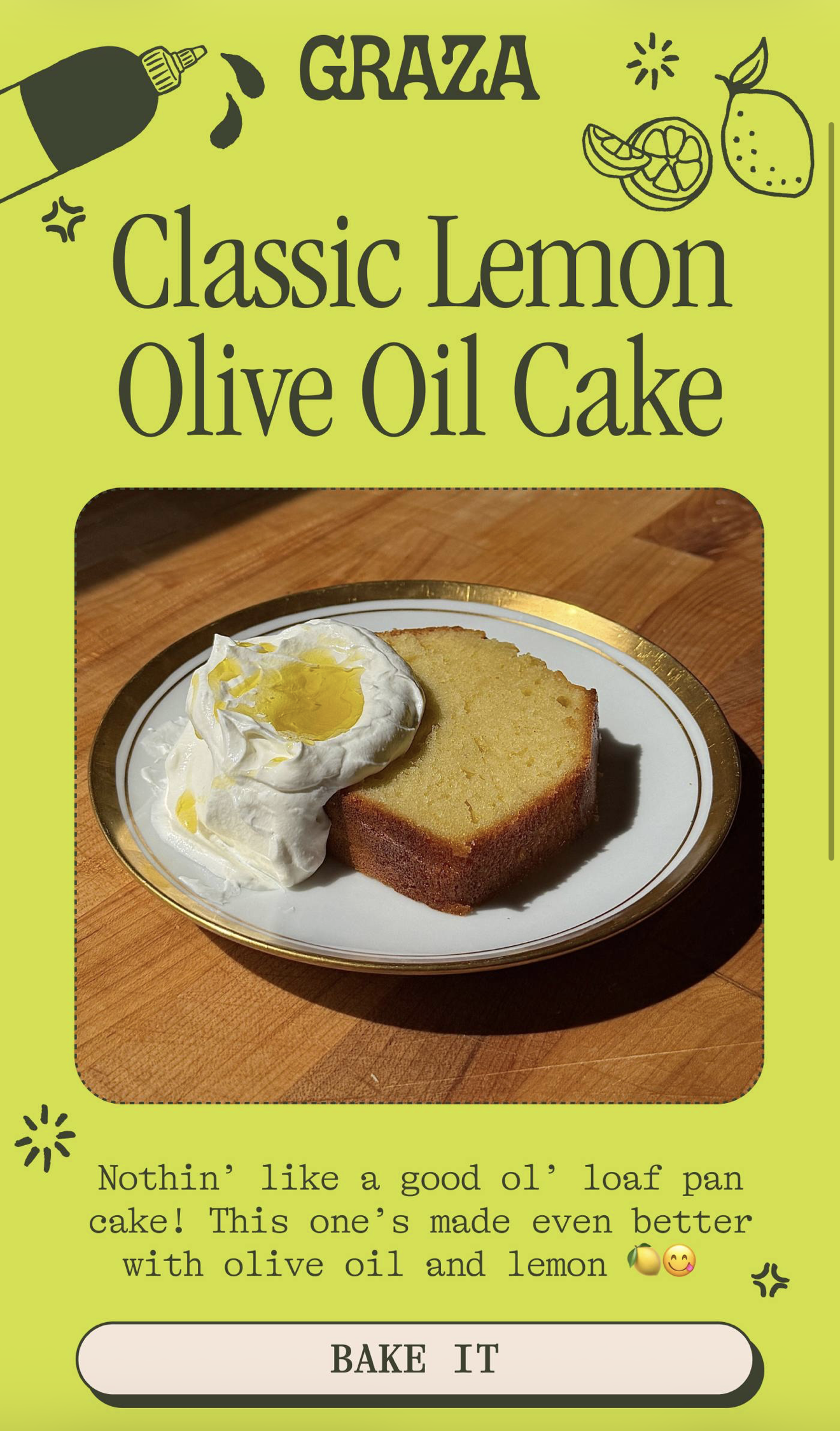
THE TAKEAWAY;
Social reach is rented. Email is owned. Build the asset that no platform can take away from you.4. SENDING THE SAME EMAIL TO EVERYONE IS LEAVING MOST OF YOUR REVENUE BEHIND
The instinct is to watch Nike and McDonald's and think: different scale, different rules.

The principles are identical. Identity over features. Human stories over product claims. Systems over one-off moments. These are not budget decisions. They are strategic ones.

The World Cup is the most concentrated version of what good marketing looks like at any scale. The lessons belong to every brand willing to apply them.
try this;
Start with three segments: active buyers, one-time purchasers, and subscribers who have never bought. Each group needs a different message and a different goal.Add a VIP segment for your highest-value customers. Give them early access, exclusive content, or first look at new products. Retention is five to seven times cheaper than acquisition.Build a win-back sequence for inactive subscribers before removing them. A simple two-email sequence asking "are you still interested?" recovers a meaningful percentage before you clean the list.
example;
Wuffes, a US dog supplement brand, segments its email list by purchase history and sends educational content specifically to customers who bought joint health products. Rather than blasting its full list with promotions, it targets subscribers based on what they have already shown they care about. The result is a retention programme where emails feel like a natural follow-on to what a customer already bought, not an interruption. 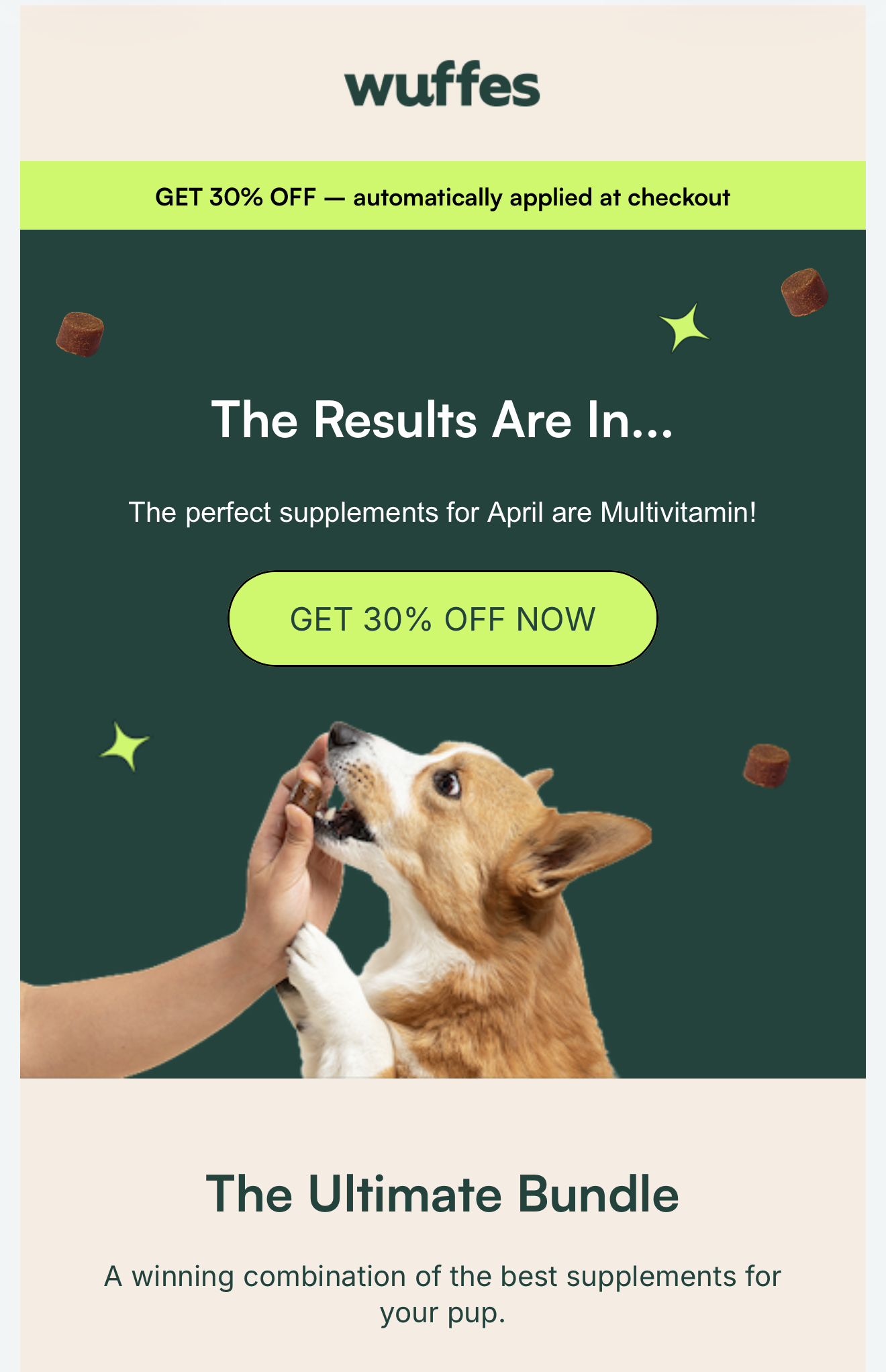
THE TAKEAWAY;
The right email to the right person outperforms the best email to everyone. Segmentation is not a technical detail. It is where most of the revenue lives.
Email is not exciting. It does not trend. Nobody posts about their open rates.

But it returns $42 per dollar spent, reaches every person on your list, and belongs entirely to you. No algorithm, no platform, no ad auction required.

The brands building something durable are not chasing the next channel. They are investing in the one that has outperformed everything else for thirty years.