5 min READING TIME
Brand collabs are basically dating for brands. Some are a perfect match, others a situationship that goes nowhere. And the past two weeks served up three very odd couples.

A dating app picked a creator who has publicly said she hates dating apps. A hand sanitizer borrowed a coffee cup. A fast food chain borrowed a Christmas movie.

Strange on paper, but not random. The difference between a match and a situationship often comes down to chemistry. Here are the three green flags the best brand collabs have in common, and how to spot them before you say yes.
The chemistry check: 3 green flags:
They share a crowd, not a categoryThey have a reason to existThey think past launch day
1. THEY SHARE A CROWD, NOT A CATEGORY
The best collabs start with who's buying, not just who's famous. Two brands that serve the same kind of person in different categories can introduce themselves to each other's customers without competing.

When you're weighing a brand collaboration, check three things: the message, the audience and the goal. If one is off, a big name may not save it.
WHAT DOES THIS MEAN FOR YOU?:
A partner your customers already follow can say out loud what they're already thinking.Your ideal partner may already be in your customers' bags, feeds or fridges.
example:
Bumble, looking to appeal to Gen Z users who are increasingly ditching dating apps, partnered with creator Alix Earle on a two-minute film with comedian Pete Davidson. Earle has often said she dislikes dating apps, and the ad pokes fun at exactly that, so skeptical Gen Z singles may see themselves in it. It was made with OBB Bolded and runs on Bumble's platforms, TV and outdoor ads in New York and Miami. [Marketing Dive, 2026]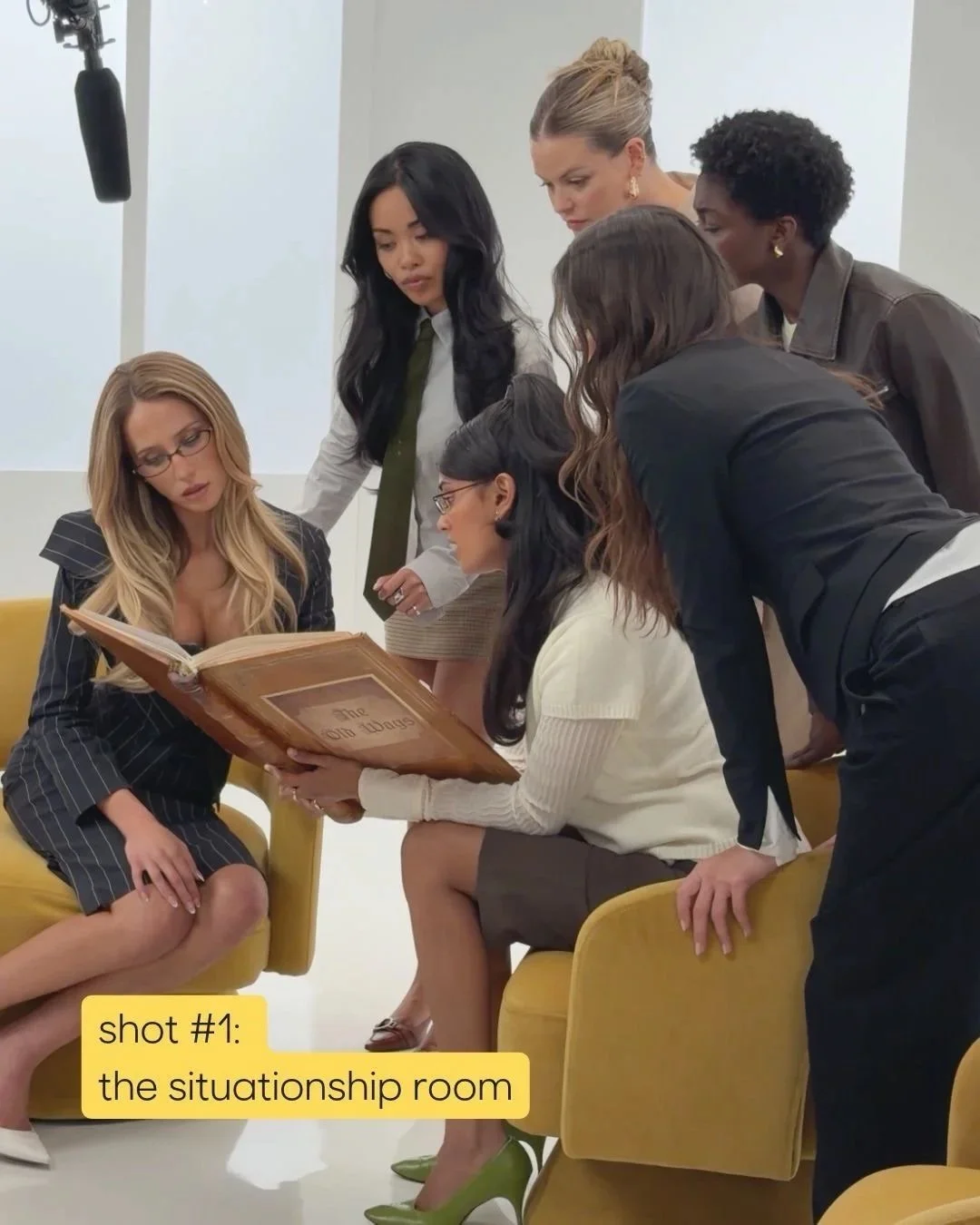
HOW TO MAKE IT WORK:
Look at who already buys from you, then list the brands and creators those same people love.Ask your customers which brands they'd love to see you team up with, in a short email survey.Test the match with something small, like a joint giveaway or a co-hosted post, before you plan a full brand partnership.
THE TAKEAWAY:
The best partner isn't the biggest name. It's the one your crowd already knows.
2. THEY HAVE A REASON TO EXIST
They also make something that wouldn't exist without both brands. A product that just carries two names is easy to scroll past; one that blends what each brand does best can be harder to ignore.

Here's a quick test: could you swap in a different partner and still have the same collab? If so, you probably have a pairing, not a reason. Good collabs answer “why these two?” before anyone has to ask.
WHAT DOES THIS MEAN FOR YOU?:
A logo swap borrows attention, while something made together gives people something to talk about.The reason can be small: a scent, a shape, a flavour or a ritual only these two brands could make.
example:
Touchland, best known for its upscale hand sanitizers, teamed up with Starbucks on a limited-edition set that pairs a Peppermint Mocha hand sanitizer with a Bearista hand mist case. It retails for $24.95 and went on sale online on November 20, with coffeehouses to follow on December 1. One brand brought the sanitizer and the scent, the other brought a viral cup people already love. [USA Today, 2026]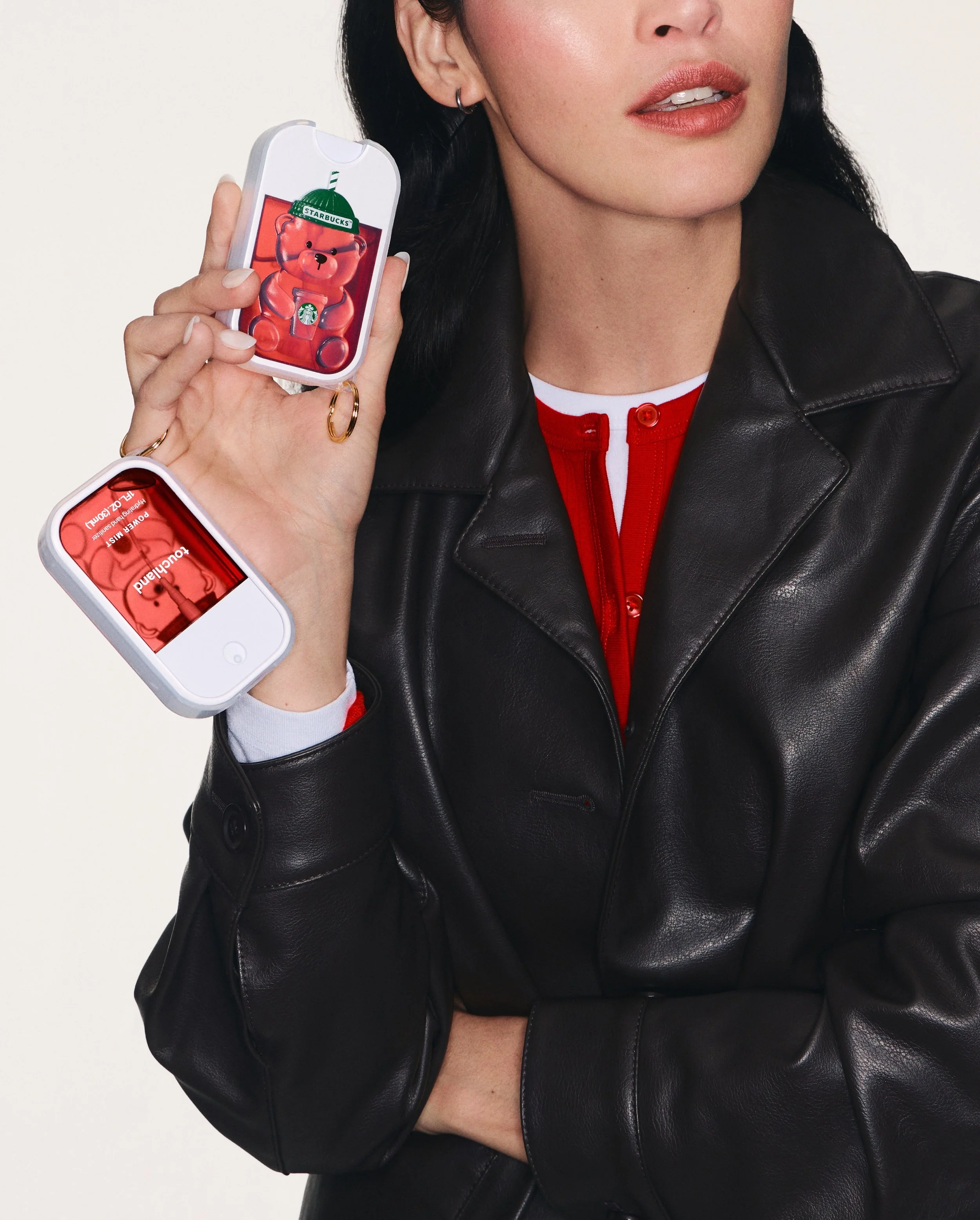
HOW TO MAKE IT WORK:
Start from what your audience already loves about each brand, then build one product, flavour or experience around it.Show the making of it in your content: who made it, how, and why this pairing.Invite your first buyers to show how they use it, and turn their posts into content for both brands.
THE TAKEAWAY:
Two logos get a glance. A reason to exist gets a second look.
3. THEY THINK PAST LAUNCH DAY
And they treat launch day as the beginning, not the finish line. A collab that lives in a single post can be over by the next scroll.

The fix is deciding early what happens on day two, day ten and day thirty. Seeing the same idea in a post, an email and an event makes a collab feel bigger than any single piece of it.
WHAT DOES THIS MEAN FOR YOU?:
The ad is only one piece: the product, the events and the follow-up should all tell the same story.You don't need a big budget to do this: a pop-up, an email series and a few posts can carry a small brand's collab.
example:
McDonald's Canada launched its Home Alone Meal on November 24, with collectible socks and menu items inspired by the film, and brought Macaulay Culkin back as Kevin McCallister for the campaign. The meal is just part of it: there was a Home Alone fan event in Toronto from November 20 to 22, and weekly surprises in the McDonald's app start on launch day. The release says the fun doesn't stop with the meal and runs all season long. [McDonald's Canada, 2026]
HOW TO PASS IT:
Map the whole rollout on a campaign calendar before launch day: teaser, launch, in-person moment and follow-up.Give people a way to come back after launch, like a weekly surprise in your app, your inbox or your social feed.Add one real-life moment, like a launch party or a workshop, so people can meet the collab in person at a brand event.
THE TAKEAWAY:
The launch gets the attention. The plan is what makes it last.
FREQUENTLY ASKED QUESTIONS
Do collabs only work for big brands?
Not necessarily. Smaller brands can bring a loyal community or a fresh idea, and a well-matched partner can widen their reach, so start small and see how both audiences respond to the idea.How do I know if a collab worked?
Look beyond sales: new followers, email sign-ups, press and the doors it opens for future partners all count. Pick the one that matters most before you launch, so your team knows the goal.
Before you slide into another brand's DMs, run a quick chemistry check. Finish this sentence: “This only works if we do it together because...”

If it comes easily, you've got a match. If you have to stretch for it, you're probably looking at a situationship, and at least you found out before you said yes.