COLLABORATION ECONOMY: WHY COMMUNITY IS THE FUTURE OF BUSINESS
When Stanley and Starbucks dropped a co-branded tumbler, it sold out in minutes. When Loewe partnered with Studio Ghibli, it broke the internet. These weren’t desperate moves — they were calculated plays by brands that get one thing: your next audience might already belong to someone else.

The fastest-growing brands right now aren’t just competing harder. They’re collaborating smarter.

Audiences are fragmented, ad costs are rising, and organic reach is tougher than ever. Smart brands are building ecosystems instead of going solo, partnering with others who share their audience and values.

The result: stronger visibility, shared credibility, and growth that feels natural.

Here’s how collaboration is reshaping modern growth.
1. TRUST TRANSFERS FASTER THAN ATTENTION
Getting attention online is difficult. Building trust takes even longer.

Collaborations accelerate that process. When you partner with a brand your audience already respects, part of that credibility transfers to you immediately. Instead of convincing people from zero, you are being introduced through a relationship they already believe in.

This is why partnerships often outperform traditional advertising. You are not interrupting someone’s feed. You are entering their world through a trusted brand.
Try this;
Identify brands your customers already buy from or followLook for shared values, aesthetics, or audiencesStart with a simple collaboration like a giveaway, bundle, or co-created drop
example;
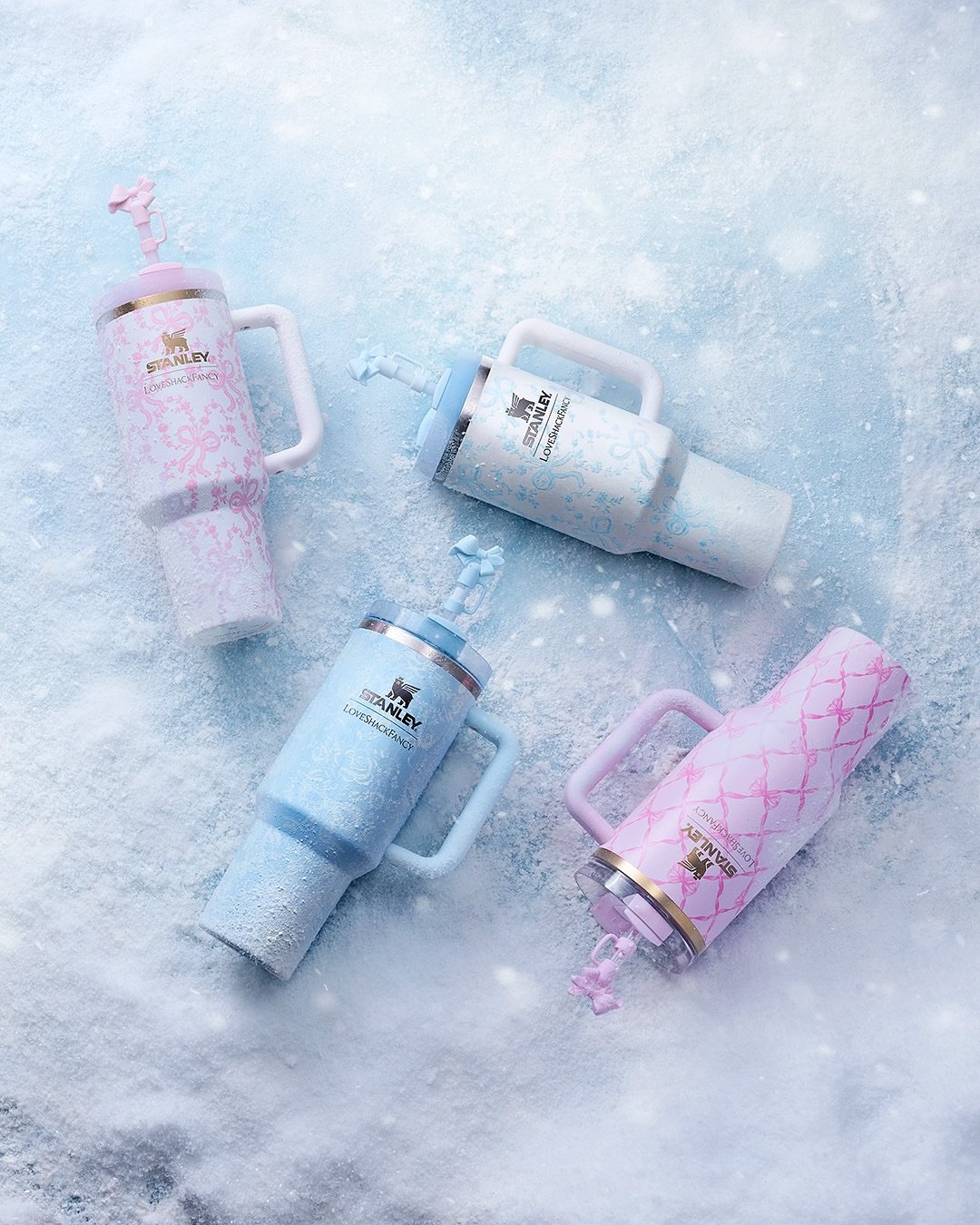
The collaboration between Stanley and LoveShackFancy is a perfect example. The limited edition tumblers combined Stanley’s cult favourite product with LoveShackFancy’s romantic aesthetic. The launch sold out quickly and generated massive online buzz because both audiences already trusted the brands behind it.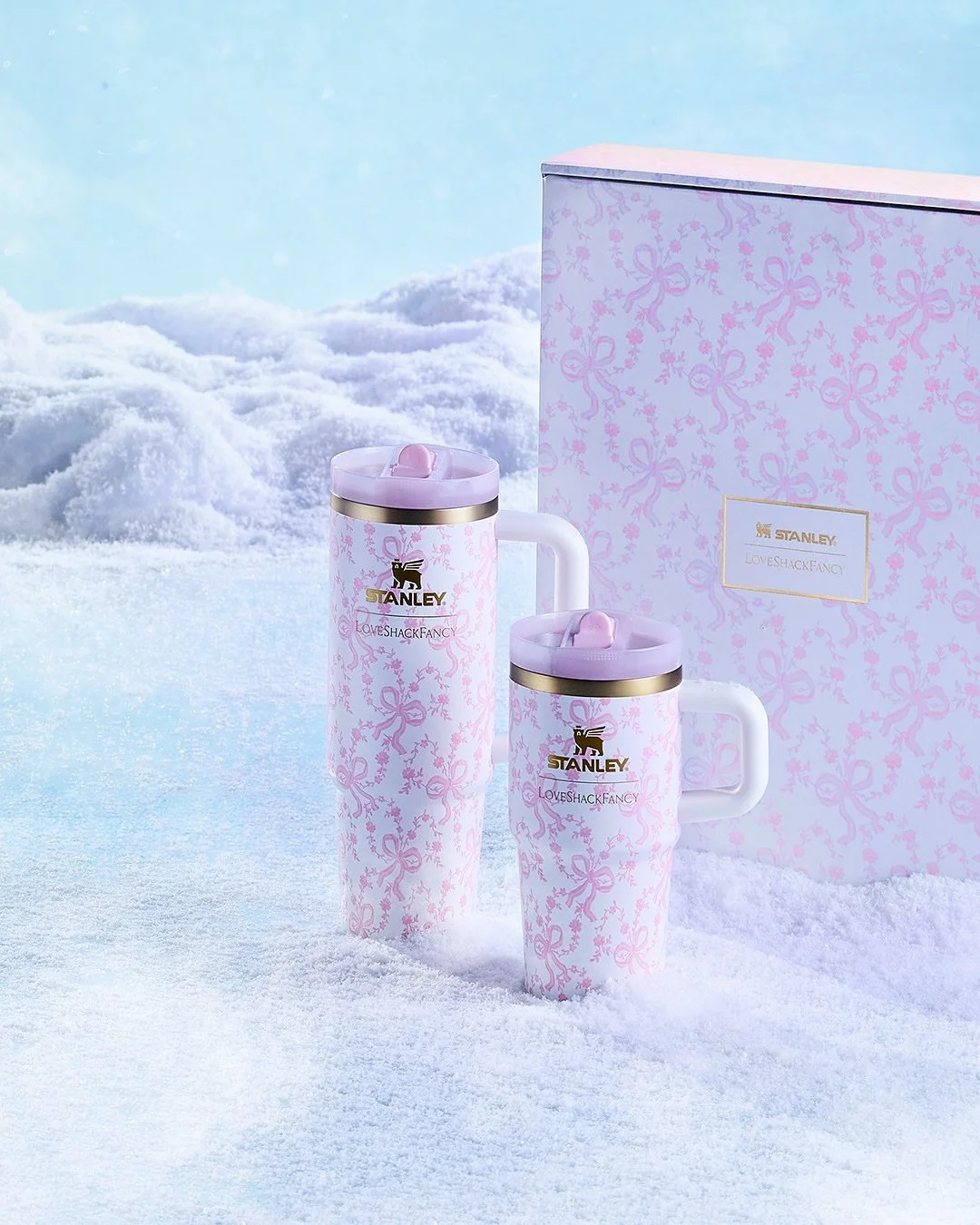

THE TAKEAWAY;
Trust travels faster when it moves through the right partnership.
2. UNEXPECTED PAIRINGS CREATE BIGGER MOMENTS
The collaborations people remember are rarely the obvious ones.

Unexpected brand pairings create curiosity. When two different worlds collide, audiences pause to figure out how the partnership works. That surprise factor often generates more attention than a traditional campaign.

For brands, this means collaborations are not just about shared audiences. They are also about creating moments people want to talk about.
Try this;
Look outside your category for brands with a similar audienceFocus on shared lifestyle rather than similar productsTurn the collaboration into a limited edition moment
example;
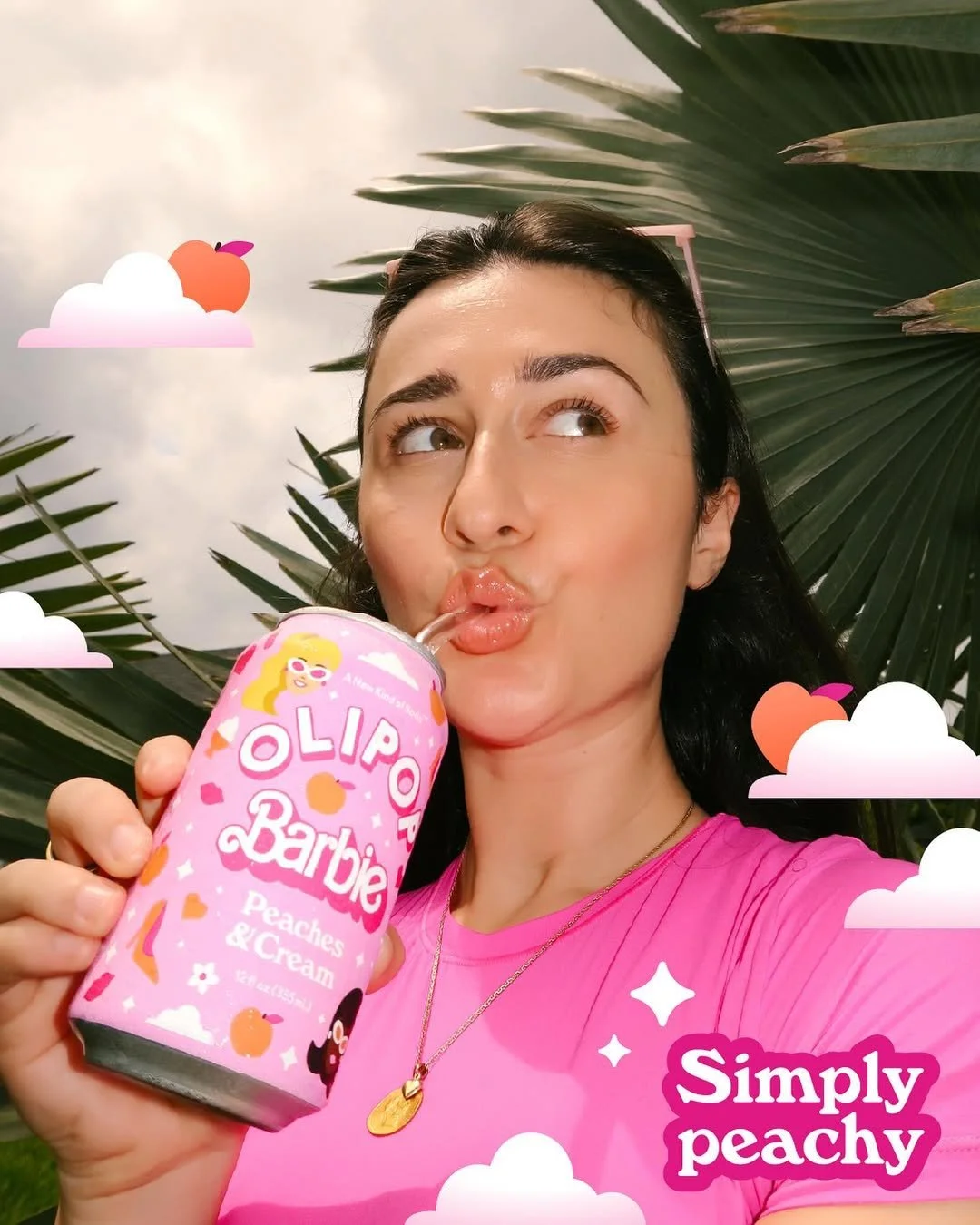
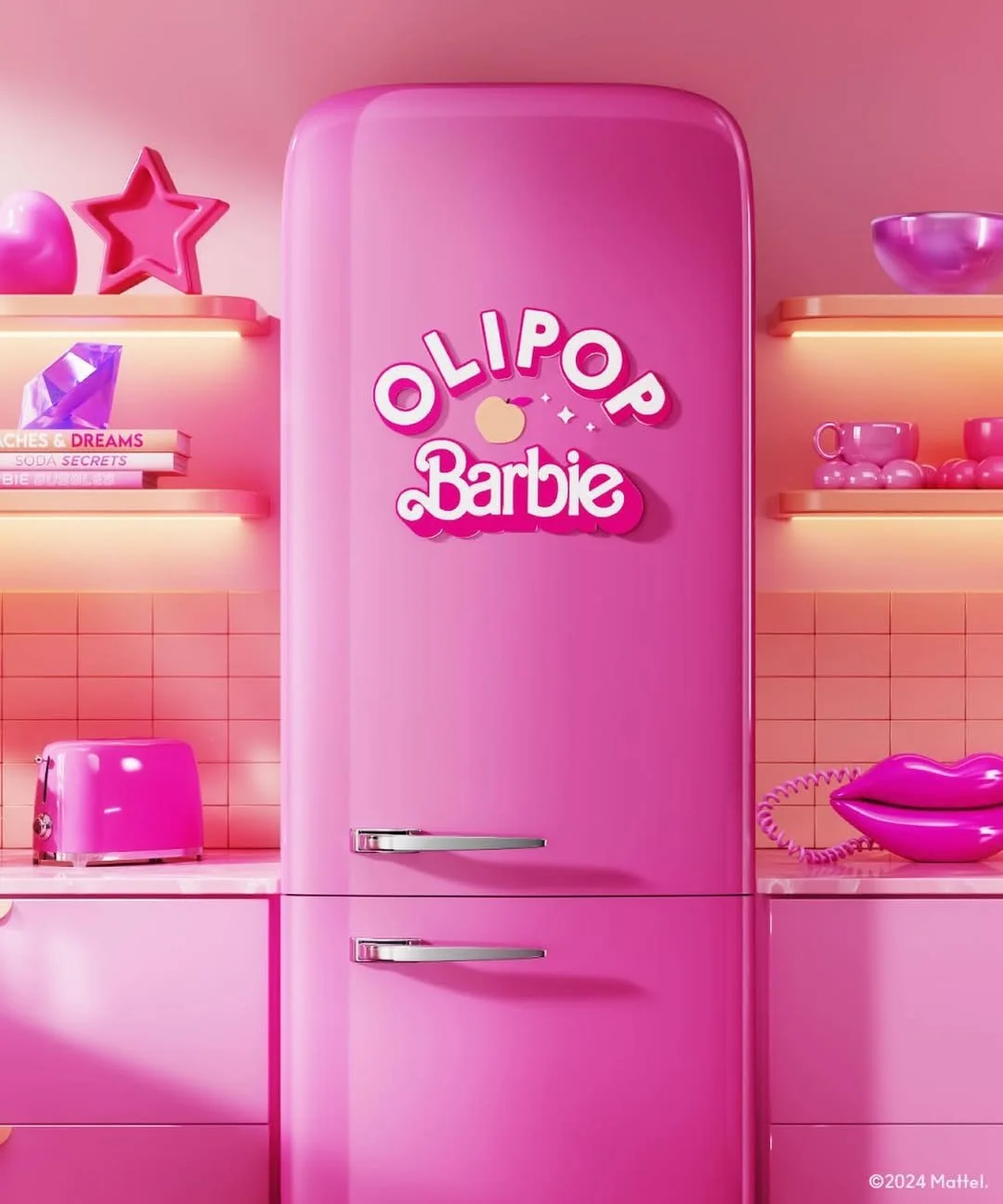
Functional soda brand Olipop teamed up with Barbie to release a Peaches & Cream limited edition soda. The crossover between a nostalgic pop icon and a better-for-you drink created huge online buzz and turned a simple product into a collectible moment.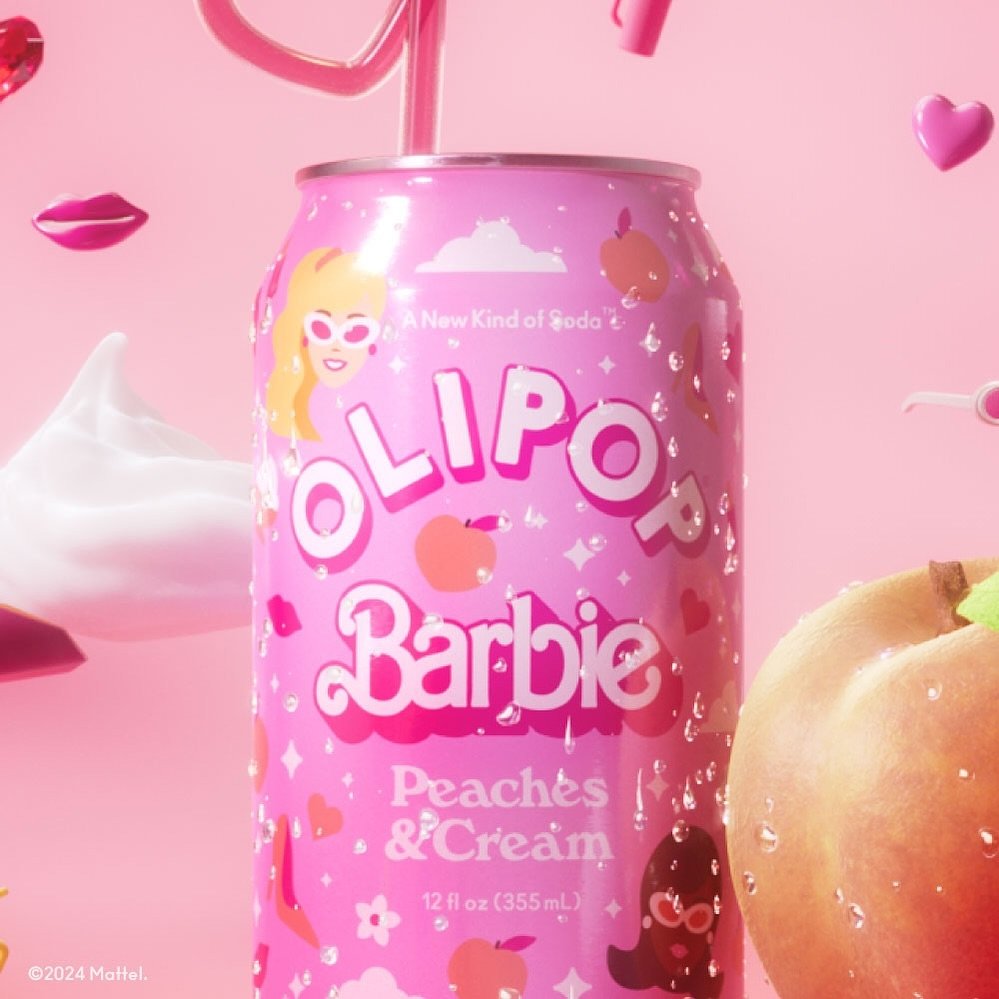
THE TAKEAWAY;
The more unexpected the pairing, the more people pay attention.
3. TWO AUDIENCES ARE BETTER THAN ONE
Growing an audience organically takes time.

But collaborations allow brands to step into each other’s communities almost instantly. When two brands partner, they don’t just share a product — they share visibility, credibility, and cultural relevance.

For emerging brands especially, the right collaboration can introduce you to an entirely new audience that already trusts the partner brand.
try this;
Partner with a brand that shares a similar audience but a different product categoryCo-create content that appears on both brands’ channelsMake the collaboration feel natural for both communities
example;
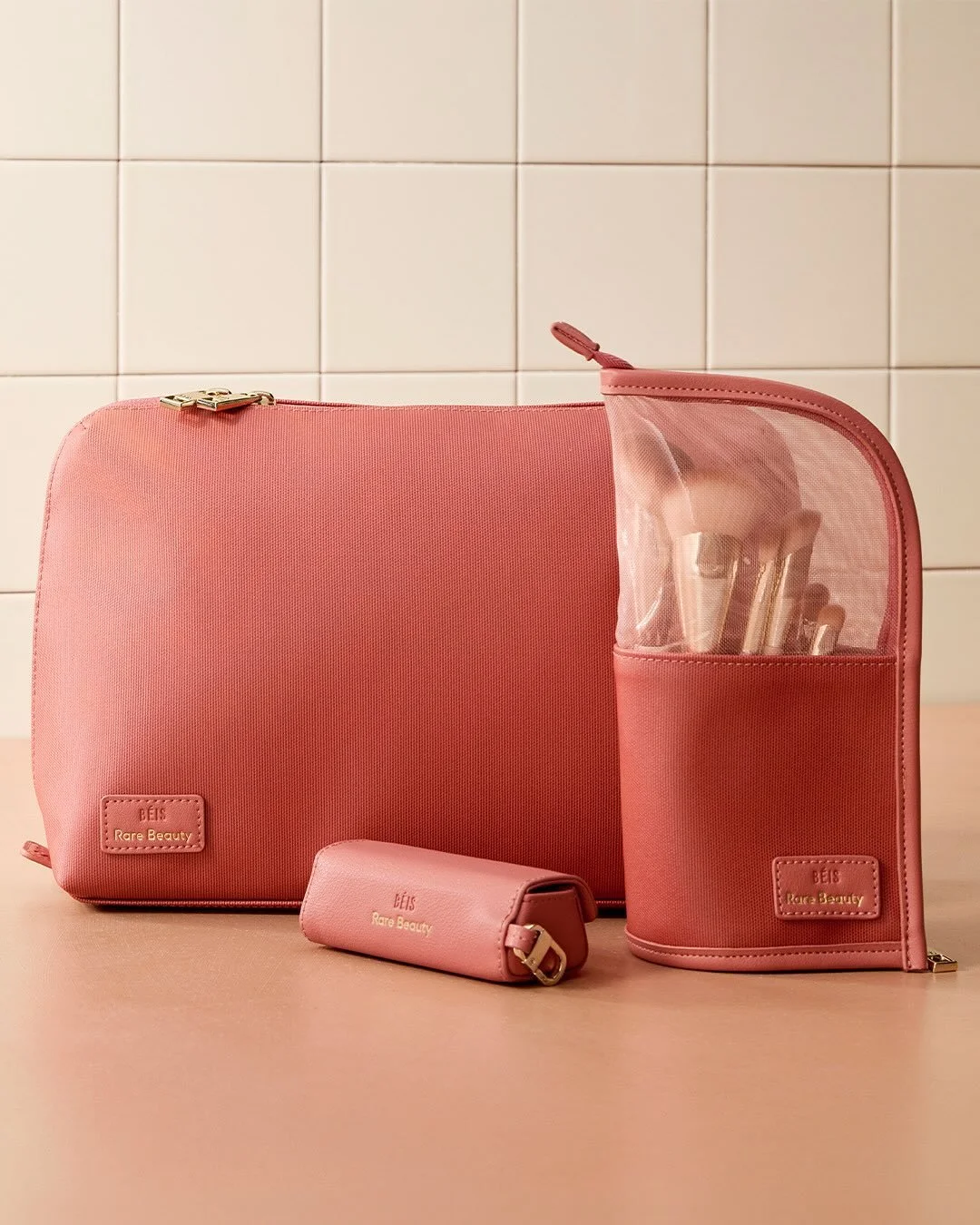
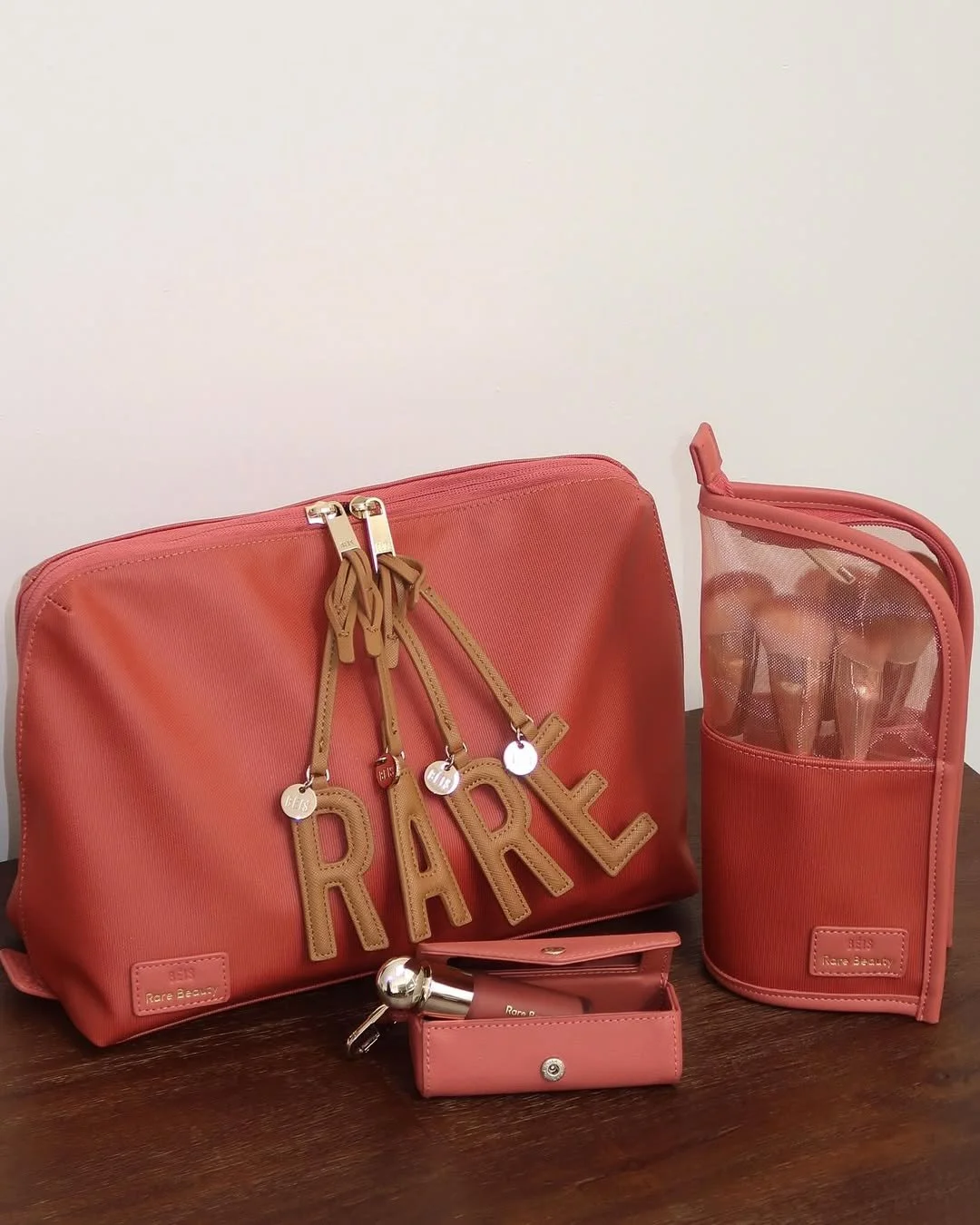
A great example is the collaboration between Béis and Rare Beauty.

The partnership brought together travel and beauty, two categories that naturally overlap for many consumers. By collaborating, both brands were able to appear in each other’s ecosystems, introducing their products to audiences who were already primed to be interested.

It wasn’t just about the product. It was about sharing audiences in a way that felt aligned with how people actually live and travel.
THE TAKEAWAY;
The right collaboration doesn’t just launch a product, it opens the door to a whole new audience.4. CO-CREATED PRODUCTS FEEL MORE AUTHENTIC
People are quick to recognise when a collaboration is just a marketing stunt.

What feels different is when two brands genuinely build something together. Co-created products signal that both brands invested creativity into the partnership, which makes the collaboration feel more meaningful.

Instead of promotion, it becomes a shared project.
try this;
Design a product, collection, or concept together with a partner brandMake sure both brands influence the design, storytelling, and positioningShare parts of the creative process with your audience
example;
A strong example is the partnership between Nike and SKIMS.

Instead of releasing a traditional capsule collection, the brands introduced a joint label: NikeSKIMS. Nike brings its performance technology and global sports infrastructure, while SKIMS contributes its design approach, branding power, and strong connection with female audiences.

Rather than simply promoting each other, both brands are building something together from the ground up, which makes the collaboration feel intentional and credible.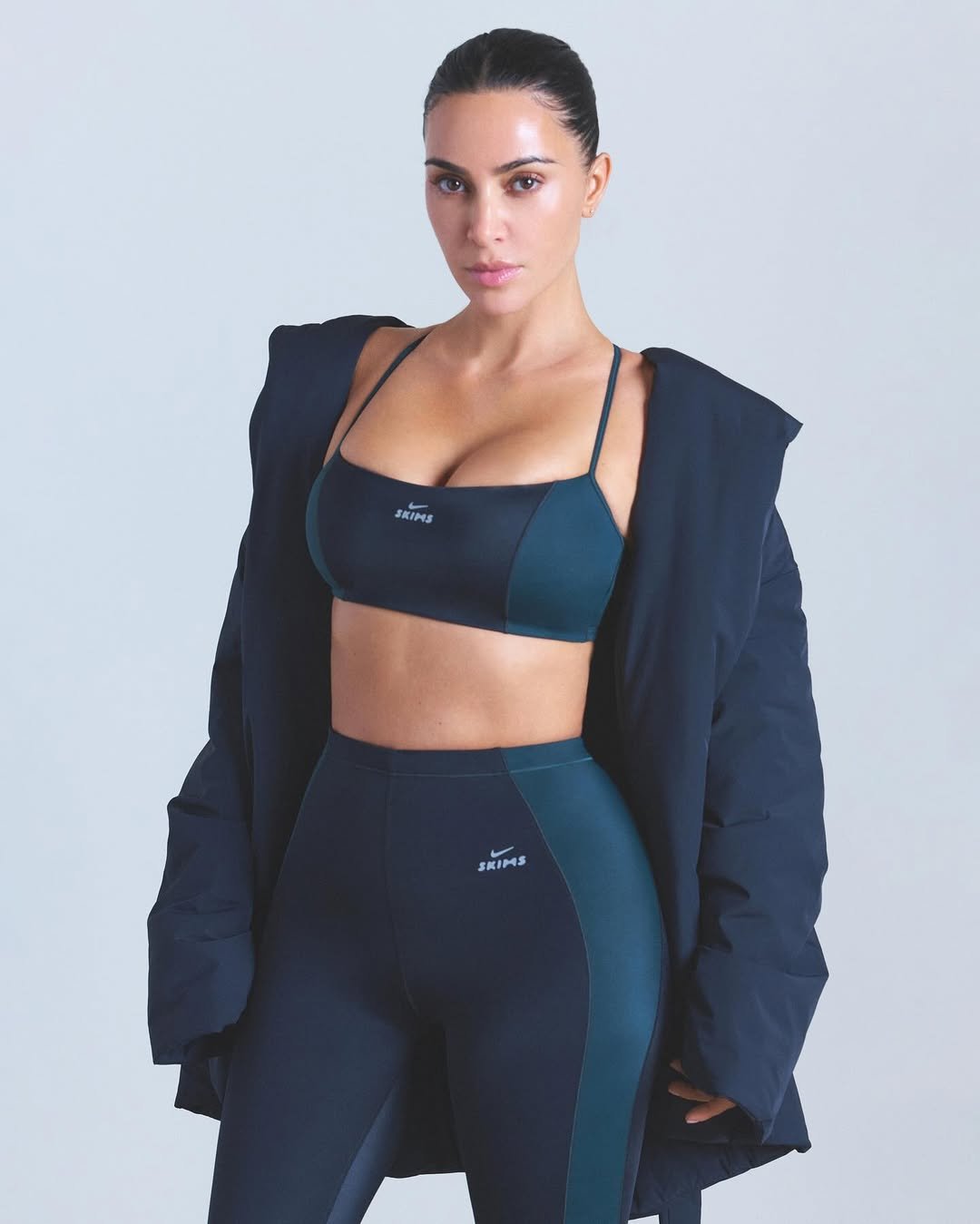


THE TAKEAWAY;
The best collaborations create something new, not just something sponsored.5. COMMUNITY IS THE REAL COMPETITIVE ADVANTAGE
One of the biggest shifts happening in marketing right now is the move from competition to community.

Brands that collaborate regularly become part of a larger ecosystem. They appear alongside other brands their audience already loves, which strengthens credibility and keeps them present in cultural conversations.

For smaller brands especially, collaboration is often the fastest way to expand visibility without huge advertising budgets.

Instead of trying to dominate alone, brands grow by building networks.
try this;
Map the brands, creators, and communities your audience already followsLook for partnership opportunities that feel naturalThink long term collaborations instead of one-off campaigns
example;
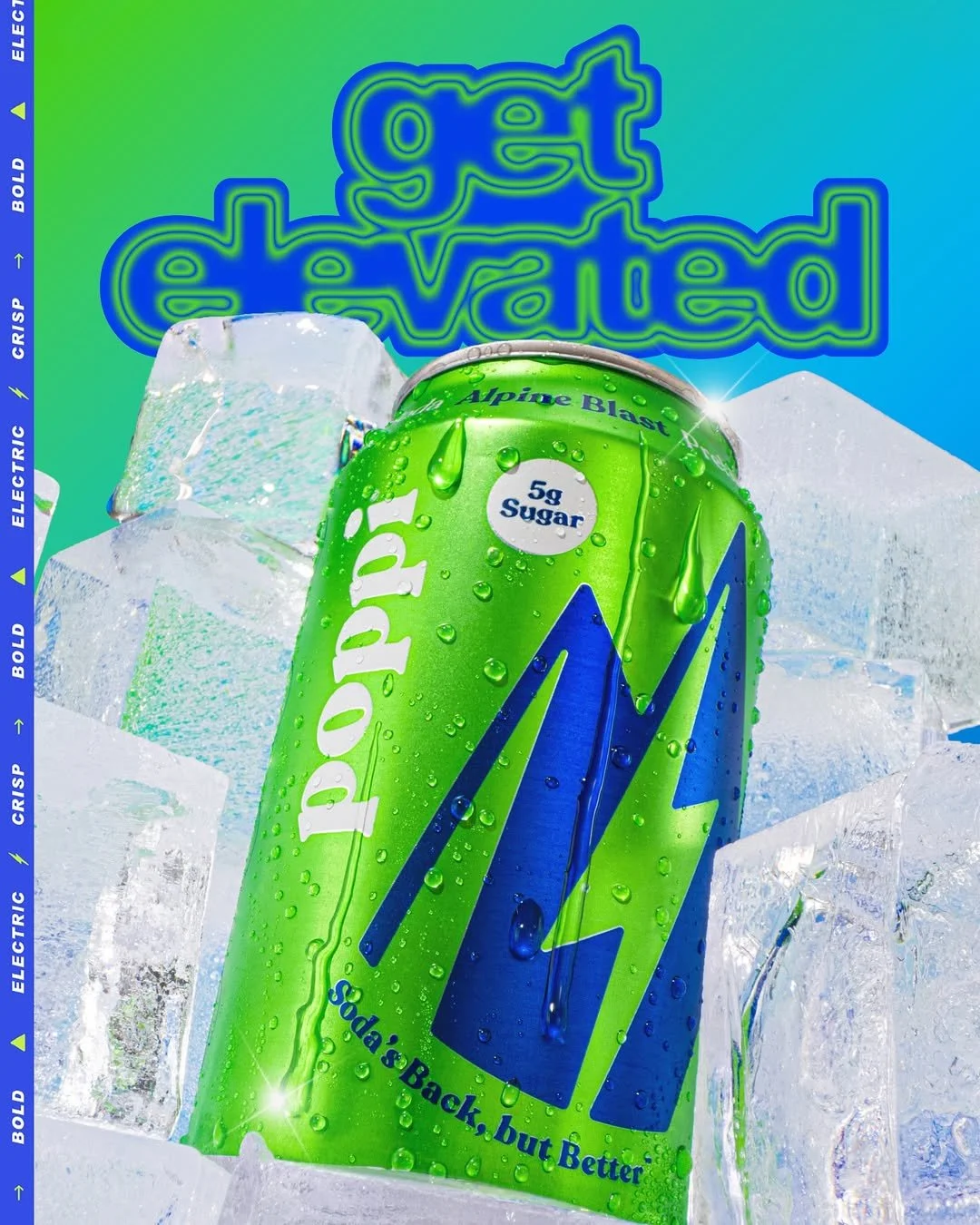
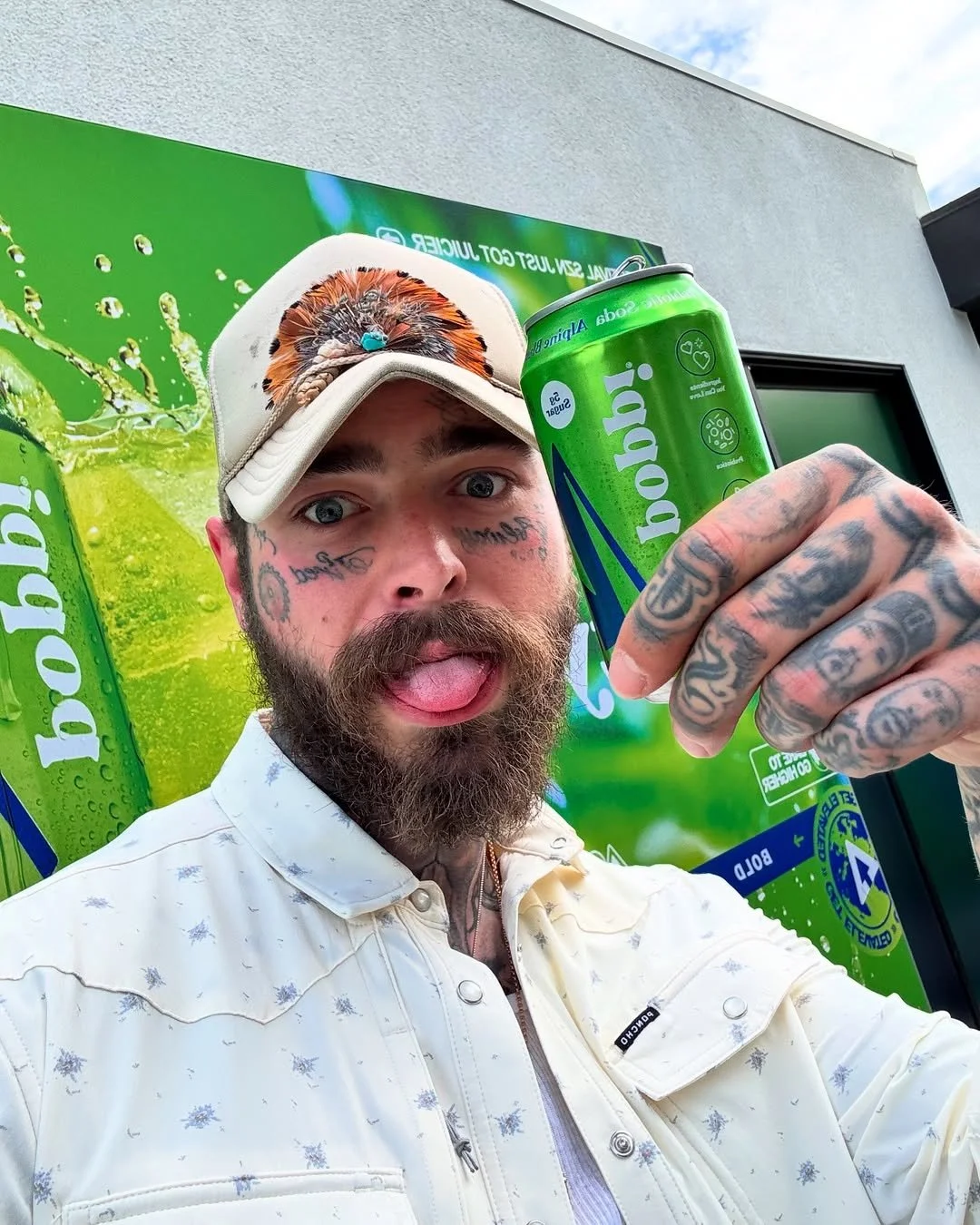
Poppi partnered with Post Malone on a limited edition beverage that felt like a co-created product rather than a traditional celebrity endorsement. Fans embraced it as something the artist genuinely supported, which drove massive engagement and quick sellouts.
THE TAKEAWAY;
The brands that grow fastest are rarely building alone.
The brands growing today aren’t doing it alone.

They’re building with creators.
Designing with partners.
And inviting their communities into the process.

Collaboration isn’t just a marketing tactic anymore. It’s becoming a growth model.

For emerging brands especially, the real advantage isn’t scale. It’s proximity — the ability to build relationships, create together, and move with your community.

When people feel part of what you’re building, they don’t just watch your brand grow.

They help grow it. ✨