5 MUST-HAVES FOR MODERN MARKETING CREATIVES

Spend a few days inside a marketing team and you start to see the same pattern.

Ideas pop up while someone is scrolling.
A trending format sparks a campaign concept.
A reference gets saved for “later”.

Then the content calendar is due and suddenly everyone is trying to remember what those ideas were.

Modern marketing creativity rarely breaks down because people are not creative. It breaks down because ideas, production, and publishing are not organised around a clear system.

The brands producing strong content consistently are not just creative. They are structured. They capture ideas before they disappear, organise campaigns clearly, and build habits that keep the creative process sustainable.

Here are a few must-haves modern marketing creatives rely on today.
1. A SYSTEM FOR CAPTURING IDEAS
Most content ideas appear when you are not actively planning content.

They show up while scrolling, watching another campaign, or noticing a format that suddenly appears everywhere.

Without a place to capture them, those ideas disappear quickly. That is why many marketing teams keep a shared idea library where hooks, content formats, campaign references, and visual inspiration are saved continuously.

Over time, this becomes a resource the team can return to when planning new content.
Try this;
Keep a shared document or board for campaign and content ideasSave posts that make you stop scrolling and note what workedReview the list when planning your next content cycle
Example;
Many teams organise their idea banks using tools like Notion where hooks, references, and campaign concepts can be saved in one place.

Social teams behind brands like Duolingo are known for reacting quickly to internet trends, something that only works when ideas and references are constantly being captured.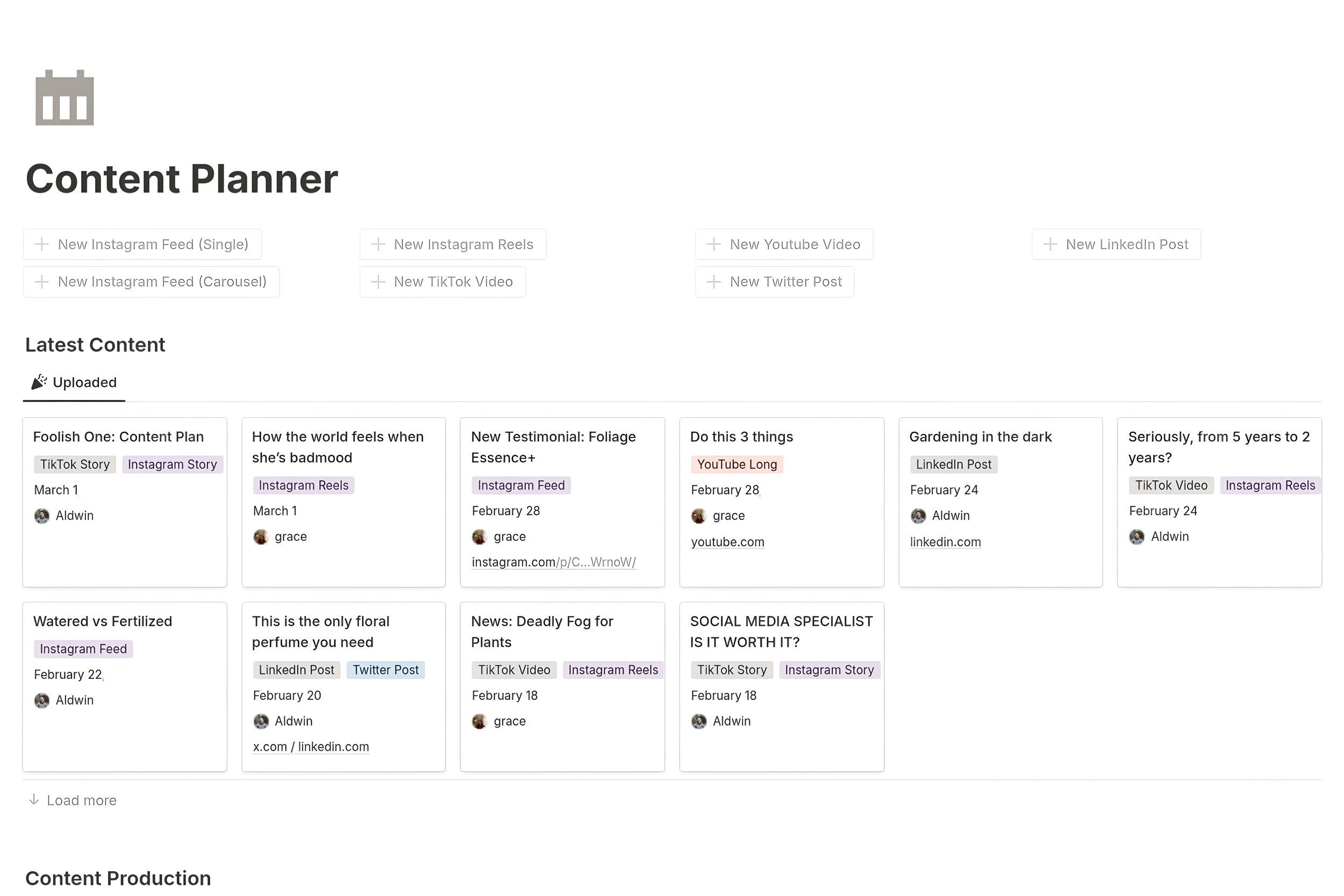
THE TAKEAWAY;
Good ideas appear randomly. Capturing them ensures they are not lost.
2. A CONTENT PLANNING SYSTEM
Consistency is still one of the strongest signals for growth online.

Audiences trust brands that appear regularly, and platforms reward accounts that publish consistently rather than occasionally.

But consistency rarely happens without planning.

Most marketing teams work with content pillars and themes that guide what they post. Instead of deciding every post from scratch, the team works within a structure that reflects the brand’s expertise.

Planning does not remove creativity. It makes consistent creativity possible.
Try this;
Define three or four core content pillars for your brandPlan posts in batches rather than deciding dailyLeave room in the calendar for reactive or trending content
example;
Teams often organise their content calendars using platforms like Later where posts can be visualised weeks in advance.

Brands such as Glossier consistently rotate between product education, community content, and lifestyle storytelling, creating a feed that feels varied while staying on brand.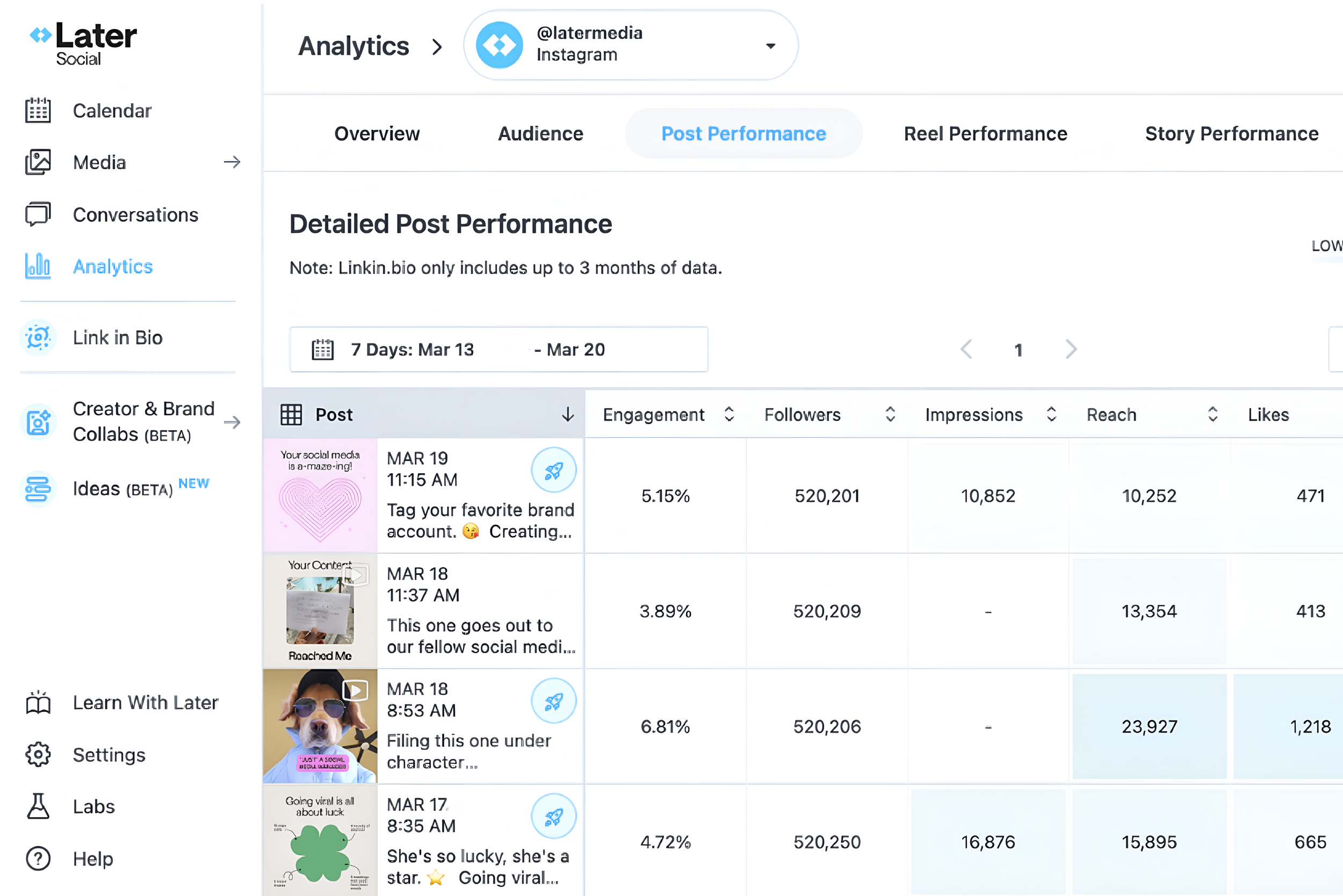
THE TAKEAWAY;
Consistency becomes easier when creativity lives inside a plan.3. PROJECT MANAGEMENT TOOLS THAT KEEP CREATIVE WORKFLOW CLEAR
As content output grows, ideas and calendars alone are not enough. Teams also need visibility into the creative process.

Campaigns move through multiple stages. Concepts, copywriting, design, approvals, and publishing. Without a clear workflow, tasks get lost and deadlines become stressful.

Project management tools allow creative teams to track where each piece of content is in the process and who is responsible for it.

Instead of scattered conversations, the entire workflow becomes visible.
try this;
Use a shared board to track content stages from idea to publicationAssign responsibilities for copy, design, and approvalsKeep campaign timelines visible to the entire team
example;
Marketing teams commonly organise campaigns using platforms like Trello or Asana where tasks, deadlines, and responsibilities are clearly tracked.

Large creative teams behind brands like SKIMS rely on structured internal workflows to manage their frequent product launches and campaigns.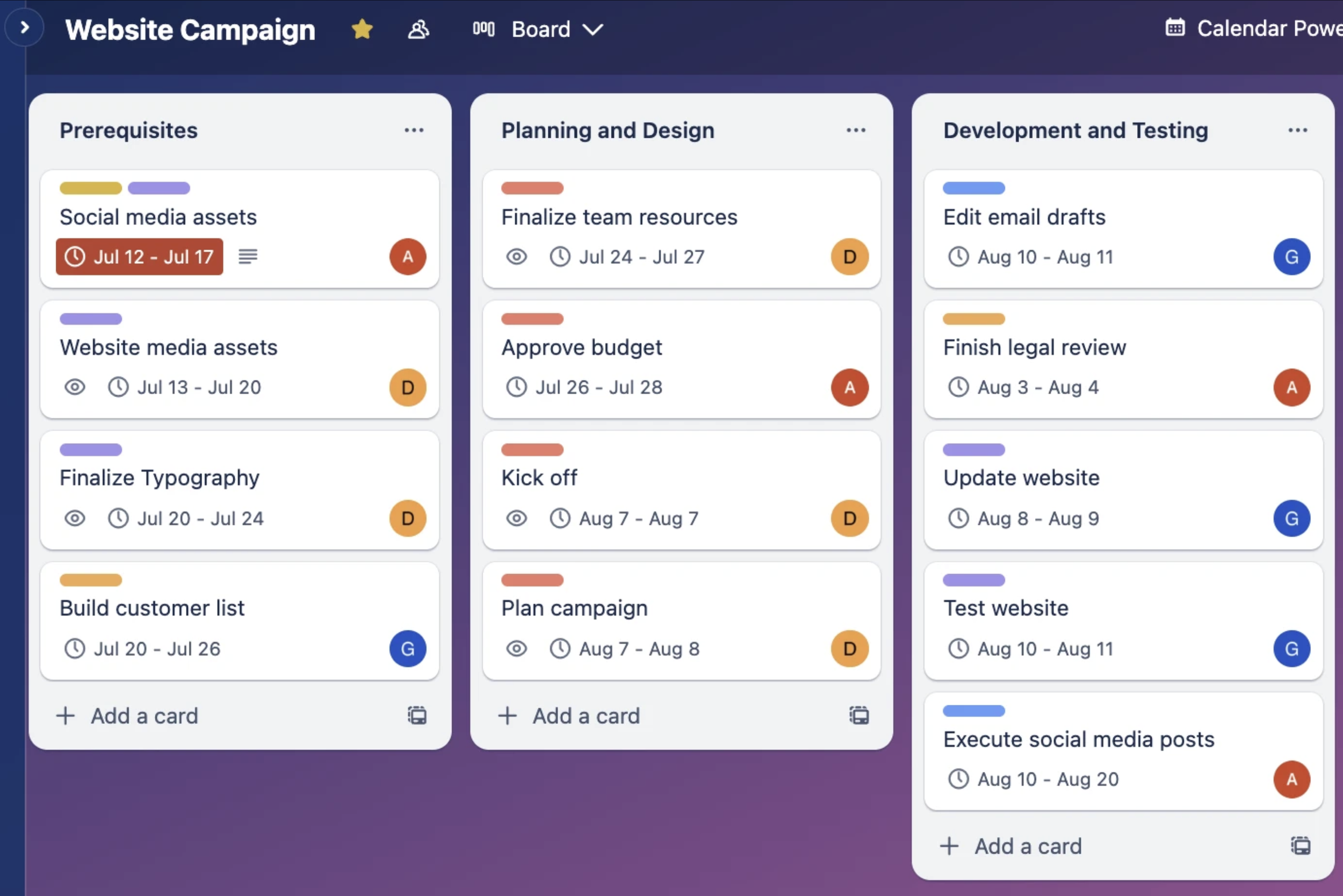
THE TAKEAWAY;
Creative work moves faster when the workflow around it is clear.4. CONTENT BATCHING TO PROTECT CREATIVE ENERGY
Creating content every day can quickly exhaust a team.

Many marketing creatives solve this by batching content production instead of producing each post individually.

Batching means recording, designing, or writing multiple pieces of content in a single session. This allows teams to stay focused on one type of task instead of constantly switching between planning, filming, editing, and posting.

Once the content is ready, scheduling tools help organise when everything will go live.
try this;
Plan dedicated content production days each monthFilm or design multiple pieces of content during one sessionSchedule posts in advance so publishing becomes automatic
example;
Teams often organise their publishing calendars through platforms like Rella which allow posts to be scheduled across platforms.

Many fast-growing brands such as Rhode regularly batch-produce social content during campaign shoots, ensuring they have weeks of material ready.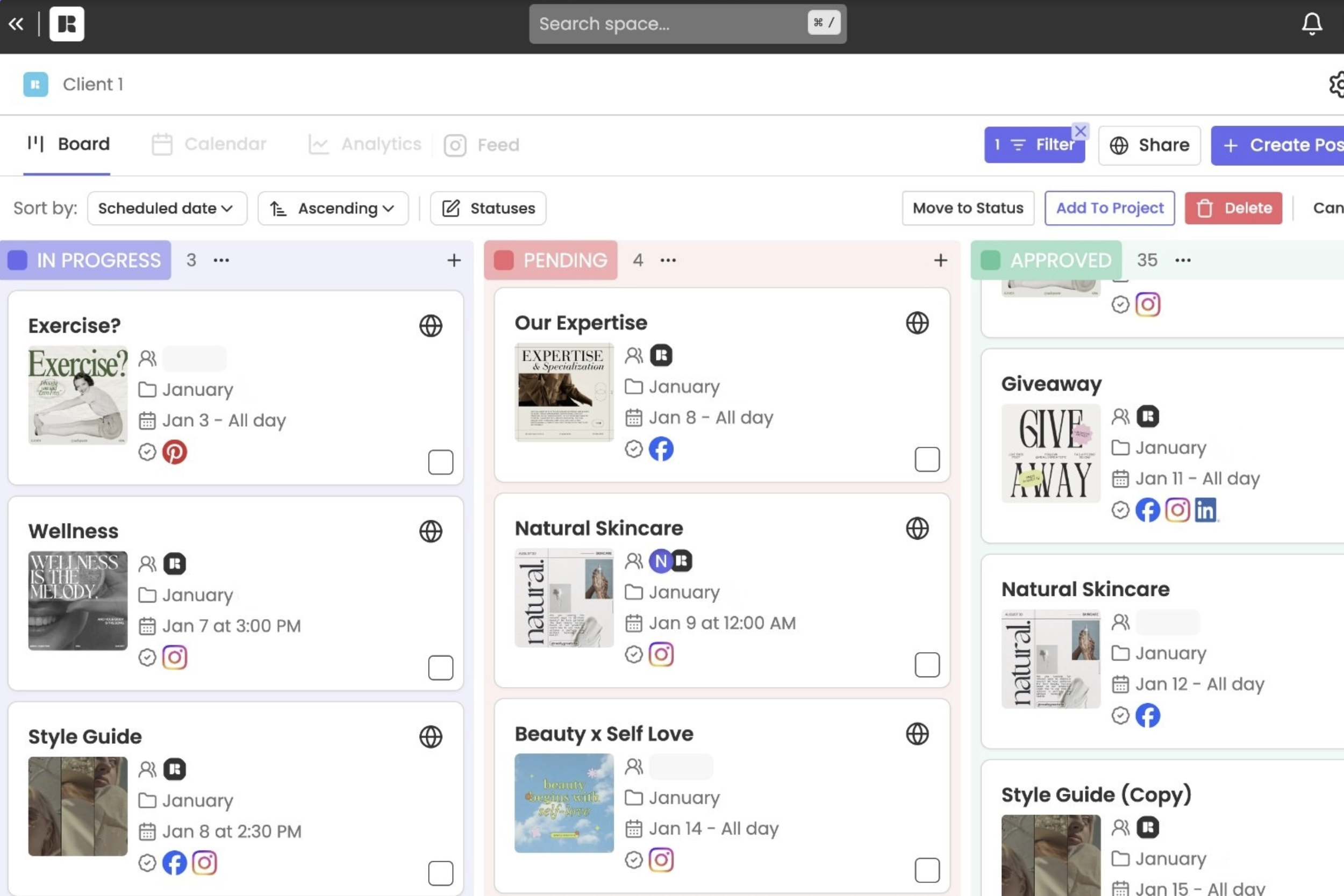
THE TAKEAWAY;
Consistency becomes much easier when content is created and scheduled in batches.5. FEEDBACK SYSTEMS THAT IMPROVE CREATIVE WORK
The best marketing teams do not rely only on intuition.

They review performance signals to understand what audiences actually respond to. Metrics like saves, shares, watch time, and comments reveal which content formats resonate the most.

When teams review these insights regularly, each new piece of content becomes slightly stronger than the last.

Creativity improves when it learns from real audience behaviour.
try this;
Review your best performing posts every monthIdentify patterns in format, visuals, or storytellingUse those insights when planning the next content cycle
example;
Analytics dashboards within platforms like Meta Business Suite help marketing teams track engagement patterns and performance signals across Instagram and Facebook.

Brands such as Gymshark closely study their community engagement to refine the type of content they produce.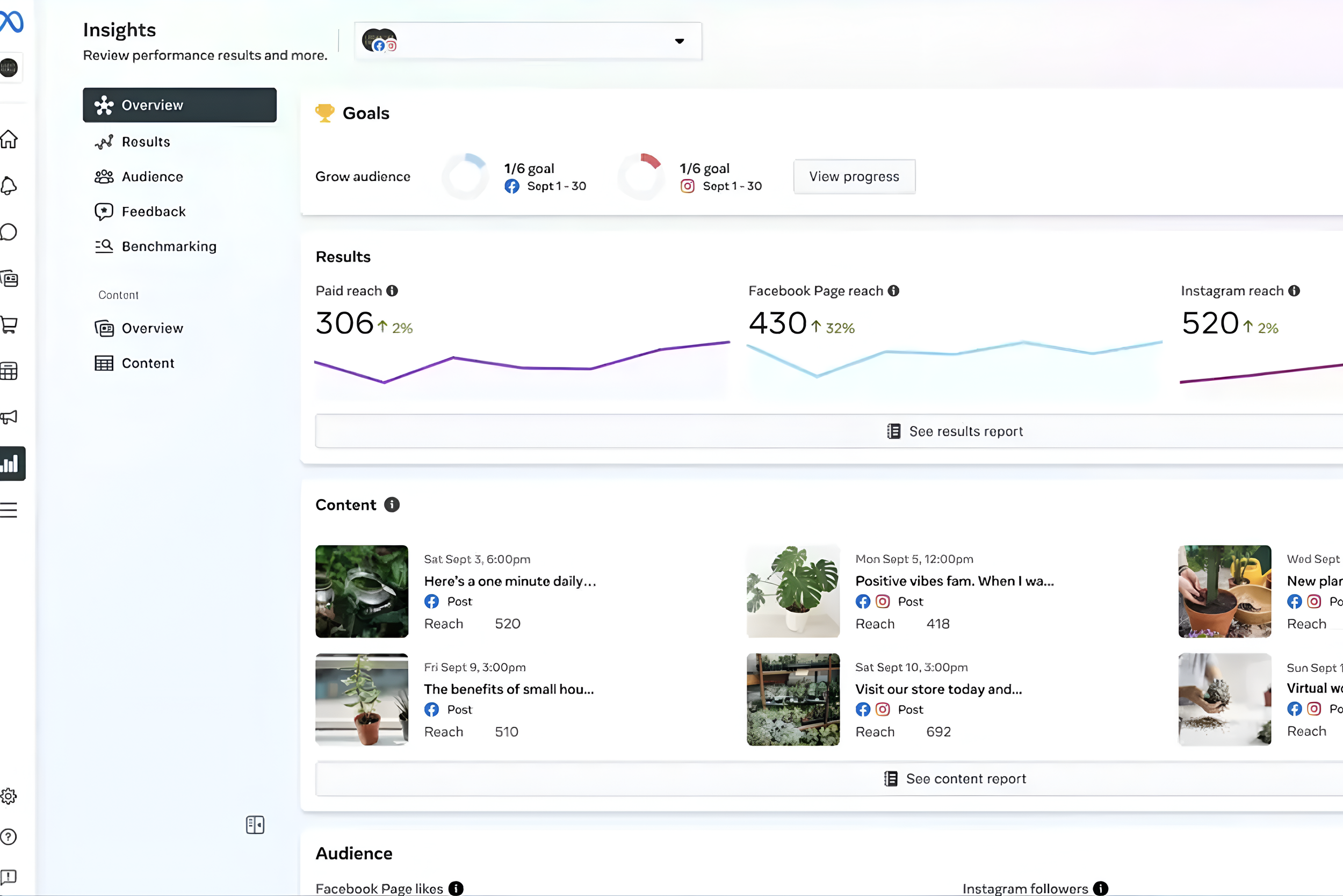
THE TAKEAWAY;
Creative direction becomes clearer when it is informed by data.Great marketing content rarely comes from random inspiration.
Behind most brands that show up consistently online, there is usually a simple structure supporting the creative process.
Ideas are captured.
Content is planned.
Workflows are organised.
Production is batched.
Performance is reviewed.
None of these systems replace creativity. They simply create the conditions where creativity can keep showing up.
For emerging brands especially, that structure can make the difference between occasional content and a presence that actually grows.