5 min READING TIME
Think about the last time you discovered a brand through someone you already trusted. Maybe a creator you follow mentioned a product. Maybe a brand showed up at an event you cared about. That's not a coincidence. That's a strategy.

Labubu had been on sale for years when K-pop star Lisa of BLACKPINK was spotted with one on her purse in April 2024. People flocked to get their own, and the toy became a fashion accessory and a status symbol. [CNBC, 2025]

Here's why brand partnerships and cultural moments work, when they don't, and what they look like for a brand that's still building.
WHAT’S BORROWED ASSOCIATION?
Every brand wants to be trusted, relevant, and culturally interesting. Building that from scratch takes years. Borrowed association is a shortcut: instead of building credibility independently, you place your brand next to something or someone that already has it.

It’s not just sponsorship. It’s not paying someone to mention your name. It’s strategic alignment: choosing the right people, events, and cultural moments to be genuinely present inside, so that their credibility, energy, and audience become part of how your brand is perceived. You’ll see it in creator collaborations, event sponsorships, and cultural marketing.

The best version of it doesn't feel like marketing at all. It feels like your brand just happens to belong in that world. Because when you get it right, it does.
You didn't find the brand because it advertised to you. You found it because it was standing next to something you already liked.
WHY DOES CULTURAL MARKETING WORK?
Traditional advertising interrupts. Borrowed association integrates. One asks for attention. The other earns it through context.

A MAGNA and Sightly study testing culturally aligned ads across more than 5,300 participants found that brands aligning with specific cultural moments saw purchase intent triple and search intent double compared to general content. [MAGNA, 2025] Among new customers, purchase intent rose 23% when those ads were delivered within a week of a relevant cultural event. The timing matters as much as the alignment.
EXAMPLE:
Pop Mart didn’t invent Labubu’s cultural moment. Celebrities like Rihanna and Lizzo, along with Lisa, helped make it one. [CNBC, 2025] What Pop Mart did was be ready for it, with product to sell and stores to sell it in. Profit rose nearly 400% in the first half of 2025, and the company’s own report credits product design and global expansion alongside the popularity. [Pop Mart Official Interim Results, 2025] Association can open the door. The brand still has to be ready to walk through it.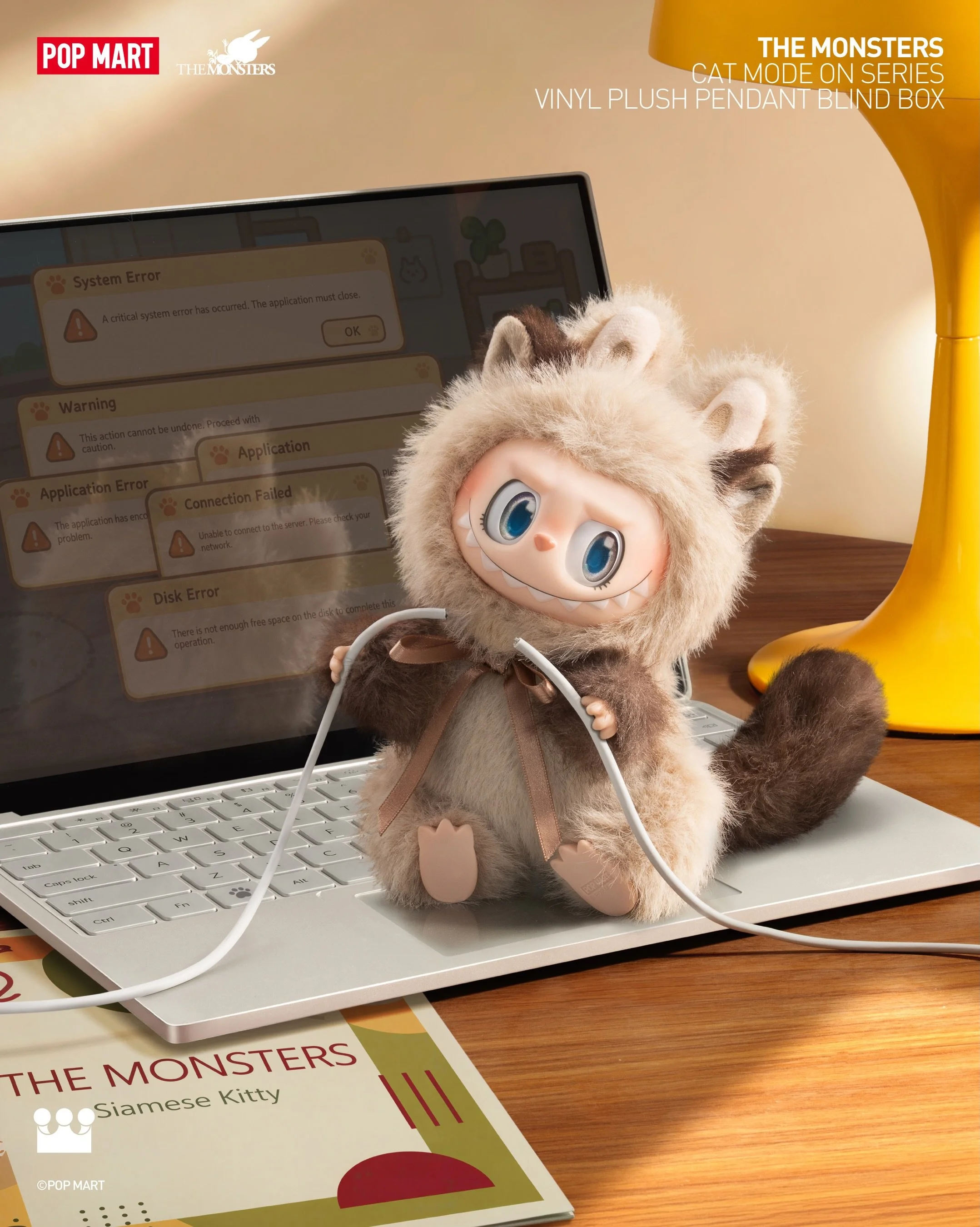
THE TAKEAWAY:
Aligning with a cultural moment works, and showing up within a week works best.
WHEN DOES IT GO WRONG?
When a brand chases reach instead of fit. It’s how brand partnerships end up feeling forced. There’s a difference between associating with someone because they have the audience you want, and associating with someone because they genuinely belong in your brand’s world. Audiences can feel that difference immediately.

A high-profile creator with millions of followers who has no real connection to what you're building won’t transfer their credibility to you. They'll transfer their audience for a moment, and then that audience will move on because nothing meaningful held them there.
EXAMPLE:
Novig, a sports prediction platform, partnered with Sydney Sweeney, who also holds equity in the company, for its Just Sports campaign. She’s a household name in entertainment, not in sport, and female athletes publicly criticized the ad. Novig reports that trading volume rose 94% and first-time depositors rose 218% in the 20 days around launch, though the campaign landed alongside the start of the NFL season. [CNBC, 2026] Attention wasn’t the problem. Whether it turns into trust is a different question.
REACH VS. FIT:
Reach gets you seen. Fit gets you remembered. A smaller creator who genuinely lives inside your brand’s world can outperform a celebrity who doesn’t.Ask this before any association: does this person's audience already want what we're building? If the answer is no, the association won't stick.The best partnerships feel obvious the moment you see them. If you have to explain why it makes sense, it probably doesn't yet.
THE TAKEAWAY:
Attention is easy to borrow. Trust only transfers when the fit is real.
WHAT DOES IT LOOK LIKE IN PRACTICE?
For an emerging brand, borrowed association is a practical growth strategy and a solid foundation for an influencer marketing strategy. You don’t need a celebrity. You need the right room. The right event. The right creator who already has the audience you’re trying to reach, and a genuine reason for your brand to be part of their world.

The key is timing. Showing up inside a cultural moment before it peaks, when the attention is high and the competition is low, is where borrowed association creates the most value. It's not about being everywhere. It's about being exactly where your audience already is, at the exact moment they're most open to discovering something new.
EXAMPLE:
Our client SYLR (See Ya Later Ranch) launches their annual wine advent calendar with a dedicated event that brings together content creators and influencers from the wine and lifestyle industries. The content those creators generate from the event reaches their audiences organically, in a format that feels personal rather than promotional. SYLR doesn’t push the product. The people who genuinely love wine and celebrate the season share it themselves. The brand borrows the credibility, the aesthetic, and the audience of creators who already live inside the world SYLR wants to belong to.
WHAT DOES THIS MEAN FOR YOU?
Find the two or three spaces where your brand naturally belongs and show up there consistently before they peak. Depth over breadth.Choose creators based on alignment, not audience size. The right fit usually outperforms the biggest reach.Events and cultural moments create natural borrowed association opportunities. The key is showing up before the window closes, not after everyone else already has.The goal is for your brand to feel like it belongs. Not like it bought its way in.
THE TAKEAWAY:
You don't need a big budget or a celebrity. You need the right room, the right moment, and a brand that genuinely belongs there.
No brand builds meaning entirely on its own. Brands that grow well tend to understand where credibility, attention, and cultural energy already exist, and find a genuine reason to be inside it.

The difference between borrowed association and bandwagon marketing is one word: fit. One makes your brand more interesting. The other makes it less believable.