5 min READING TIME
Your email list has been answering questions you never asked. Every click shows what someone cares about, every unsubscribe shows what missed the mark, and even silence says something.

Take Mudgee Meat, a family-owned online butcher in Australia. Its list taught it when customers are ready to buy, and when it was emailing them too often.

That's what listening to your list looks like: paying attention to what people click, when they act, and who goes quiet, and knowing how to act on it.

Here's what your list is telling you about your audience, and what to do about it.
In this post:
What are their clicks telling you about what they care about?What is their timing telling you about how ready they are to buy?What are the quiet ones and the unsubscribes telling you?What do you do with what your list is telling you?Frequently asked questions
WHAT ARE THEIR CLICKS TELLING YOU ABOUT WHAT THEY CARE ABOUT?
Two people can get the same email and click on completely different things. One goes straight to the new product, another reads the how-to, and a third heads for the offer.

Those choices are how your audience sorts itself. What people browse, click, and buy reveals their interests and intent, and you need to know what to look for.

The closer an email gets to someone's interests, the more they click. A 2026 industry benchmark found that emails sent in response to something a person did earned a 5.58% click rate, more than three times the 1.69% of one-off campaigns. [Klaviyo, 2026]
WHAT DOES THIS MEAN FOR YOU?:
Read clicks as interests. The links people choose show which topics, products, or offers earn attention.Notice who clicks what. The same people choosing the same topic again and again are a real group inside your audience.Build your content around what gets clicked, and send it to the people who click it, not to everyone.
THE TAKEAWAY:
A click is a vote for what someone wants more of.
WHAT IS THEIR TIMING TELLING YOU ABOUT HOW READY THEY ARE TO BUY?
The moment someone acts says as much as what they act on. A first purchase, a long gap, a sudden return: each one hints at where that person is with you.

Klaviyo's data, drawn from more than 183,000 of its customers, shows how much timing matters. Its flows, automatic emails set off by an action like signing up or leaving a cart, made nearly 41% of email revenue from just 5.3% of sends. [Klaviyo, 2026] They reach people right when they've shown interest.
example:
Mudgee Meat began as a small home-delivery lamb business and now delivers fresh meat across much of Australia. Its flows, including reminders for carts, checkouts, and browsing, led to an order 2.2% of the time, versus 0.31% for its campaigns. It also built an always-on email for regulars who keep placing one-off orders but haven't joined its subscription. [Omnisend case study, 2026]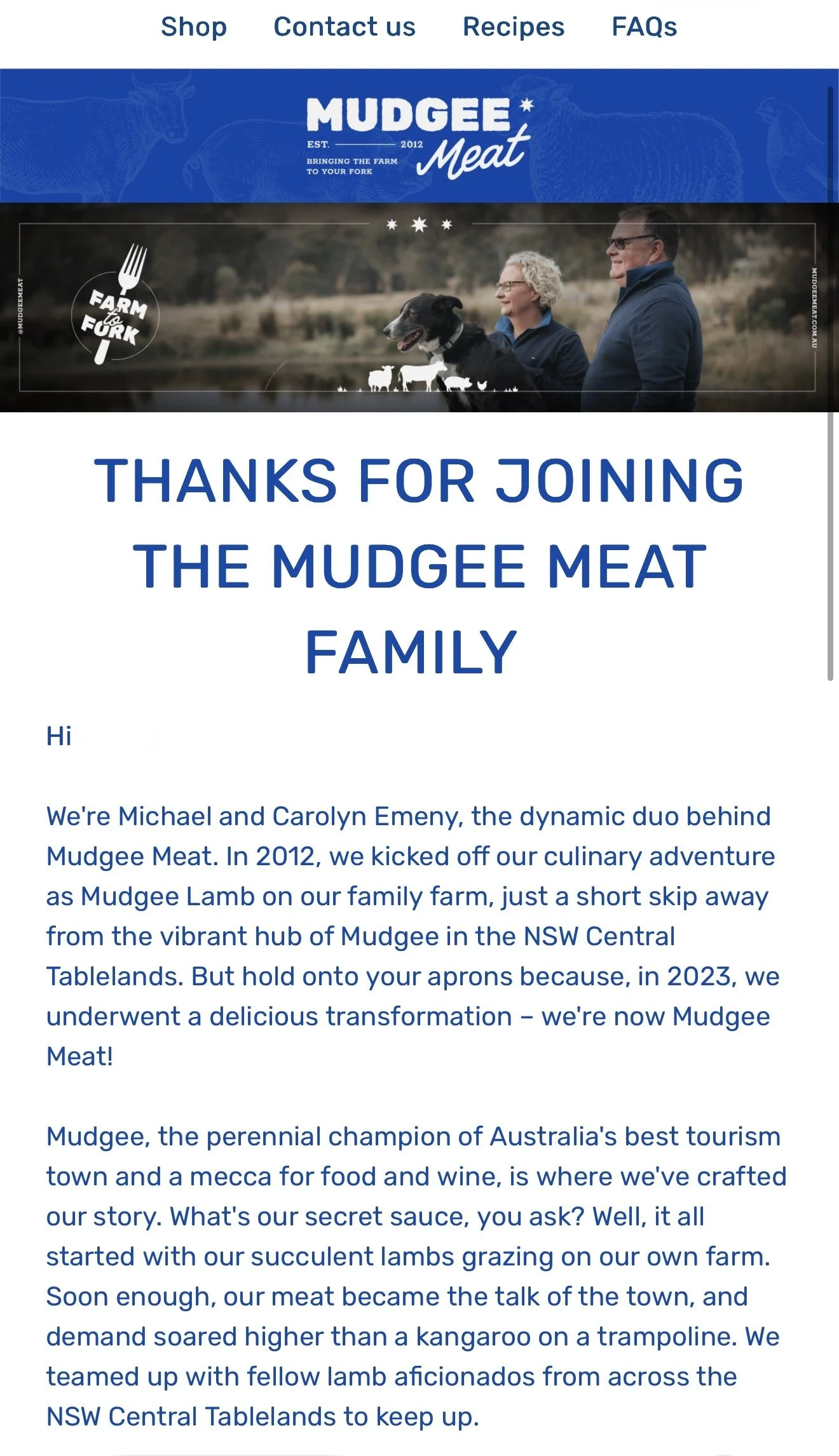
WHAT DOES THIS MEAN FOR YOU?:
Notice the gaps. A customer who usually buys every few weeks and suddenly doesn't is telling you something has changed.Notice the first moments. How you greet a new subscriber sets the tone for everything that comes after.Let your email marketing follow behaviour, so people hear from you when they're ready, not on your schedule.
THE TAKEAWAY:
Your list shows you not just what people want, but when they want it.WHAT ARE THE QUIET ONES AND THE UNSUBSCRIBES TELLING YOU?
Often, that what you're sending no longer matches what they signed up for. A quiet subscriber isn't a lost cause, but ignoring them can cost you.

Unsubscribing is the polite way to say "this isn't for me." A spam report is the blunt one, and Gmail pays attention to them. Google says to keep the share of people who report your emails as spam below 0.10% and never reach 0.30%, about 1 in 1,000 and 3 in 1,000. [Google, 2026] A high spam rate leads to more of your emails being treated as spam.

Google also suggests checking in every so often to confirm people want to stay subscribed, and considering unsubscribing people who never open or read your emails. It even notes that letting people opt out can improve how many people click. In the same case study, Mudgee Meat saw its subscriber growth flatten as it emailed more, so it stopped sending its newsletter to people already moving through an automatic email series, and it reports its list is growing.
WHAT DOES THIS MEAN FOR YOU?:
Treat every unsubscribe as feedback you didn't have to ask for.Compare who leaves with who stays. If the people leaving share a source or got the same kind of email, that's a clue.Make leaving easy. Google says to always give people a simple way to unsubscribe.
THE TAKEAWAY:
Treat silence like a reply, not a dead end.
WHAT DO YOU DO WITH WHAT YOUR LIST IS TELLING YOU?
Measure it against what you promised people when they signed up, then change what you send. That promise is your yardstick, because it tells you whether a quiet stretch is a warning sign or just business as usual. From there, each signal points to a change: what to send more of, when to send it, and who needs a check-in.
EXAMPLE: our own list
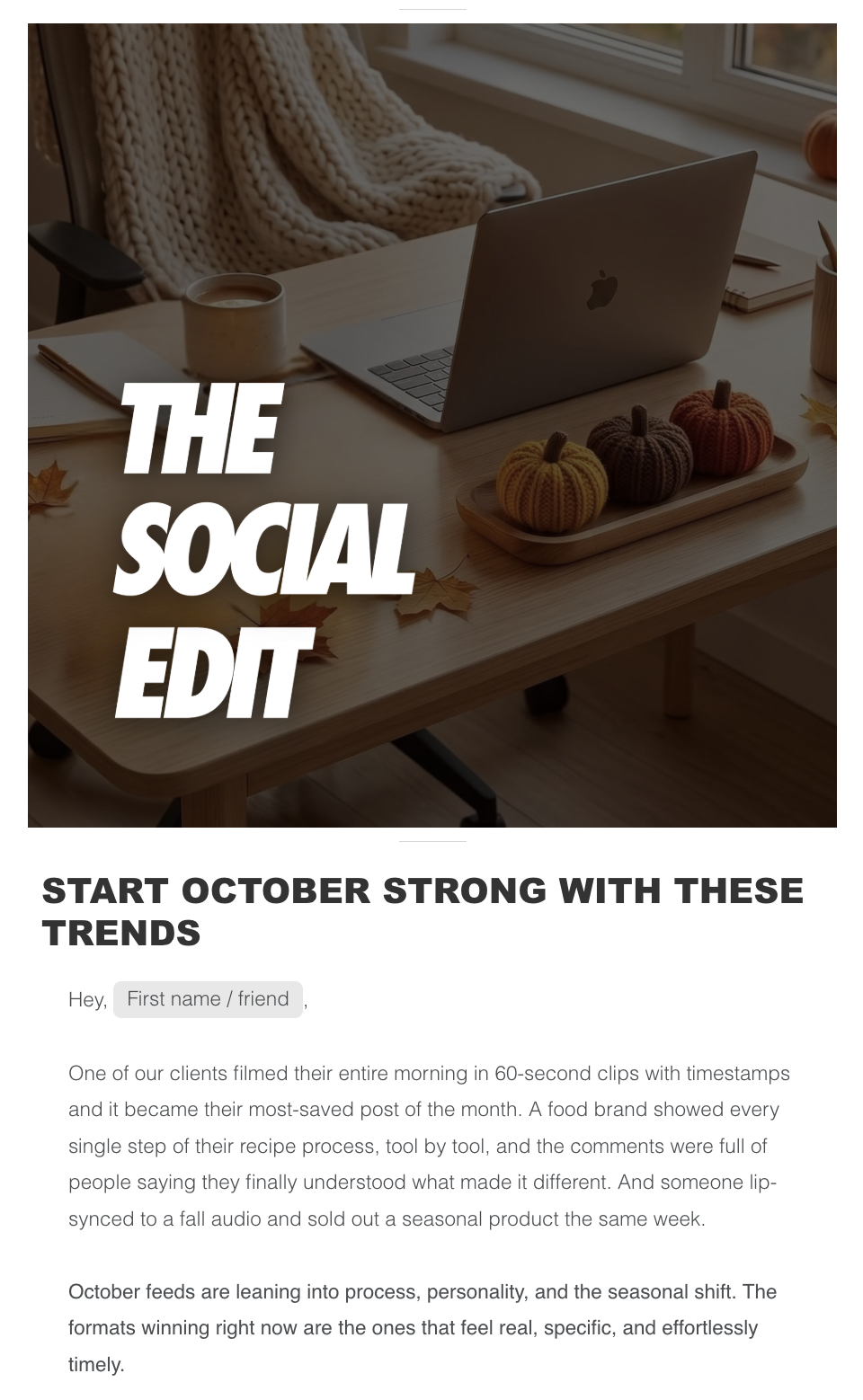
We keep our own list simple. When you subscribe to TIME, you can expect one email a week with our latest blog. That's a promise short enough to keep every week, and clear enough for you to check.
WHAT TO DO THIS MONTH:
Write your promise in one sentence: what people get from you, and how often.Decide what “engaged” means for you, based on clicks or purchases.Ask one simple question in your welcome email, like what they're most interested in.Send your quiet group one "still want these?" email, and let go of the people who don't answer.
THE TAKEAWAY:
A clear promise is what makes every signal readable.
FREQUENTLY ASKED QUESTIONS
How long before I call someone quiet?
The right window comes from how often you email and how often your customers buy. A candle shop and a meal-kit brand will have very different ideas of what counts as quiet.Do small lists get these signals too?
Yes, because the signals come from what people do, not from how many of them there are. Even on a short list, you can often see each person's pattern and spot changes early.How often should I email my list?
There's no universal number, since it depends on your audience and what you sell. Start with the rhythm you promised at sign-up, then adjust based on how people respond to each change.
Your list has been talking the whole time. The only question is whether you're listening.
Pay attention, and you'll know a lot more about who's actually on the other side.