
6 min read
When was the last time you followed a brand because you actually wanted to hear what they had to say?

Not because they ran a good ad. Because they were publishing something worth coming back for.

That is the gap most brands are not closing. But a few figured it out early. Lush quit social media entirely and grew anyway. Patagonia barely runs ads and has one of the most loyal audiences in retail. Canva built a $42 billion company mostly through blog posts.

None of them got there by thinking like marketers. They got there by thinking like publishers.
1. PUBLISHERS PLAN FOR RETURN, MARKETERS PLAN FOR REACH
A marketer asks: how many people will see this? A publisher asks: why would someone come back for the next one?

That single shift in thinking changes everything. It moves the focus from impressions to relationships, from campaigns to calendars, from one-off content to something that compounds over time.

The brands winning right now are not the ones with the biggest reach. They are the ones with audiences that return regularly because there is always something worth returning to.
Try this;
Sort your last 12 posts into campaign content and evergreen content. If more than 70% are tied to a promotion, your audience has no reason to return between launches.Commit to one recurring format on a fixed schedule. One newsletter every two weeks. One educational carousel per week. Name it and protect it.List the three questions customers ask most before buying. Each one is a piece of evergreen content waiting to be published.
example;
Red Bull Media House produces documentaries, a monthly magazine, a streaming platform, and live events, much of it with no direct product mention. Rather than paying to appear in media, Red Bull became the media. Its ecosystem attracts over 2 billion annual views and a first-party audience no ad buy can replicate.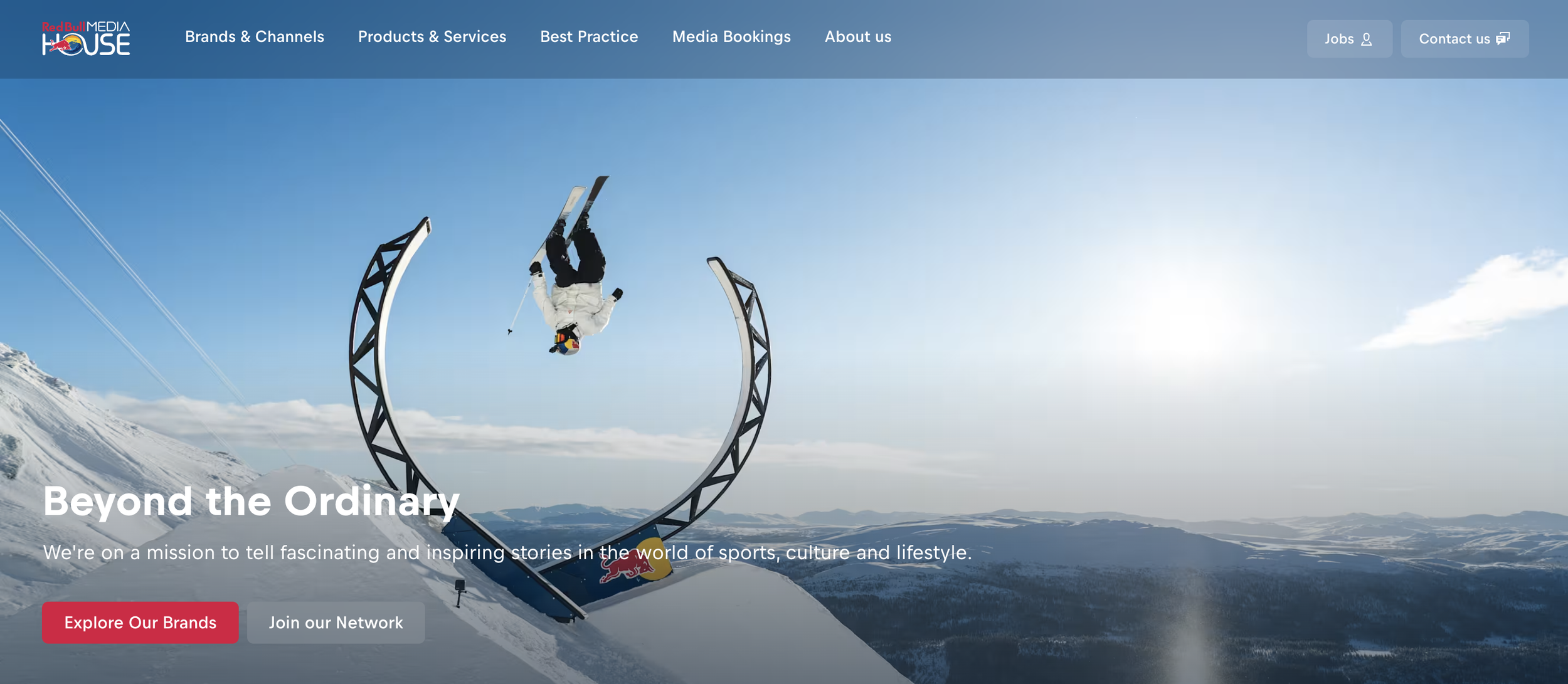
THE TAKEAWAY;
Marketers chase reach. Publishers build return behaviour.
2. PUBLISHERS HAVE A POINT OF VIEW, MARKETERS HAVE A MESSAGE.
A message is designed to persuade. A point of view is something people genuinely want to engage with.

Publishers do not just report on their category. They interpret it. They have a consistent editorial lens that makes their content recognisable, and that recognition is what builds a real audience over time.

Most brands skip this entirely. They post without editorial identity and wonder why nothing compounds. The shift is simple: stop asking "what should we post?" and start asking "what do we consistently believe?"
Try this;
Complete this sentence: "Our brand believes that [common industry assumption] is wrong." That is your editorial point of view. Every post should connect back to it.Look at your last 10 posts. If a competitor could have published any of them unchanged, rewrite one this week with a specific opinion only your brand holds.Pick one topic beyond your product that your brand genuinely cares about. Publish something original on it once a month. Six months is a voice. A year is authority.
example;
Patagonia spends less than 1% of revenue on paid media. It publishes films, environmental journalism, and long-form stories built around one conviction: that business should actively protect the planet. That belief, expressed consistently across every piece of content, has built an audience that does not just buy from Patagonia. They trust it in a way no campaign could manufacture.
THE TAKEAWAY;
People remember brands that consistently help them see something differently.
3. PUBLISHERS BUILD TRUST BEFORE THEY ASK FOR ANYTHING
Publishers earn attention before they monetise it. They show up consistently with something useful, interesting, or worth thinking about, long before they ask for a sale.

Most brand content does the opposite. It leads with the product and wonders why it does not connect. The publisher mindset flips that order: give first, earn trust, then sell.

This is not about being generous. It is about being strategic. An audience that trusts you does not need convincing. It needs an invitation.
try this;
Name your recurring content and announce it publicly. "Every Tuesday we publish X" trains your audience to expect it and holds you accountable to delivering it.Choose three to four themes your brand owns and rotate posts through them. That is an editorial calendar, and it takes 30 minutes to build.Track saves and return visits alongside reach. Saves mean people are coming back. That is the metric that tells you whether you are publishing or just posting.
example;
Canva built an editorial library of thousands of guides and tutorials covering design, marketing, and branding. Search almost any design question and Canva is in the results. That strategy drives over 270 million monthly website visitors, almost entirely through organic search. Every article pulls a reader into the ecosystem. Every tutorial ends at a template. By October 2025, Canva had $3.5 billion in annualised revenue and a $42 billion valuation. The content did not support the business. It built it.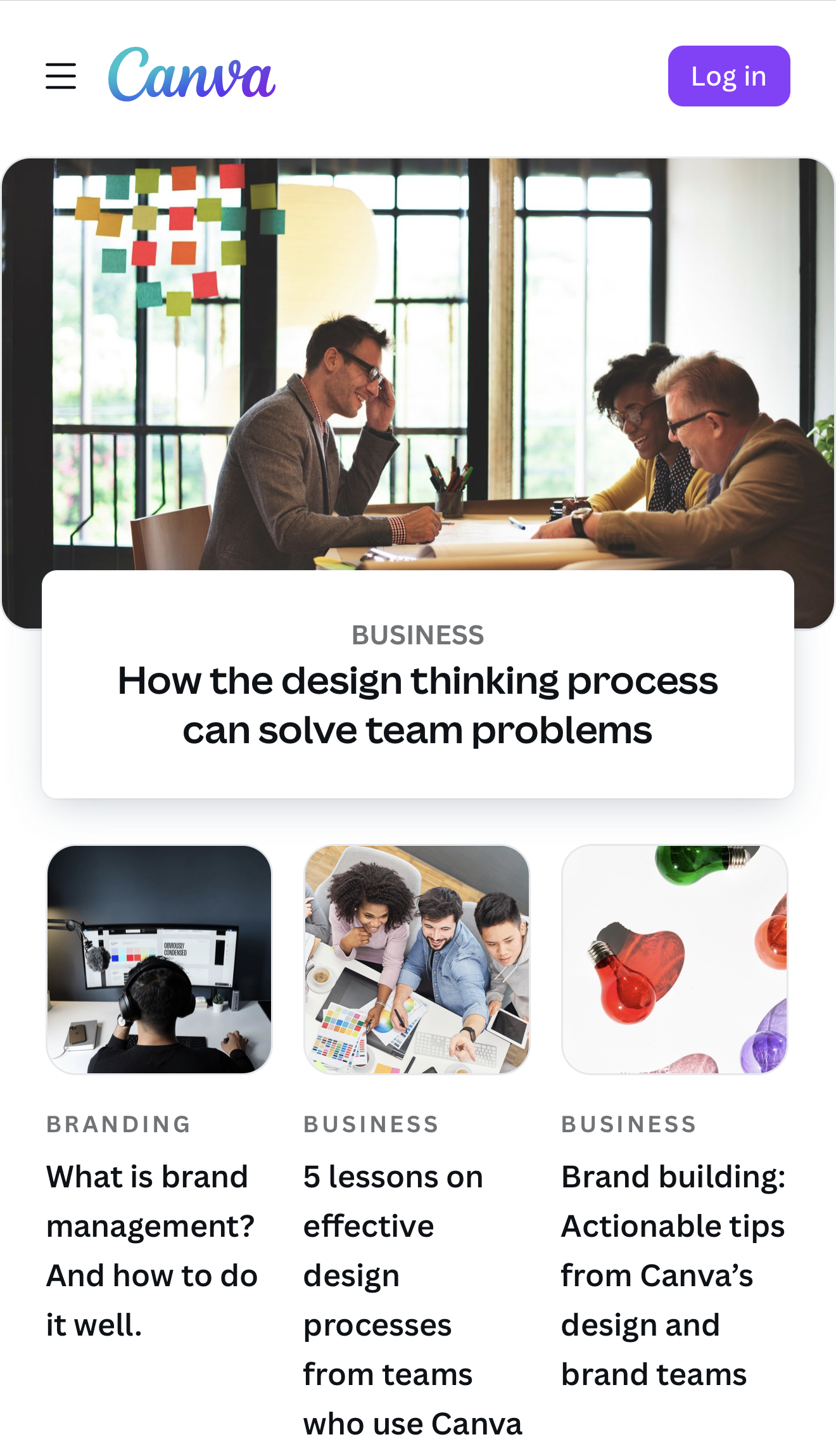
THE TAKEAWAY;
The publishing model is not a budget decision. It is a commitment decision.
BONUS: PUBLISHERS OWN THEIR AUDIENCE, MARKETERS RENT IT
Every follower you have on Instagram or TikTok exists on borrowed ground. The algorithm shifts, reach drops, and there is very little you can do about it.

Publishers think differently. They invest in owned channels: newsletters, communities, memberships. Direct lines to their audience that no platform update can interrupt.

The brands that built owned audiences early are sitting comfortably through every algorithm change. The ones that did not are starting over each time.
try this;
Start a newsletter this month, even to 50 people. Publish one original industry observation every two weeks. That list compounds. A social following does not.Add one CTA to your three best-performing posts directing people to an owned channel. Every follower who becomes a subscriber is one you actually keep.Set a 90-day target: 200 engaged email subscribers. No paid budget required. Just a consistent reason to sign up.
example;
In 2021, Lush walked away from Facebook, Instagram, TikTok, and Snapchat, giving up over 10 million followers. It invested in its app, its newsletter, and direct community programming instead. By 2025, its Chief Digital Officer called the decision vindicated, citing stronger digital sales and higher customer retention. With 1.75 million app users and a members club launched in 2025, Lush owns its audience completely. No platform update can take that away.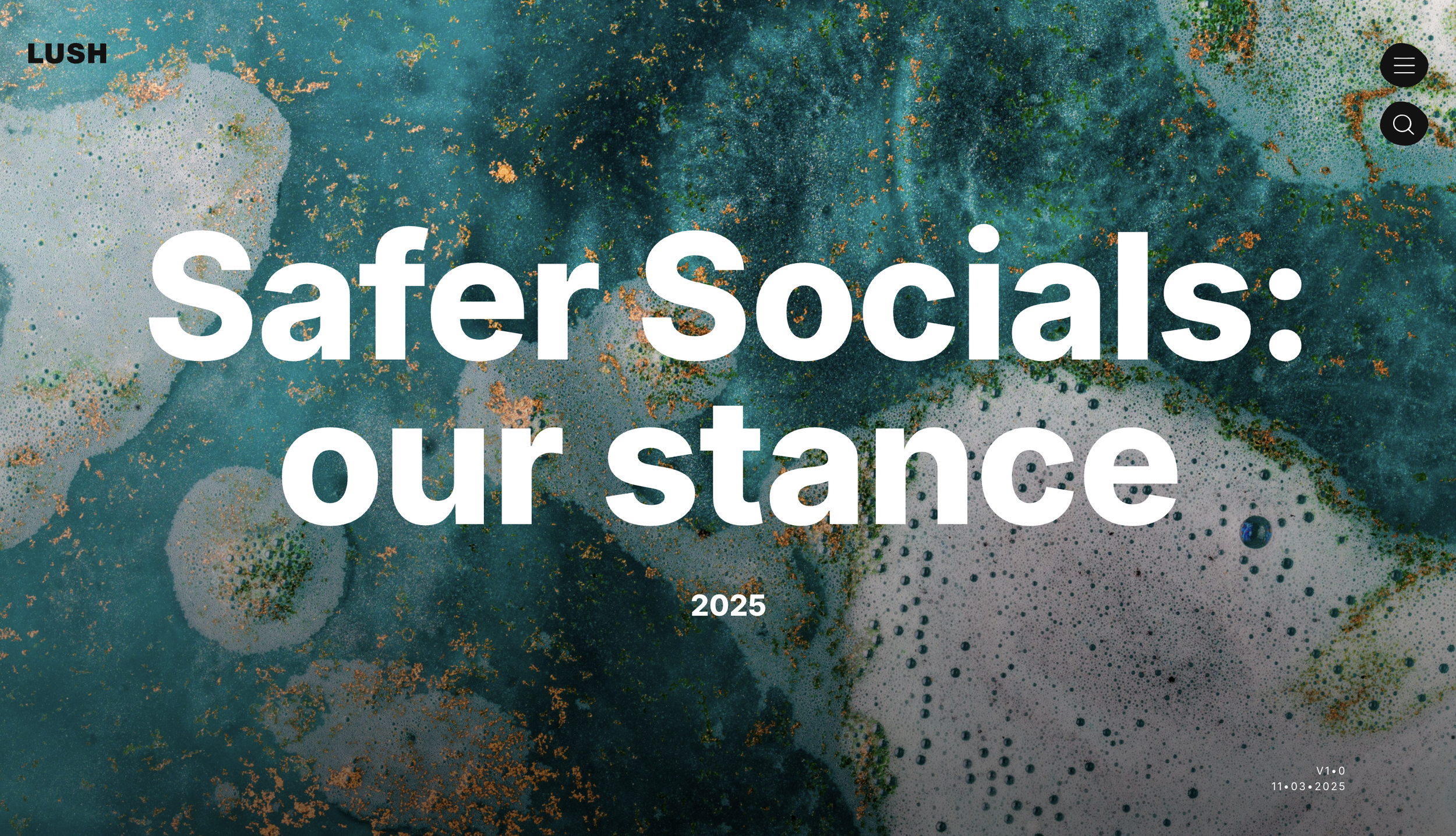
THE TAKEAWAY;
Platforms distribute your content. Only you can own your audience.Thinking like a publisher is not about producing more content. It is about producing content with intention, consistency, and a point of view worth returning to.
The brands building real audiences right now are not asking "what should we post today?" They are asking "what do we stand for, and how do we say it on repeat?"
That shift is available to any brand willing to make it. And we are here to help you build it.