SPORTS MARKETING IN THE WORLD CUP ERA
Nike dropped a six-minute film with 30+ global stars and 76 million YouTube views in eight days. McDonald's put Ronaldinho and Beckham in the same ad, showed them ordering fast food, and called it their largest World Cup activation ever. Adidas sold $292 million in World Cup products before the first match was played.

The FIFA World Cup 2026 is not just the biggest sporting event of the decade.

It is the most concentrated lesson in brand loyalty, identity, and storytelling that marketing gets. Here is what it is teaching us.
1. PEOPLE DON’T FOLLOW BRANDS, THEY FOLLOW IDENTITIES
The World Cup does not create loyalty. It reveals it. Every four years, billions of people do not just watch a sport. They declare who they are.

The flags, the kits, the rituals: none of this is about football. It is about belonging. The brands winning right now stopped trying to reach audiences and started trying to belong to them.

Budweiser cast Haaland because this is his first World Cup, making the campaign a personal story that mirrors every first-time viewer. Lay's ran two simultaneous campaigns: one global, one built specifically for the American fan just discovering the sport. Same product. Two identities. Both respected.
Try this;
Write down not what your product does, but what it says about the person who uses it. That identity signal should show up in your content.Find the communities already forming around your category: TikTok hashtags, Reddit threads, Facebook groups. Their language is your brief.Pick one cultural moment your audience genuinely owns this month. Create one piece of content that belongs inside it.
example;
Lay's ran two entirely separate World Cup campaigns simultaneously. "No Lay's, No Game" spoke to lifelong global fans. "Bandwagon" was built for Americans discovering football in 2026. The insight: not every fan has the same identity relationship with the sport, and a single campaign cannot honour both. That distinction is exactly why Lay's is one of the most discussed brand activations of the tournament.THE TAKEAWAY;
People buy products. They are loyal to identities. Know which one your brand represents.
2. THE BEST CAMPAIGNS TELL A STORY THAT IS NOT ABOUT THE PRODUCT
Every brand at the World Cup is trying to connect with football. The ones doing it well found the story underneath the sport.

McDonald's did not make a football ad. It made an ad about the universal truth that even the most iconic athletes have a favourite fast food order. That insight humanises people who are usually placed on pedestals. It works because it is specific, warm, and completely true.

Nike's six-minute film barely shows a product. The story is about freedom, instinct, and refusing to follow someone else's rules. It earned 76 million views in eight days because it felt like something worth watching, not an ad worth skipping.
Try this;
Ask: what is the human truth underneath what we sell? Not the feature. Not the benefit. The feeling. That is the story worth telling.Find the one thing your best customers have in common that has nothing to do with your product. That shared truth is your creative territory.Write one caption this week that does not mention your product once. If it still feels like your brand, you have found your voice.
example;
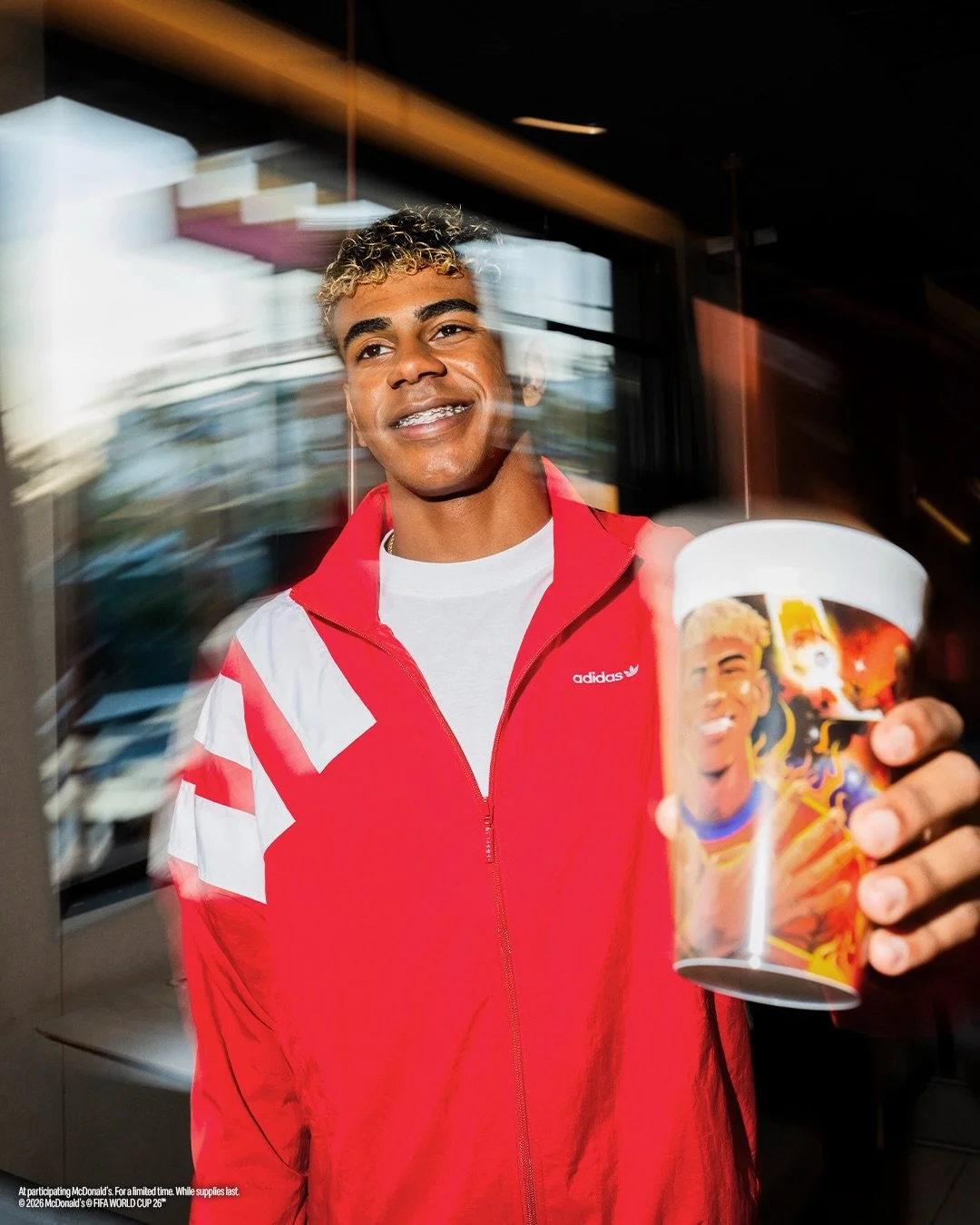
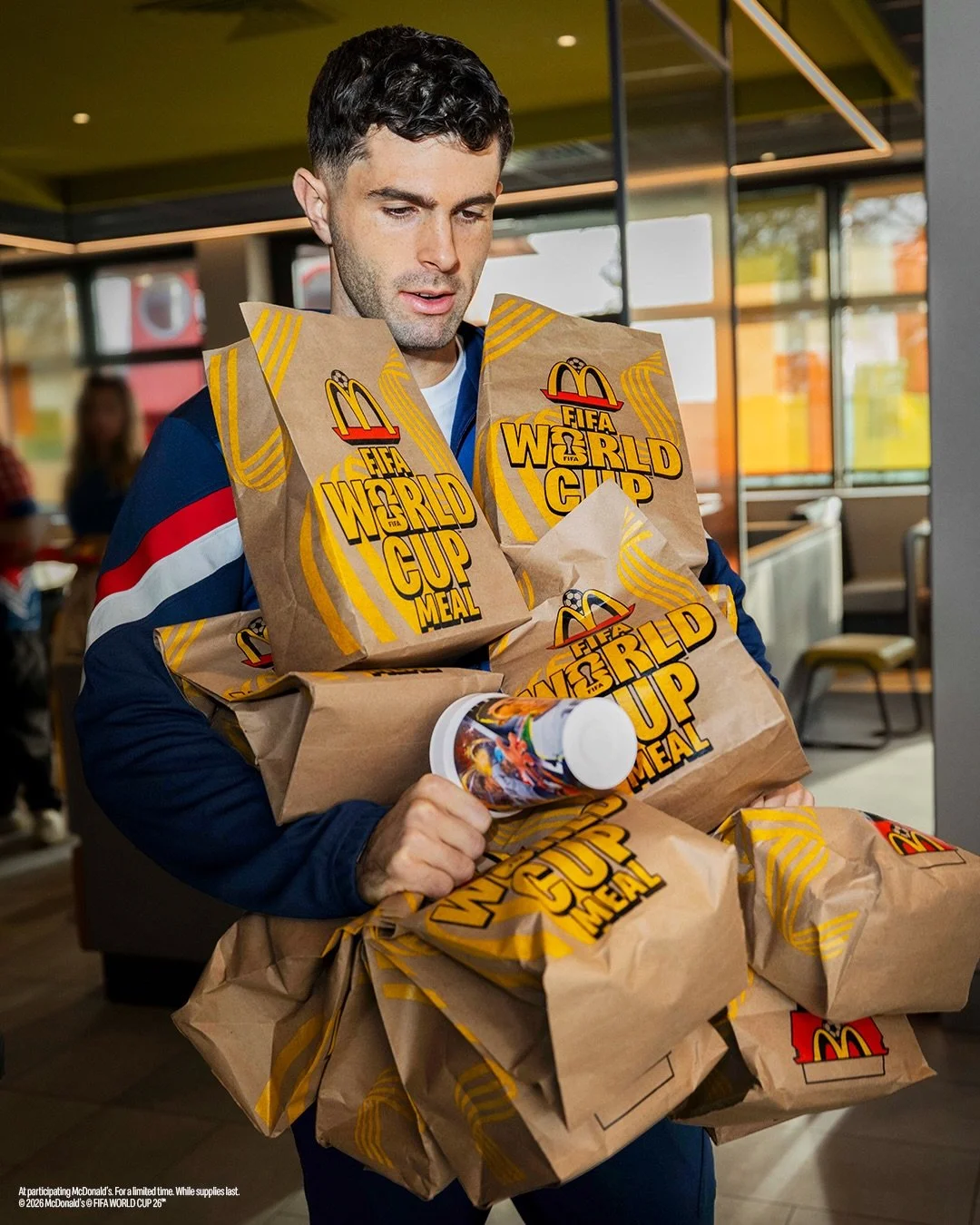
McDonald's largest-ever World Cup campaign, across 100 markets, was built on one observation: football legends have McDonald's orders, just like everyone else. The film shows Beckham, Ronaldinho, Henry, and Yamal in restaurants, choosing their meals, interacting with Grimace. No product claims. No brand promises. Just a shared human moment that makes the most famous athletes in the world feel like regular people. The idea was the entire strategy.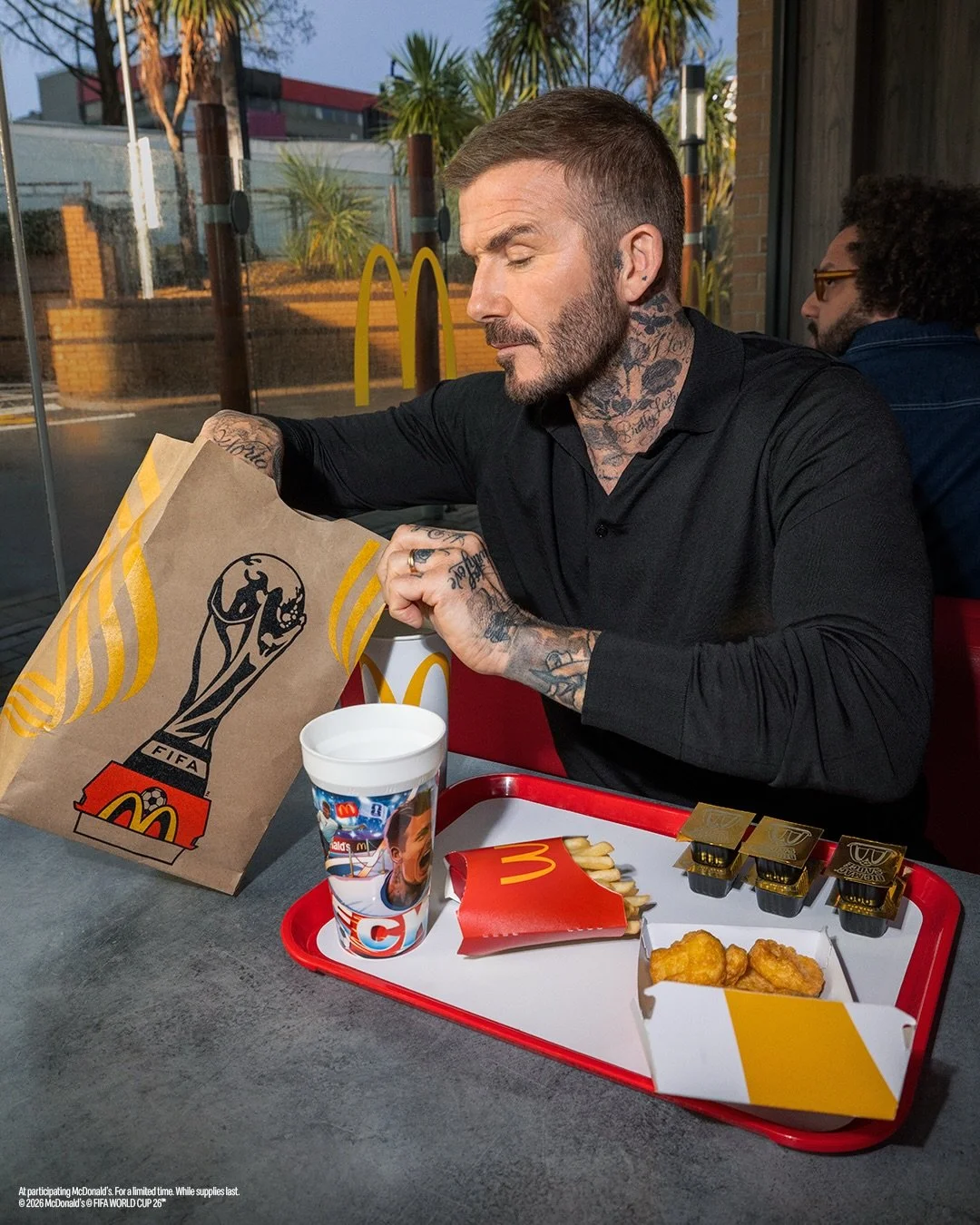
THE TAKEAWAY;
The story underneath your product is almost always more powerful than the product itself.
3. A CAMPAIGN IS AN EVENT, A CONTENT SYSTEM IS A STRATEGY
Most brands think in campaigns. The best brands at the World Cup are thinking in systems.

Nike did not drop one ad. It built a 12-week platform: teaser Polaroids, capsule collections with Palace, Jacquemus, and Patta, creator content, and a hero film at the centre of it all. Each piece pointed back to the same idea. Nothing felt isolated.

The brands still generating conversation in week three planned for week three from the start. One launch moment cannot sustain six weeks of attention. A content system can.
try this;
Map your next launch as a system: a lead-up, a hero moment, and a follow-through. Three phases, not one post.Build three to five supporting pieces for every major announcement: a behind-the-scenes, a customer story, a follow-up. Plan the ecosystem before you execute the moment.Identify one recurring format that runs between launches. That is what keeps your audience warm when you are not selling anything.
example;
Nike's "Rip the Script" was not a campaign. It was a content infrastructure. Weeks before the hero film dropped, Nike seeded Polaroid images, teased brand collaborations, and built anticipation through creator content. The six-minute film arrived to an audience already primed. It pulled 76 million YouTube views in eleven days. Nike's VP of global brand marketing said it directly: "We're not dropping a big hero ad and moving on. We're building an entirely new world of football. Twelve weeks, one Universe of Football."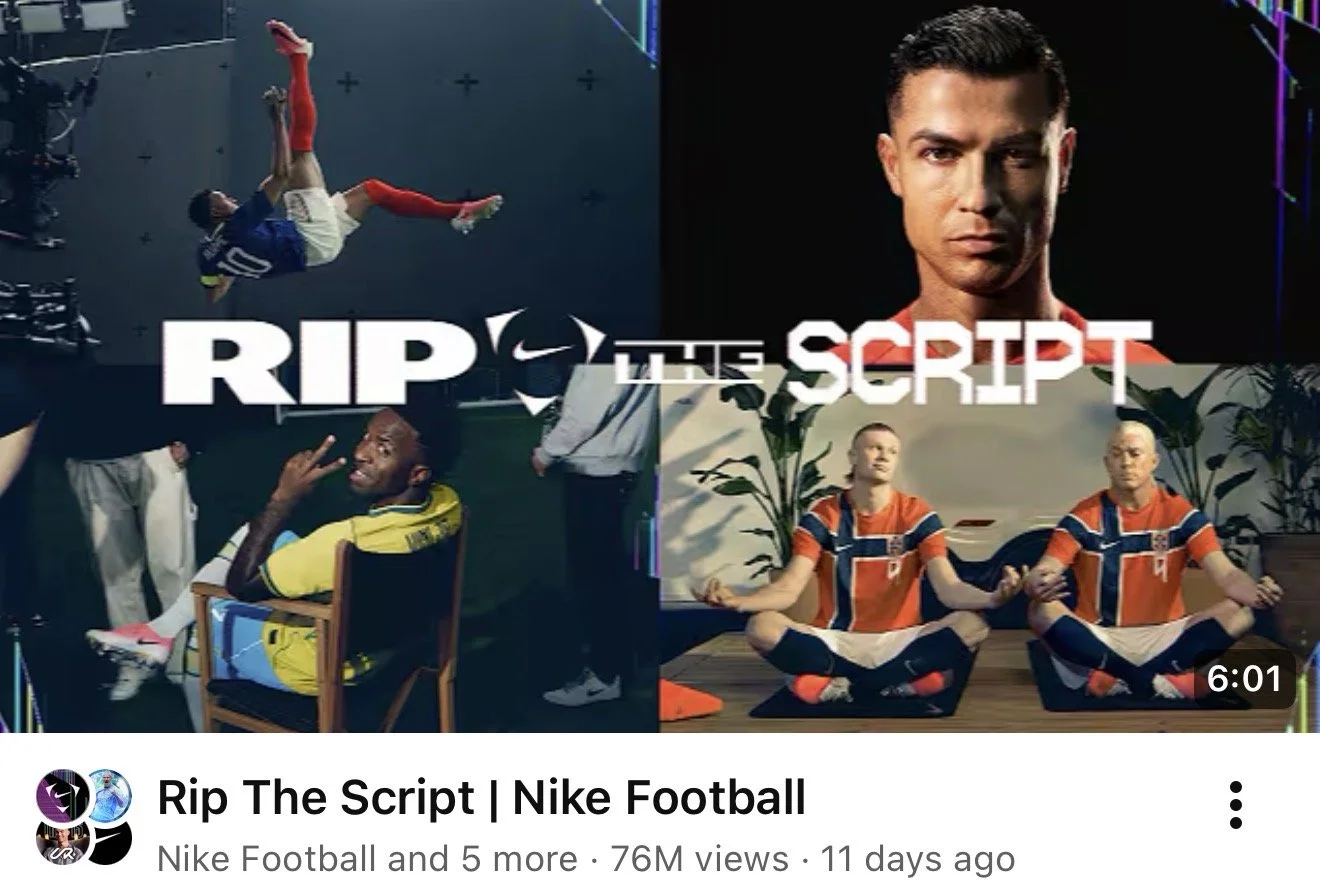
THE TAKEAWAY;
Campaigns create moments. Systems create audiences.4. YOU DO NOT NEED A WORLD CUP BUDGET TO MARKET LIKE ONE
The instinct is to watch Nike and McDonald's and think: different scale, different rules.

The principles are identical. Identity over features. Human stories over product claims. Systems over one-off moments. These are not budget decisions. They are strategic ones.

The World Cup is the most concentrated version of what good marketing looks like at any scale. The lessons belong to every brand willing to apply them.
try this;
Find the cultural moment your audience is already gathered around. You do not need to sponsor it. You need to belong to it through content, tone, or perspective.Lead with the human truth, not the product. One insight expressed clearly beats a polished feature claim every time.Plan your next launch in three phases: anticipation, moment, follow-through. The brands people remember built all three.
example;
LEGO is not a football brand. It has no natural claim on the sport. What it had was a genuine story about play, creativity, and building something together. Its World Cup campaign, "Everyone Wants a Piece," generated 314 million views across players' Instagram accounts within 24 hours of release. The size of the brand was irrelevant. The clarity of the idea was everything.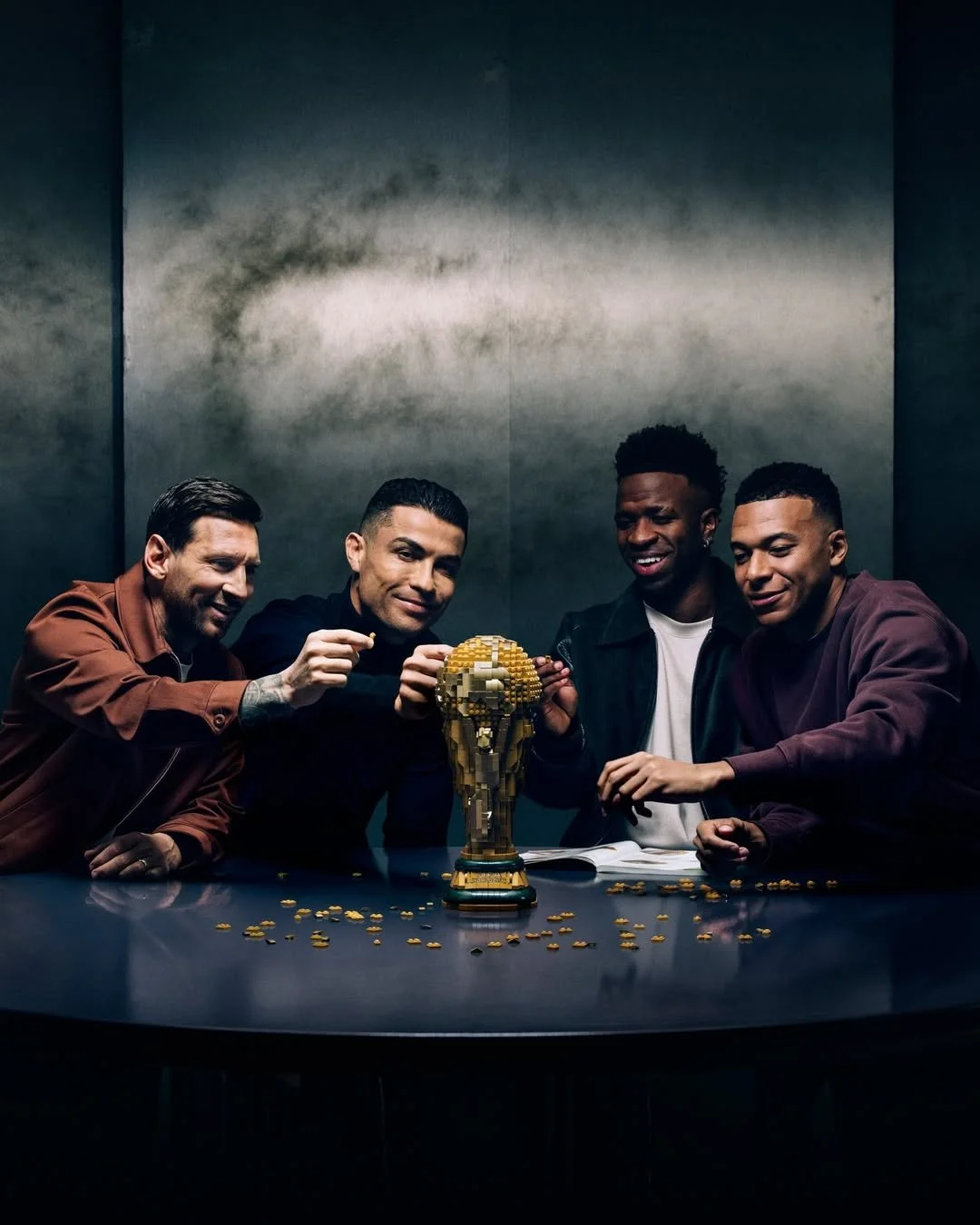
THE TAKEAWAY;
The principles that win global campaigns are the same ones that win local ones. Scale changes. Strategy does not.Every four years, the World Cup hands marketers a masterclass. The brands winning are not the ones with the biggest budgets. They are the ones who understood their audience deeply enough to belong to the moment.
Identity, storytelling, and systems. That is the playbook. And it works at any scale.
We are here to help you build it.