WHY THE SOCIAL MEDIA PLAYBOOK NO LONGER WORKS
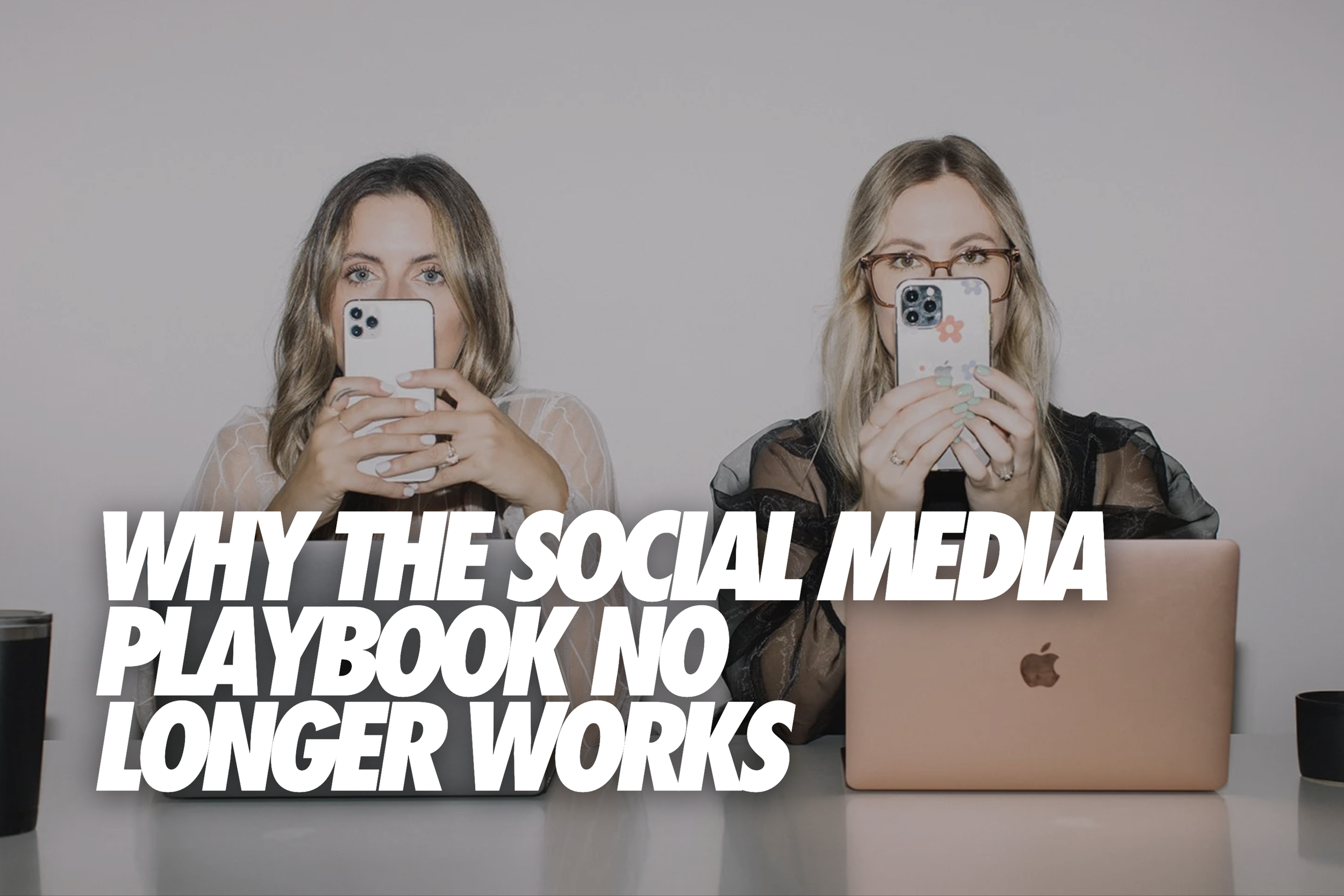
Your best friend sees a completely different Instagram than you do. Same app, same moment, entirely different reality. That is not a glitch. That is the architecture now.

The tactics that worked on social media five years ago: post consistently, grow your following, ride trending formats, count your reach. They have not disappeared. They have just stopped being enough.

Almond Breeze launched an entire campaign in 2026 built around rejecting AI. Nuuly grew 53% by throwing matcha meetups instead of running ads. And Girlboss rebuilt its whole brand on a newsletter after years of chasing social reach.

The playbook did not fail overnight. But it is failing. Here is why.
1. ALGORITHMS STOPPED DISTRIBUTING CONTENT, THEY ARE BUILDING REALITIES
A brand post used to reach an audience. Now it reaches a fragment of one. Every major platform has moved from showing content to followers, to deciding whether your content deserves to exist in someone's reality at all.

Instagram confirmed in early 2025 that the top signal for reaching non-followers on Reels is sends per reach: how often someone DMs the video to a friend. Not views. Not likes. Whether the content meant enough to pass on.

A brand with 10,000 followers and deeply specific content can now reach further than a brand with 500,000 posting broadly. The algorithm is not rewarding size. It is rewarding resonance.
Try this;
Stop measuring reach as your primary metric. Start tracking sends, saves, and return visits. Those are the signals the algorithm is actually reading.Narrow your content focus. A brand that speaks to everyone reaches no one in a fragmented feed. A brand that speaks precisely to one type of person gets passed around.Study the feeds of three people in your target audience this week. What they see and engage with is the environment your content is entering.
example;
e.l.f. Cosmetics built one of the most-shared beauty accounts on TikTok by posting for one very specific person: Gen Z, budget-conscious, fluent in internet culture. Every format, sound, and caption is built around that reader. For two consecutive years it has been among the most shared beauty brands on the platform, earned entirely through relevance, not production budget.THE TAKEAWAY;
The algorithm is not a distribution tool anymore. It is a relevance filter. Brands that understand the difference are building for the right thing.2. TRUST HAS BECOME THE SCARCEST CURRENCY ONLINE
AI-generated content now makes up over 51% of new English-language articles online. 83% of consumers can already spot AI video. Content perceived as AI-generated suffers engagement penalties of 20 to 35% compared to human-created alternatives.

Audiences are not just indifferent to synthetic content. They are actively recalibrating their trust based on it. Every brand publishing generic, AI-assisted content without a visible human hand is spending down a trust balance it may not know it has.

Authenticity has moved from a brand value to a competitive advantage. In a feed saturated with artificial signals, content that reads as genuinely human stands out not just creatively, but algorithmically.
Try this;
Before publishing, ask: does this content have a point of view that could only come from our brand? If not, it will read as filler and perform like it.Show proof. Specific details, real observations, and named references build credibility faster than any brand claim.If AI is part of your process, make the human layer visible. An opinion, a behind-the-scenes, a specific context. That is what earns trust now.
example;
Almond Breeze launched "The Pitch" with the Jonas Brothers in January 2026, titled explicitly "No AI Needed." The ad shows the brothers rejecting AI-generated campaign concepts one by one before choosing a real, straightforward endorsement. The process itself became the proof point. When audiences can spot the system, showing them you opted out of it is a creative decision, not a disclaimer.THE TAKEAWAY;
In the AI era, being visibly human is a brand strategy. The brands that invest in that signal now are building a moat.3. BRANDS ARE MOVING FROM BROADCASTING TO BELONGING
The broadcast model of social media, one brand publishing to a passive audience, is losing ground. The brands generating the deepest loyalty right now are not the ones with the largest reach. They are the ones their audience feels part of.

Public feeds are giving way to private communities. Discord servers, newsletters, WhatsApp groups, membership clubs: this is where the most engaged audiences now live. The only way in is to build something worth belonging to.

A brand with 500 deeply engaged community members is building something more durable than a brand with 50,000 passive followers.
try this;
Identify the most engaged 5% of your audience and ask what they would join, not just follow. That answer is your community brief.Move one conversation from your public feed into an owned space this month: a newsletter, a group, a private channel. Start building the direct line.Measure community depth, not just size. Comments that start conversations, messages from real customers, repeat buyers. Those are the signals worth tracking.
example;
Nuuly, a clothing rental service, began hosting hyperlocal events: book swaps, matcha meetups, and bouquet bars in the suburban cities where its app was growing fastest. The strategy was simple: make people feel like they are friends with the brand, not just subscribers to it. The feed builds awareness. The community is what converts it into loyalty.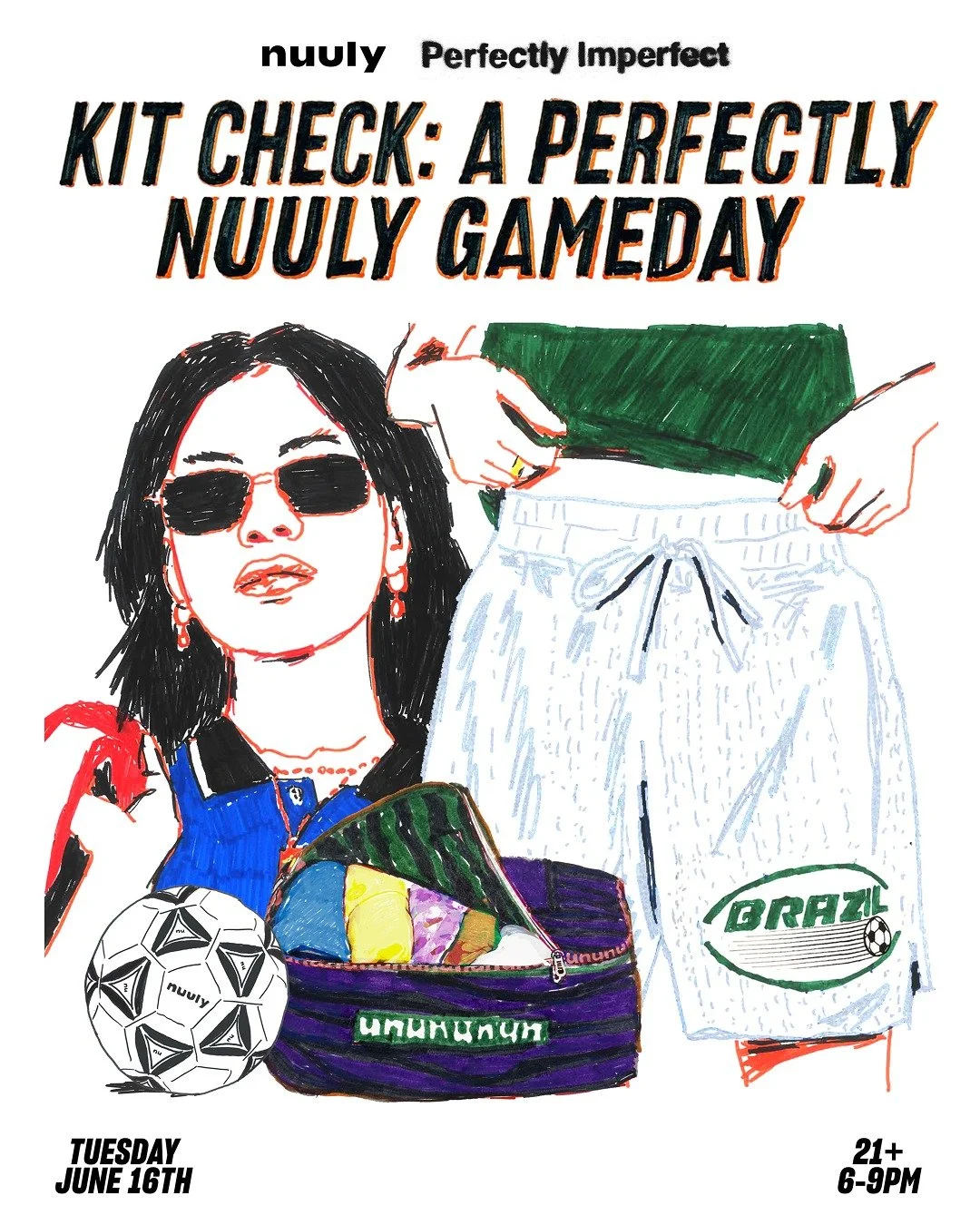
THE TAKEAWAY;
The next era of social media marketing is not about reaching more people. It is about meaning more to fewer of them.
BONUS: ORGANIC REACH IS NO LONGER FREE
The era of consistent, predictable organic reach ended quietly. Every major platform now requires either significant paid investment or extraordinary content specificity to distribute beyond your existing audience.

This is not a temporary algorithm glitch. It is the business model. Platforms monetise reach, and organic visibility is the diminishing baseline they leave on the table to keep brands creating.

Organic content in 2026 is for depth, not width. It builds trust, feeds the algorithm signals that make paid distribution more efficient, and creates the owned assets that compound over time.
try this;
Define what organic content is actually meant to do for your brand: build trust, generate saves, drive newsletter signups. Optimise for that outcome, not reach.Use your best-performing organic posts as the foundation for paid distribution. The algorithm has already told you what resonates. Amplify it.Invest in one owned channel alongside your social presence. Email, community, or long-form content. That is the asset that survives every platform change.
example;
Girlboss has rebuilt its brand around its newsletter after years of platform dependency. In 2026 it is cited as one of the breakout owned-audience examples in the newsletter economy, using email as the connective tissue between community, events, and partnerships. No algorithm decides who sees it. Every subscriber opted in directly. That is the difference between an audience you own and one you borrow.
THE TAKEAWAY;
Organic reach was never a right. The brands that treated it like one are the most exposed now. The ones building owned audiences are not.
The playbook is not broken because the platforms changed. It is broken because the people using them did.

Audiences got better at spotting formula, ignoring generic content, and choosing where to give their attention. The brands adapting to that are not replacing the old playbook with a new one. They are replacing it with something that actually responds to the people on the other side.

That is the shift. And we are here to help you build for it.